In 2026, the definition of a "convenience store" has split into two distinct paths. On one side are traditional operators still relying heavily on fuel traffic, tobacco, and packaged snacks. On the other are adaptive operators transforming their locations into legitimate, food-forward destinations.
The gap between these two models is widening rapidly. As fuel volumes decline and traditional merchandise categories shrink, operators who treat foodservice as an afterthought, or refuse to implement it altogether, are actively being left behind.
The Margin Reality: Why Food is Non-Negotiable
The shift toward foodservice comes down to basic retail math. Fuel margins are famously volatile, and historic foot-traffic drivers like combustible cigarettes are experiencing double-digit declines. To survive, stores need a high-margin anchor to drive intentional inside trips.
According to recent State of the Industry data from the National Association of Convenience Stores (NACS), foodservice now accounts for nearly 28% of total in-store sales, but more importantly, it generates roughly 40% of all in-store gross margin dollars. The demand is massive: a 2026 market report from Mintel projects the U.S. C-store foodservice market will reach a staggering $78.1 billion this year. If you aren't capturing a piece of that pie, your competitors certainly are.
Stealing Share from Quick Service Restaurants (QSRs)
The most successful retailers aren't just competing with the gas station down the street; they are actively taking market share from traditional fast-food restaurants.
A recent consumer trend study cited by Intouch Insight found that an impressive 72% of consumers now view convenience stores as a viable alternative to quick-service restaurants. This represents a monumental shift in public perception. The historical stigma of "gas station food" is fading, replaced by a modern consumer expectation of fresh, high-quality, and craveable meals.
The Playbook for the Adaptive Operator
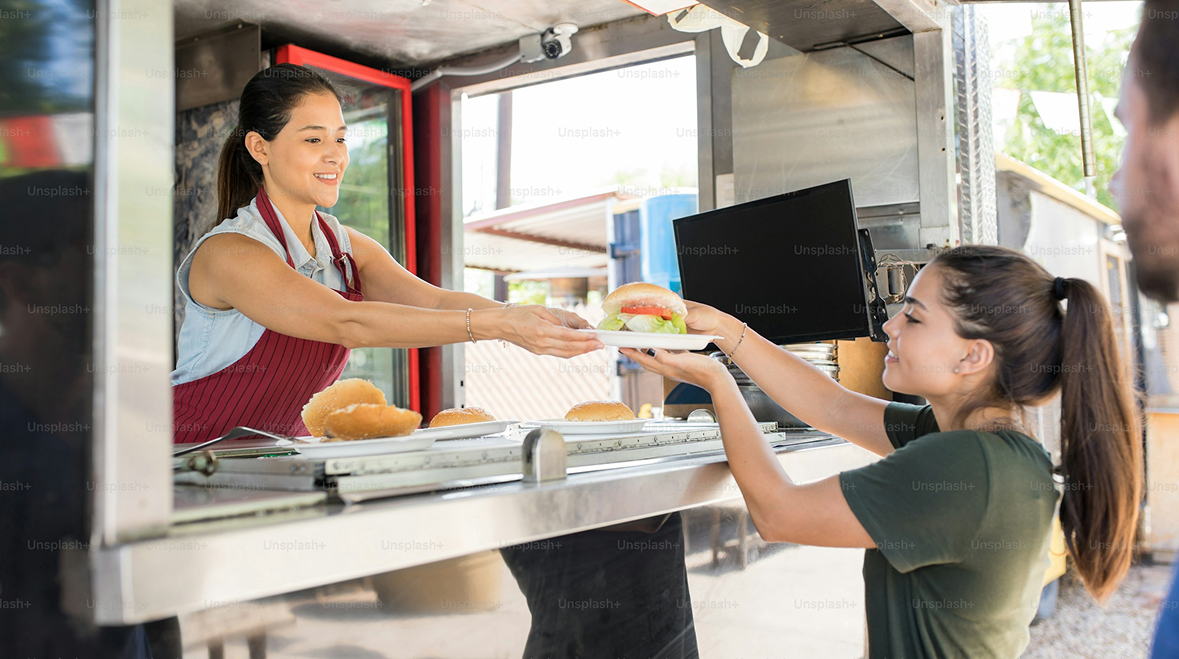
What does it mean to be an "adaptive" foodservice operator in 2026? It means moving far beyond the traditional heat-lamp and roller grill.
- Prioritize Made-to-Order and Customization: The modern consumer, particularly Gen Z and Millennials, values the ability to customize their meals. Research highlighted in Datassential’s 2026 C-Store Keynote notes that build-your-own formats resonate strongly with today's shoppers, while traditional staples like pre-packaged salads and standard hot dogs are seeing a decline in availability as operators shift focus to higher-quality, made-to-order items.
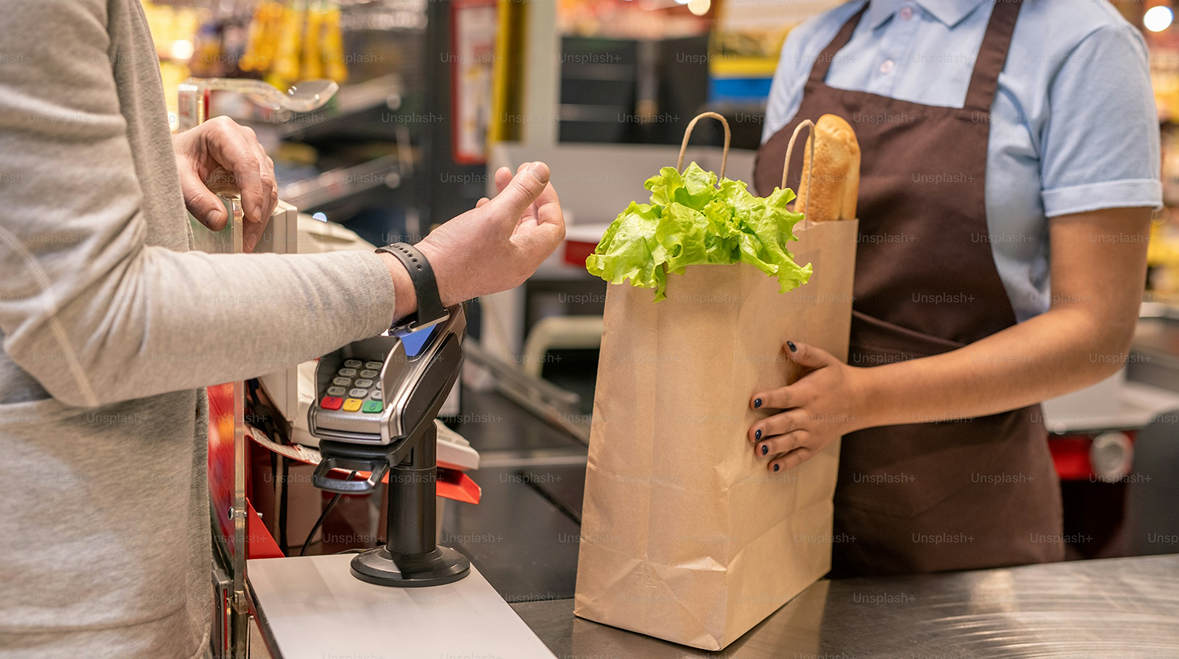
- Embrace Tech-Driven Ordering: Frictionless technology is no longer optional for a successful food program. Implementing self-service food kiosks and mobile "order-ahead" apps reduces wait times and ensures order accuracy. More importantly, it frees up your limited labor force to focus entirely on food preparation and quality control rather than manning a cash register.
- Lean into Bundled Dayparts: While morning coffee and breakfast remain c-store powerhouses, adaptive operators are creating bundled meal deals (e.g., a fresh sandwich, a proprietary snack, and a dispensed beverage) to capture the lucrative lunch and evening snack crowds who are seeking value amid broader economic inflation.
The Bottom Line
The traditional convenience store model, relying almost entirely on fuel to drive impulse inside purchases, is fading. Foodservice is no longer just a sub-category within the store; it is becoming the store's primary identity. For operators looking to thrive in the back half of the decade, the message is clear: adapt your menu, elevate your quality, or risk becoming completely irrelevant to the modern shopper.
Share:
Newsletter
Stay Informed with
Top Headlines
Category


Insights and trends shaping U.S. convenience retail.
Content is provided for informational purposes only and does not constitute legal, financial, or professional advice.