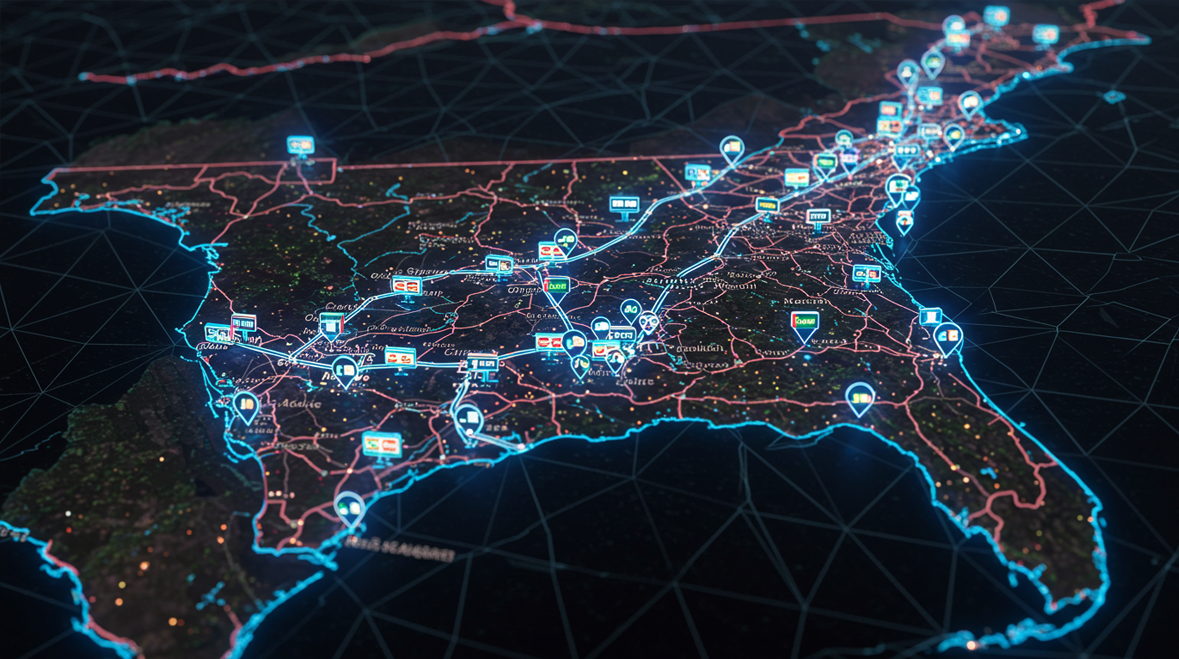
The convenience store industry has always been dynamic, but in recent years, it has been experiencing a steady and impactful wave of mergers and acquisitions that is fundamentally reshaping the competitive landscape. While major corporations consolidate their power and expand their reach, small and independent operators are left to navigate an industry that feels increasingly tilted toward big players. For store owners running one to five locations, these changes can feel overwhelming—but understanding how industry consolidation is unfolding is critical. It’s not only about staying competitive but also about spotting opportunities, finding leverage, and making strategic decisions in the face of disruption.
Industry consolidation isn’t just a passing phase—it’s a deliberate strategy that the largest c-store chains are pursuing with serious momentum. Alimentation Couche-Tard, the parent company of Circle K, has continued its aggressive expansion. In 2024, the company made headlines with its acquisition of GetGo, a 270-store chain previously owned by Giant Eagle. This move significantly expanded Circle K’s footprint across Pennsylvania and further into the Midwest. The acquisition came on the heels of Couche-Tard’s earlier attempt to purchase Japan’s Seven & i Holdings, the owner of 7-Eleven. Though that deal ultimately didn’t close, it sent a strong message to the industry: the largest convenience store brands are hungry for growth, and they’re aiming to gain it through acquisition rather than organic development.

Other big names are following suit. Casey’s General Stores made one of the year’s largest moves by acquiring Fikes Wholesale Inc., the parent company of CEFCO, for over a billion dollars in cash. That deal added nearly 200 stores to Casey’s network and allowed it to deepen its presence in Texas while also reaching new markets in Florida, Alabama, and Mississippi. It was a calculated move to broaden their geographic footprint and achieve further economies of scale.
Meanwhile, BP made a significant entrance into the U.S. convenience retailing space by acquiring TravelCenters of America. The $1.3 billion acquisition brought the TA, Petro Stopping Centers, and TA Express brands under BP’s control, further signaling that traditional energy companies see retail as a key component of their long-term strategy. Similarly, Shell acquired Brewer Oil’s 45 convenience stores earlier in 2024, continuing its push into retail through strategic, market-focused acquisitions. These aren’t isolated incidents. They’re part of a larger, sustained pattern of consolidation that’s redrawing the c-store map across the country.
Even regional players are joining in. Stewart’s Shops, a New York-based chain known for its loyal customer base and vertically integrated model, acquired Jolley Associates in late 2024. That deal brought 45 additional stores into Stewart’s portfolio and represented one of the more significant regional acquisitions of the year. However, it also prompted some regulatory pushback—Stewart’s ultimately agreed to divest five stores to comply with Federal Trade Commission concerns about local competition. This is a reminder that even mid-sized acquisitions can have ripple effects, especially in markets with limited competition.
All of this adds up to one thing: the big are getting bigger. But that doesn’t mean smaller operators are out of the game. In fact, independent convenience store owners still have plenty of advantages—if they understand the landscape and are willing to evolve.
One of the most immediate challenges smaller operators face in this new environment is competition from newly acquired and rebranded chain stores. These locations often come with fresh signage, updated technology, optimized supply chains, and corporate-level marketing campaigns. They benefit from bulk purchasing power, allowing them to undercut pricing on fuel, snacks, beverages, and even prepared food. The margin pressure this creates for independent stores is real—and it’s not going away.
But here’s the thing: size isn’t everything. The same scale that gives national chains pricing advantages can also become a limitation when it comes to local relevance. Independent stores, by contrast, can be nimble. They understand their communities, their customers, and their neighborhoods in a way that national brands simply can’t replicate. That sense of familiarity and authenticity can go a long way in building loyalty. When store owners know their regulars by name, stock products that reflect local tastes, and participate in community events or youth sports sponsorships, they’re doing more than running a business—they’re becoming part of people’s daily lives. And no algorithm or purchasing department in a distant headquarters can replace that.
Independent store owners who want to stay competitive need to lean into this advantage. Community connections matter. So does the store experience. But in addition to that personal touch, there are other ways to strengthen your footing in a rapidly consolidating market.
Diversification has become essential. With tobacco sales facing tighter regulations and fuel consumption habits shifting due to electric vehicle adoption and fuel efficiency, depending too heavily on traditional revenue drivers is risky. That’s why many small operators are exploring new categories like fresh food, local or regional products, and even THC-infused beverages and snacks where regulations allow. These aren’t fringe trends—they’re areas where customer interest is growing fast, especially among younger demographics. Expanding your store’s product mix isn’t just about keeping up—it’s about meeting your customers where they are today and where they’re going tomorrow.
Operational efficiency also plays a critical role. While big chains have teams of analysts working to streamline supply chains and reduce overhead, independent operators can still achieve efficiency by taking a closer look at expenses, negotiating better vendor contracts, and using smarter inventory practices. It doesn’t take a major investment to start seeing results—just discipline and a willingness to track the numbers.
Technology is another area where independent stores can close the gap with larger competitors. A modern point-of-sale system doesn’t just make transactions faster—it can also track inventory, monitor trends, and support customer loyalty programs. Adding mobile payment options, curbside pickup, or even a basic app can create meaningful convenience for customers who are increasingly looking for digital solutions. While it’s understandable that some store owners hesitate to invest in tech due to costs, even modest upgrades can offer significant returns. And in today’s competitive environment, not embracing technology isn’t just a missed opportunity—it can be a real disadvantage.
There’s another important factor to consider: industry demographics are changing. Many family-owned c-stores are facing generational transitions, and in a growing number of cases, the next generation isn’t interested in taking over. That’s part of what’s fueling the M&A boom—larger companies are eager to acquire these stores, often because they’re well-located and profitable but simply in need of new leadership. For some owners, this creates an opportunity to exit on favorable terms. For others, it’s a sign that succession planning and long-term strategy are more important than ever.
Interestingly, while the high-profile, billion-dollar acquisitions grab the headlines, much of the real M&A activity in the c-store industry today is happening on a smaller scale. Many of the deals involve groups of 10, 20, or 40 stores being folded into regional brands or investment portfolios. These bolt-on acquisitions are quieter, but they’re more frequent—and they represent a steady, methodical effort by larger players to fill in geographic gaps and grow incrementally. The momentum is steady, and the pressure on smaller operators is growing, but that doesn’t mean independents are being pushed out. In fact, many of them are thriving by focusing on what they do best.
In this environment, the independent convenience store is far from obsolete. But it is under pressure. Staying relevant means being adaptable, strategic, and willing to embrace change. That might mean bringing in a new product line, upgrading a checkout system, training staff to offer a better customer experience, or simply stepping back and evaluating what makes your store unique. The c-store business has always been built on hustle, resilience, and knowing your customers. Those fundamentals haven’t changed—but the tools available to succeed have expanded, and it’s up to each operator to decide how to use them.
Looking ahead, consolidation will likely continue—especially as private equity and international brands continue to eye the U.S. market. But the future of the industry doesn’t belong exclusively to big corporations. There’s still room for independent stores that know their markets, serve their communities, and evolve with the times. In fact, in a world where convenience is increasingly commoditized, it’s the stores with personality, purpose, and people-first values that have the power to stand out.
Share:
Newsletter
Stay Informed with
Top Headlines
Category



Insights and trends shaping U.S. convenience retail.
Content is provided for informational purposes only and does not constitute legal, financial, or professional advice.