Trends, Challenges, and Opportunities
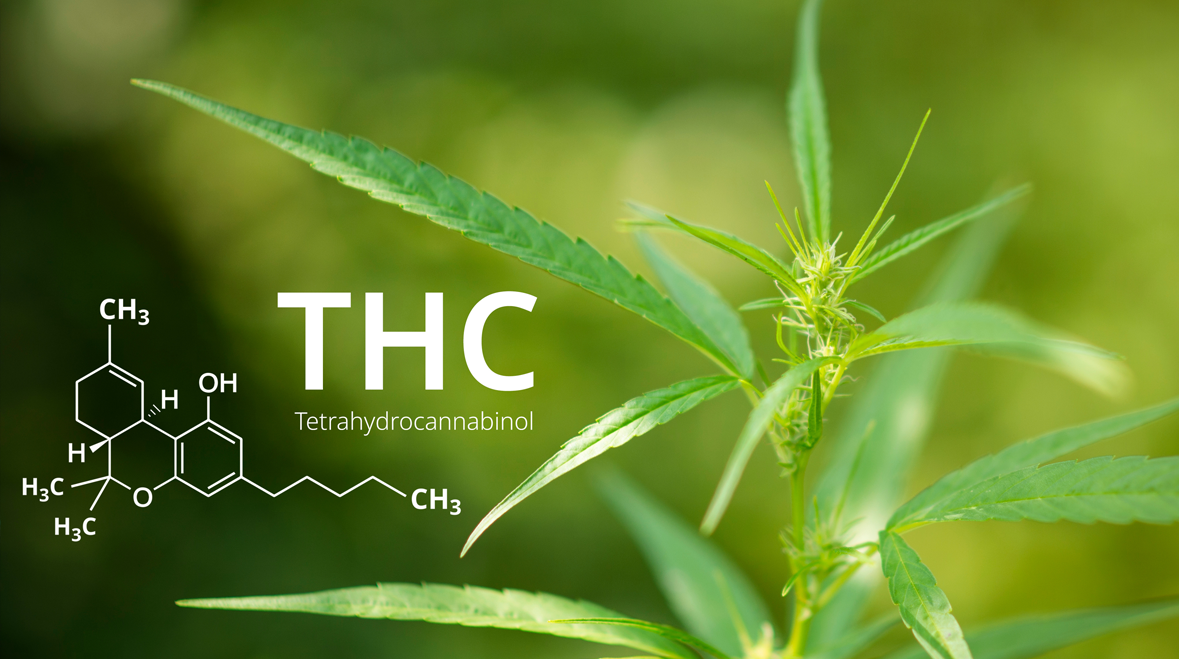
For years, the idea of selling THC products in convenience stores would have been unthinkable. Cannabis was strictly illegal, and any mention of THC—the psychoactive component of marijuana—was tied to underground markets and legal battles. But times have changed. Across the country, laws around cannabis have been shifting, public perception has softened, and the demand for THC-infused products has skyrocketed. Now, in 2025, convenience stores are finding themselves at a crossroads. There’s a growing opportunity to tap into this booming market, but with it comes a web of legal considerations, potential risks, and a rapidly evolving landscape that requires careful navigation. For c-store owners in the Southeast, where THC laws remain stricter than in other parts of the country, understanding the nuances of this market is the first step to determining whether—and how—THC products can fit into their business model.
In the past decade, the legalization of cannabis in states like Colorado, California, and Illinois set off a domino effect across the U.S. More states followed suit, either fully legalizing recreational use or expanding medical cannabis programs. However, federal law never budged. Marijuana remains a Schedule I controlled substance, making it illegal at the national level. The result has been a patchwork of state laws that vary widely, creating confusion for both consumers and business owners. While dispensaries became the go-to source for legal THC products, convenience stores and other traditional retailers were left out of the equation. That all changed with the 2018 Farm Bill, which inadvertently opened the door for a new category of products: hemp-derived THC.
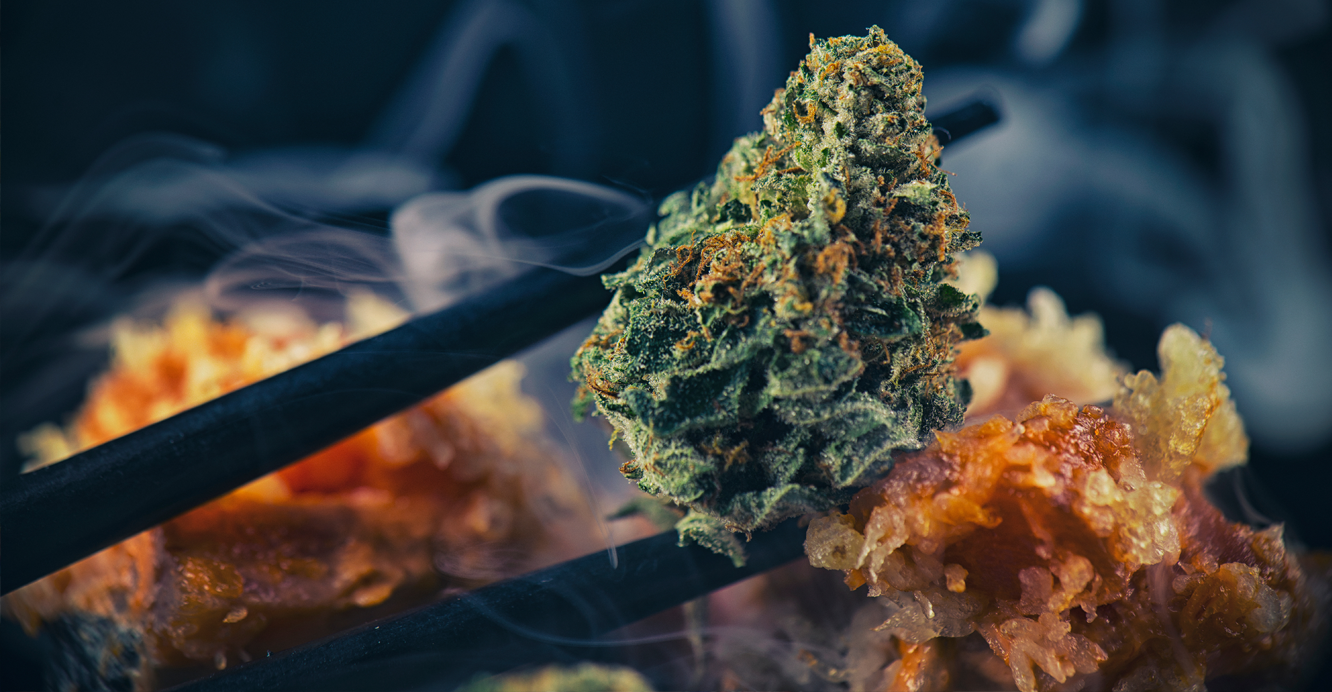
Unlike traditional marijuana, hemp is legal at the federal level, as long as it contains no more than 0.3% THC. This legal loophole has led to a surge in products that extract and modify THC from hemp, creating substances like Delta-8 and Delta-10 THC that can produce similar psychoactive effects to traditional cannabis. These products have exploded in popularity, appearing in gas stations, vape shops, and convenience stores in states where marijuana remains illegal. For independent c-store owners, this presents a unique opportunity—offering THC products legally, without needing a cannabis license or dealing with dispensary-style regulations. But it also comes with challenges. While technically legal under federal law, hemp-derived THC is still a gray area in many states. Some, like Colorado, have already banned it outright due to concerns over safety and lack of regulation, while others are tightening restrictions on packaging and sales.
The Southeast, in particular, has been slower to embrace cannabis reform, but that doesn’t mean THC products aren’t in demand. In fact, they’re more popular than ever. With recreational cannabis still illegal in most of the region, consumers are turning to alternatives like Delta-8 THC, THC-infused seltzers, and gummies that promise a similar experience without breaking the law. Many c-store owners are already seeing an increase in customer demand for these products, and some are beginning to stock them, despite the regulatory uncertainty. The question for those on the fence is whether the potential profit is worth the risk.
For those willing to dive into the THC market, the financial rewards can be significant. Industry analysts predict that hemp-derived cannabis beverages alone could reach nearly $750 million in sales by 2029. Unlike traditional tobacco or alcohol, THC-infused drinks offer a fresh category with minimal competition—especially in areas where dispensaries are scarce or non-existent. Customers looking for an alternative to beer or hard seltzers are increasingly turning to cannabis drinks as a way to relax without the hangover. Even in states where THC restrictions are tight, CBD-infused beverages have already paved the way, showing that consumers are open to the idea of cannabis-related products being sold in mainstream retail.
But while the demand is there, retailers still need to be careful about how they enter this space. The biggest challenge is ensuring compliance with both federal and state regulations, which are constantly shifting. The last thing a small c-store owner wants is to invest in a product line only to find out a month later that new state laws have made it illegal. Staying informed about local legislation is key, as is working with reputable suppliers who can provide proper documentation, lab testing, and clear labeling. There’s also the issue of age verification. While most states require customers to be 21 to purchase THC products, enforcement can be inconsistent, and retailers need to make sure their staff is well-trained to avoid fines or losing their ability to sell other age-restricted products like tobacco and alcohol.
Beyond compliance, the key to making THC products a successful part of a c-store business is smart marketing and product placement. Simply throwing a few THC-infused beverages into the cooler or stuffing a few gummies on the shelf next to the energy drinks won’t be enough. Customers need education and guidance, especially in areas where these products are still new and unfamiliar. That means clear signage, knowledgeable staff, and a focus on transparency. Many successful retailers who have introduced THC products have done so with small in-store promotions, offering sample days (where legal) or partnering with suppliers to provide literature on the effects, dosage, and responsible consumption. Another effective strategy is bundling THC products with other complementary items—offering discounts when customers purchase a THC beverage along with a snack or convenience food.
Looking ahead, the future of THC in convenience stores is still uncertain, but the trajectory is clear. With increasing public acceptance and the potential for federal cannabis reform, it’s likely that more states—including some in the Southeast—will begin to open up access to regulated THC products. For c-store owners, that means staying ahead of the curve, keeping an eye on legislation, and being ready to pivot when opportunities arise. Whether that means stocking up on hemp-derived THC now or preparing for a time when traditional cannabis-infused products become more widely available, the key is being informed and adaptable. The stores that can navigate the complexities of this market early will be the ones best positioned to reap the rewards as the industry continues to evolve.
Share:
Newsletter
Stay Informed with
Top Headlines
Category



Insights and trends shaping U.S. convenience retail.
Content is provided for informational purposes only and does not constitute legal, financial, or professional advice.