

Running a convenience store isn’t just about keeping the shelves stocked and the doors open—it’s about making sure the numbers add up in a way that leads to long-term success. Every store owner knows that cash flow, profit margins, and smart budgeting can mean the difference between thriving and barely staying afloat. But financial management isn’t as simple as tallying up what’s in the register at the end of the night. It requires strategy, adaptability, and a firm understanding of the economic forces that shape the industry. With more than 148,000 convenience stores in the U.S. generating over $860 billion in sales annually, the industry remains highly lucrative, yet also intensely competitive. The difference between a profitable store and one that struggles often comes down to how well an owner understands and manages their financials. More than 60% of all convenience store revenue comes from in-store sales, with the remainder coming from fuel, but profit margins are much slimmer than they might appear. If a store generates $1 million in revenue but operates with only a 3% net profit margin, that’s just $30,000 in actual profit—a number that can easily be wiped out by unexpected expenses, poor financial planning, or changes in the economy.
Cash flow remains one of the biggest challenges, even for stores with strong sales. It’s easy for a business to look profitable on paper while still struggling to pay suppliers, utilities, and payroll because of poor cash flow timing. The reality is that convenience stores are cash-heavy businesses, with large amounts of money coming in and going out daily. However, without a proper system in place to manage those flows, a store can quickly find itself in trouble. A well-managed convenience store doesn’t just react to what’s happening in the moment—it anticipates fluctuations. Seasonal shifts, for example, are critical to account for. In many markets, fuel sales dip during certain months, while snack and beverage sales tend to spike in the summer. A store that isn’t prepared for these natural ebbs and flows may struggle to cover expenses during slow months, leading to short-term borrowing or missed payments. Nearly 29% of small businesses in the U.S. have less than a month’s worth of cash reserves, meaning a single unexpected dip in sales or a large unplanned expense can send them scrambling for financial relief. The smartest store owners track their numbers closely, ensuring they have enough liquidity to manage the lean periods without taking on costly short-term debt.
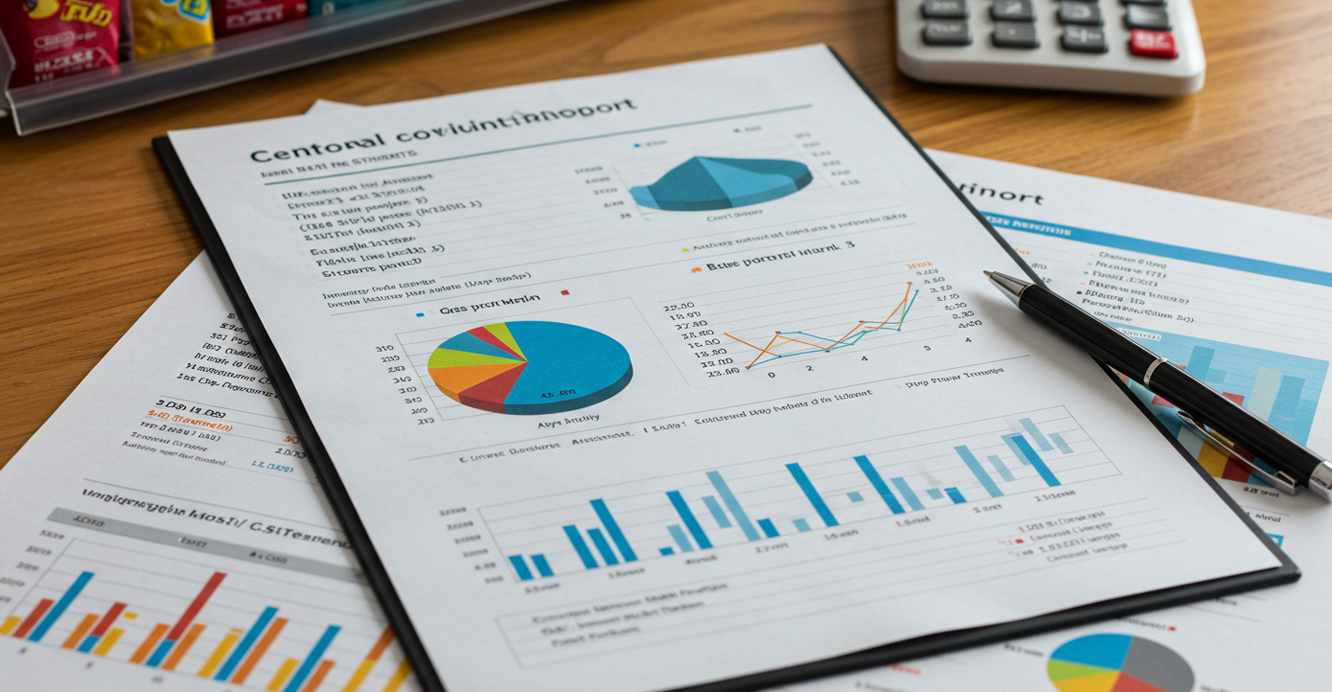
Technology has changed the way c-store owners handle financials, and those who aren’t leveraging modern tools are often leaving money on the table. Years ago, financial tracking was largely a manual process, requiring hours of bookkeeping and best guesses about product performance. Now, modern POS systems do much of the heavy lifting, providing real-time sales data, inventory tracking, and even customer behavior analytics. These systems can reveal which products are high performers and which ones are just taking up valuable shelf space. By using this data to optimize inventory, store owners can ensure that every square foot of their store is working to its full potential. Many POS systems also integrate with accounting software, making tax preparation and financial reporting easier. Despite these advancements, some store owners still rely on outdated systems, unaware that a simple software upgrade could save them thousands in lost revenue. Businesses that implement real-time tracking technology typically see an average 20% reduction in inventory waste, which translates to substantial savings over time. By automating key aspects of financial tracking, store owners free up more time to focus on running their business rather than constantly chasing down numbers.
Profit margins in the convenience store industry are notoriously tight, leaving little room for error. In the Southeastern U.S., the average gross profit margin for merchandise hovers around 23%, slightly below the national average of 27%. That difference may seem small, but in a business with such slim margins, every percentage point matters. If a store generates $1 million in annual sales, just a 1% increase in profit margin translates to an additional $10,000 in profit—money that can be reinvested in the business, saved for future expansion, or used to reduce financial stress. Finding ways to increase profitability often means looking beyond simple cost-cutting measures. One of the most effective strategies is shifting toward higher-margin items. While packaged beverages typically yield around a 40% profit margin, fresh food offerings can push that number above 50%. Major c-store chains have invested heavily in fresh and prepared food sales, and independent operators who follow suit often see strong returns. Even small pricing adjustments can have a major impact. Raising the price of a popular item by just 10 cents may seem insignificant, but if that product sells thousands of units per year, it adds up to meaningful additional revenue without increasing costs.
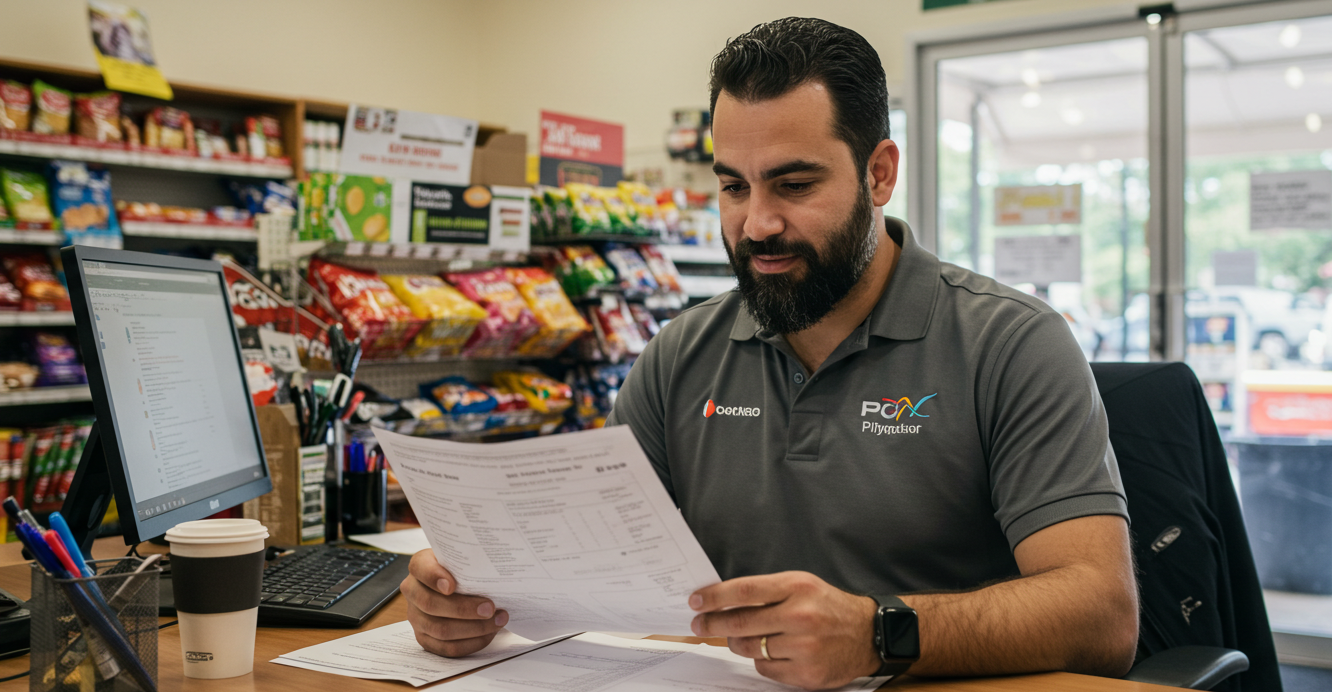
Debt can either be a useful tool or a dangerous trap, and knowing the difference is crucial. Many store owners take on debt to expand, renovate, or stock up on high-demand inventory, but too much of the wrong kind of debt can strangle a business. Some debt is strategic—an SBA loan with a low interest rate used for expansion can lead to future profitability—but high-interest credit card debt or payday loans can quickly become a financial burden. Right now, about 17% of small and midsize businesses in the U.S. carry debt in the range of $100,000 to $250,000, while nearly 30% are completely debt-free. The key difference between those who thrive and those who struggle isn’t just the amount of debt they have—it’s how they manage it. Many store owners fall into the trap of relying on business credit cards, which often carry interest rates of 15% to 25%. A $50,000 balance at a 20% interest rate results in an additional $10,000 per year in interest payments alone—money that could be put to far better use elsewhere. Instead, store owners should explore lower-cost borrowing options like SBA loans, vendor financing, or business lines of credit with better terms.
One of the biggest financial drains on c-stores isn’t always obvious—it’s the small inefficiencies that add up over time. Shrinkage, which includes theft, spoilage, and administrative errors, quietly erodes profits. According to NACS, the average convenience store loses about 1.5% of total revenue to shrinkage. For a store making $1 million in revenue, that’s $15,000 lost every year. While some level of shrinkage is unavoidable, tightening up inventory tracking, training employees on loss prevention, and investing in security measures can dramatically reduce these losses. Another overlooked expense is credit card processing fees, which many owners assume are just part of doing business. However, these fees can often be negotiated with providers or offset by encouraging cash transactions. Some stores offer small cash discounts to reduce processing costs, a move that can lead to thousands in annual savings. Even renegotiating vendor contracts can have a major impact. If a supplier raises prices by 5%, store owners should push back and explore alternative vendors or consider bulk purchasing discounts.
Ultimately, financial success in the convenience store industry isn’t about one big move—it’s about consistency. It’s about tracking the numbers daily, understanding where the money is going, and making small but impactful adjustments. The most successful c-store owners don’t leave their financials to chance; they take an active role in reviewing sales reports, analyzing costs, and identifying areas for improvement. Those who take the time to truly understand their financials, leverage modern tools, and make strategic decisions will always have an edge over those who run their stores on gut instinct alone. For store owners looking to go deeper, resources like the NACS State of the Industry Report, the SBA Small Business Finance Guide, and books like Profit First by Mike Michalowicz offer valuable insights into turning financial management into a powerful advantage. Running a profitable convenience store doesn’t have to feel like a gamble. With the right financial mindset, strategy, and attention to detail, success isn’t just possible—it’s within reach.
Share:
Newsletter
Stay Informed with
Top Headlines
Category








Insights and trends shaping U.S. convenience retail.
Content is provided for informational purposes only and does not constitute legal, financial, or professional advice.