Why the future of convenience has less to do with fuel and more to do with community, experience, and strategy.
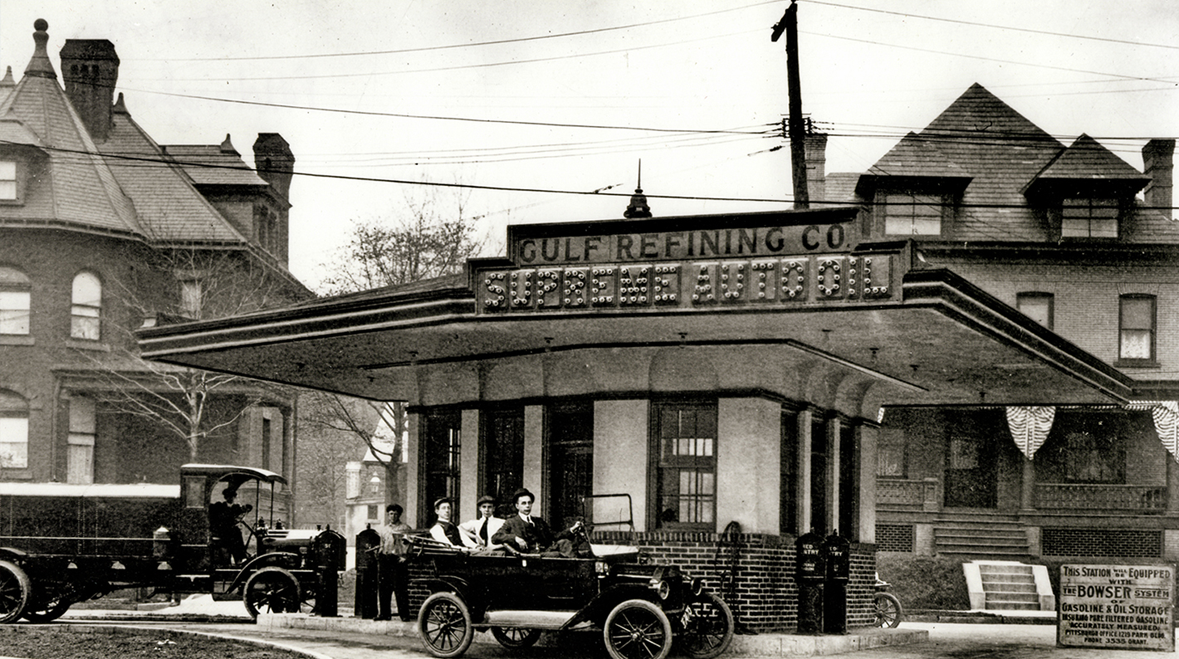
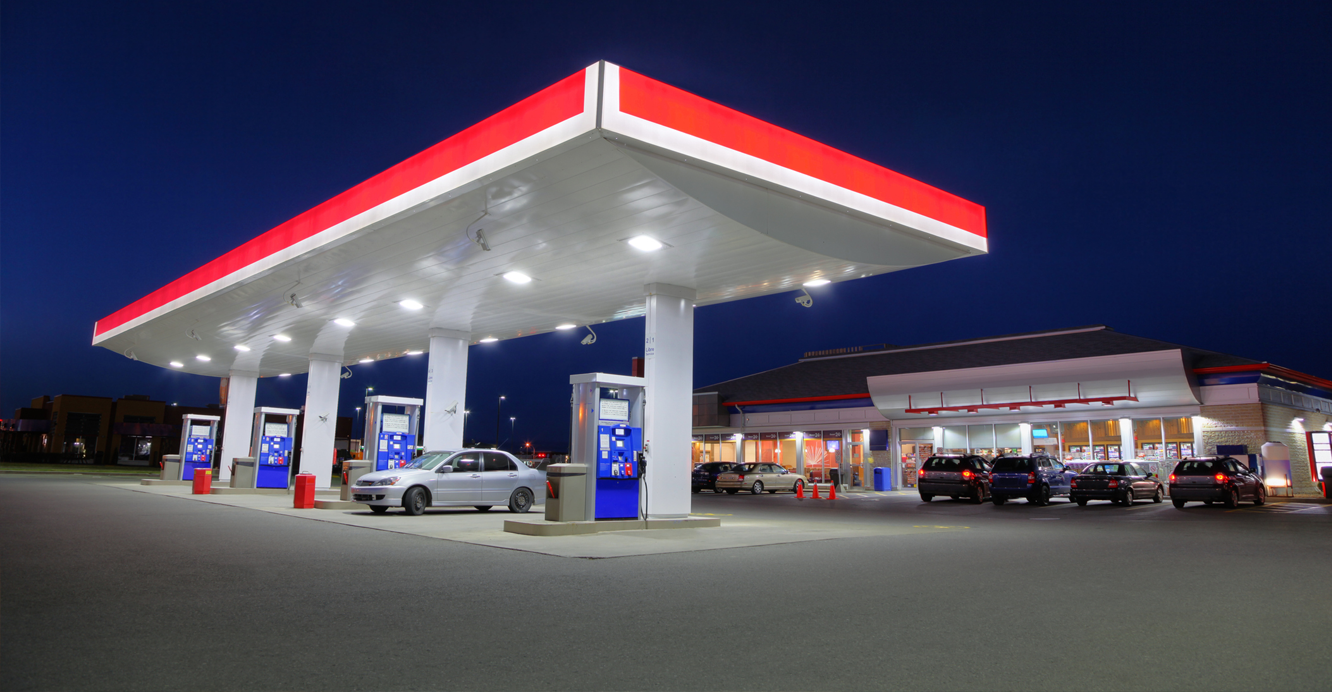
Since 1913, convenience stores have leaned on fuel as the central magnet for business. It made Gasoline brought people to the property. The rest—coffee, snacks, sodas, smokes—has been icing on the cake. In the Southeast, that rhythm was especially reliable. Commuters fueling up before sunrise, families stopping off I‑75 on the way to Florida beaches, workers grabbing a cold drink after a hot shift. But slowly and steadily these rhythms have been shifting. Not disappearing, but softening, stretching, and changing form. The change is signaling something loud and clear: if you’re still building your store around fuel alone, you’re building on sand.

Resilience in 2025 isn’t about pushing back against that change, it’s about realigning your business with the reality of the customer in how they live, how they move, and what brings them inside your store. The decline of fuel dependence isn’t just about electric vehicles, though EV adoption is certainly a factor, it’s also about hybrid vehicles. More efficient engines, ride-sharing, urbanization, remote work, and the changing geography of travel. People aren’t driving in the same way or in the same amount. This means that means the very purpose of a convenience store is evolving.
So what replaces fuel as your traffic engine? The short answer is experience. Not just flashy signage or upgraded coffee machines, but a complete rethinking of how you attract, serve, and retain customers.
Let’s start with foodservice. One of the most powerful and immediate ways to replace lost revenue from fuel decline is by creating crave-worthy, repeatable food experiences. That doesn’t mean becoming a full QSR. It means making smart, regional decisions that reflect what your community actually wants. One operator leaned into biscuits and gravy, building a morning program that now outsells packaged snacks two-to-one during peak hours.
When you remove fuel from the center of your business model, you make room for other categories to grow. Beverage sales, for instance, are an enormous opportunity, especially when they’re merchandised to drive exploration. Functional drinks, natural energy boosters, locally sourced waters, premium cold brews, kombucha, sports hydration… these aren’t just trends, they’re signals that customers are looking for a broader experience. Restructuring an energy drink door entirely with more spacing between SKUs, cleaner labels, and curated signage around wellness and ingredients increased sales of those items by 28% in six weeks. The product didn’t change, the presentation did, and the customer responded.
Another part of this evolution is rethinking time. Fuel stops are short, but what if your customers stayed longer because they wanted to? That’s what EV charging is already doing in some markets. Even without chargers you can create reasons to linger. Adding seating, inside or outside, signals that your store isn’t just a transaction hub. Offering strong Wi-Fi turns you into a work break. Placing bakery items next to coffee stations creates an intuitive café feel. Creating touchpoints like warm lighting, seasonal displays, and thoughtful endcap promotions foster a slower pace. Slower doesn’t mean less efficient. It means more engaged, more profitable, and more valued..
While customer-facing adjustments matter, back-of-house changes are just as critical. As fuel’s contribution to your net profit shrinks, the pressure grows to squeeze more margin out of every square foot of retail space. That starts with knowing what’s working and what’s not. You can’t fix what you can’t measure. Review your category data regularly. Do you know which SKUs are driving repeat visits? Which ones are dead weight? Are your top 20% of items getting prime shelf space? When you trim fuel out of your mindset, it sharpens your focus elsewhere. Margin becomes the metric and movement becomes the measure, which drives better decisions.
Fuel doesn’t build loyalty, humans do. Stores that are thriving post-fuel are the ones investing in better hiring, stronger onboarding, and consistent service training. Because when you can’t rely on a gallon counter to predict traffic, you rely on your team to make every interaction count. An engaged staffer upsells coffee. A friendly face invites return visits. A consistent voice builds trust. None of that can be automated, it has to be cultivated.
We’re seeing more operators sponsor local events, install community boards, and feature small local brands on their shelves. This isn’t marketing fluff, it’s strategic engagement. One store partnered with a local kombucha company, a craft jerky brand, and a local muralist. The result? A store that feels part of the community. It’s emotional connection that turns occasional shoppers into loyalists. And in the absence of constant fuel traffic, loyalty is your best hedge.
Some operators are going even further. They’re taking the freed-up energy and capital that once went into fuel programs and putting it into digital engagement. That could be a loyalty app, a targeted SMS campaign, or even a simple social media presence that showcases daily specials, vendor spotlights, and staff stories. A small Mississippi c-store started filming one-minute daily walkthroughs of new product arrivals and posting them on Facebook. Their page grew from 300 to over 2,000 followers in six months, and foot traffic followed. You don’t need a marketing department, you just need focused intention.
And then, there’s pricing. You’re a specialty retailer, your space is curated, your service is personal, and your hours are better than most. Your pricing should reflect your value. Don’t race to the bottom. Price with confidence and back it up with freshness, cleanliness, and service. A $4 cold brew that tastes amazing and is served with a smile will outsell a $1.50 one that’s watered-down and sitting in the back cooler. Value perception is everything.
So let’s reframe the conversation. The decline in fuel is not a death sentence for convenience, or even the end of gasoline sales. It’s a freedom moment. A chance to stop treating your store like a gas station with snacks and start treating it like a small, independent, highly-profitable retail business with the power to serve its community however it chooses.
Your customers are still thirsty, still hungry, still tired, and looking for moments of ease in their day. What may be changing is why they come to you. If you meet them with quality, relevance, and human connection they’ll keep coming.
Fuel may have built your store but your people, your products, and your ability to adapt is what will build your future.
Share:
Newsletter
Stay Informed with
Top Headlines
Category


Insights and trends shaping U.S. convenience retail.
Content is provided for informational purposes only and does not constitute legal, financial, or professional advice.