Practical Digital Tactics That Build Repeat Traffic, No Tech Team Required
Technology in the retail space probably feels overwhelming and a race you didn’t sign up for. National c-store chains have full-stack apps with reward points, targeted offers, voice-enabled ordering, and mobile checkout. They’ve hired software teams, they’re rolling out AI and they have the budget, infrastructure, and brand reach. But here’s the thing, many independent convenience stores are outpacing them where it matters most: connection, loyalty, and relevance. And they’re doing it without a custom app, a massive IT department, or a marketing agency on retainer. Instead, they’re taking a more tailored approach to omnichannel by meeting customers where they are, in real life and on their phones, in ways that are immediate, affordable, and effective.
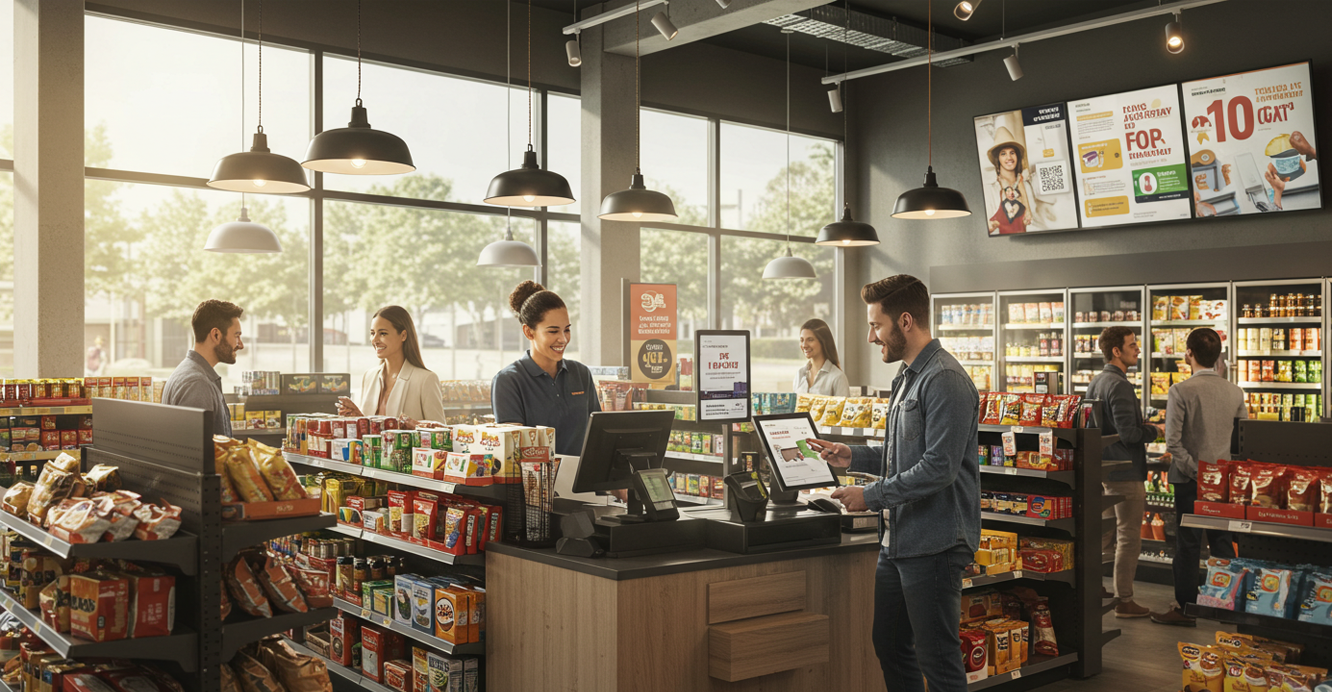
Omnichannel doesn’t have to mean “big tech.” For independent operators, it means using every available touchpoint—text, email, in-store displays, social media, mobile payment links—to build a loop of interaction that keeps customers engaged. It means making sure that when someone visits your store they’re nudged to come back, not just because of habit but because you gave them a reason. A digital coupon, a friendly reminder or a reward they didn’t expect but appreciated. These small moments, multiplied over time, create loyalty that’s just as powerful as any app’s point system.
A convenience store in central Georgia sends out weekly SMS offers for “Lunch Combo Fridays”. No app required. Customers opt in by texting a short code displayed by the register. Every Friday morning, those customers get a reminder and a personalized code. The result? Increased foot traffic between 11 a.m. and 2 p.m., consistent sales on slow weekdays, and a 22% rise in drink add-ons. All managed through a basic text marketing service that costs less than $50 per month. It’s simple, direct, and rooted in real behavior.
The best part of this approach is its flexibility. Customers respond when communication feels helpful, not intrusive. A store in Florida uses QR codes on cooler doors. Scan it, and you’re entered into a monthly drawing for a free energy drink bundle. Behind the scenes, that QR code links to a simple Google Form that collects email addresses and preferences. Now that store has a growing list of engaged contacts they can reach before holiday weekends, during product launches, or when a vendor drops a flash promo. Again, no app and no IT department. Just smart, real-time engagement.
Even store signage plays a role. Digital menu boards, once a “big store” luxury, are now affordable enough for small chains and independents to use. They allow real-time updates, animated promotions, and cross-selling opportunities between foodservice and beverages. A store might push a smoothie upgrade when someone orders a breakfast wrap. A quick-service kitchen might rotate limited-time combos with visual flair. And when paired with countertop callouts or front-door signage that matches the message, the consistency reinforces intent. Customers start to recognize the brand voice. That kind of clarity builds confidence, which builds loyalty.
Social media deserves its own mention. While it may seem crowded or unpredictable, it remains one of the fastest ways to stay top of mind, especially for younger shoppers. What works best isn’t generic posts about hours or national observances. It’s store-specific, visual, human-centered content. A photo of a new sandwich with steam rising. A video of the first customer to try a new energy drink. A quick snapshot of the team behind the counter. Real people, real place, real value. These things travel farther than you’d expect. One Alabama store’s TikTok post about their new coffee bar brought in over 4,000 views in two days. The comment section filled with locals tagging their friends, that’s omnichannel working in plain sight.
Then there’s loyalty. You don’t need a proprietary system to reward repeat visits. Tools like digital punch cards, hosted by vendors or third-party platforms, allow you to track frequency and deliver perks. Buy 10 drinks, get one free. Show this text and get 10% off your next breakfast wrap. One Mississippi store partnered with a beverage brand to launch a co-branded rewards campaign with a simple premise: take a photo with your drink in front of the store, tag it, and get a $1 discount on your next visit. Customers played along, the photos became content, the content drove traffic, and the traffic converted to sales.
These tactics don’t require constant oversight but they do require intention. The stores succeeding with omnichannel aren’t the ones chasing every trend, they’re the ones who look at their customers, their hours, their categories, and ask: “Where’s the conversation happening?” If your customers check Facebook before work, post there. If they respond to signs and coupons, lean into print and SMS. If your traffic spikes at lunch, send a reminder late morning with an offer that ties into that behavior. It’s not about being everywhere, it’s about being present in the right places.
Technology isn’t a challenge, it’s an opportunity. You don’t have to beat national chains at their own game, you just have to play your game better. Use the tools that fit your store. Keep the message consistent and make your marketing feel like service, not noise.
Whether it’s a digital punch card, a QR-powered giveaway, or a Friday lunch text, you’re building a relationship one touchpoint at a time.
In a landscape where every customer has a screen in their pocket, the stores that speak clearly often will be the ones they come back to. You don’t need an app, you need a voice and a reason for them to say yes again.
Newsletter
Stay Informed with
Top Headlines
Category


Insights and trends shaping U.S. convenience retail.
Content is provided for informational purposes only and does not constitute legal, financial, or professional advice.