How Loyalty Programs Actually Drive Repeat Business in 2026
The days of cards punched at the counter are long past. Today’s shoppers expect value that feels personal, immediate, and relevant, and the stores that get loyalty right are building real relationships that drive repeat visits, increasing basket sizes, and gaining a clearer window into customer behavior than ever before.
We talk often about loyalty as if it were a magic bullet, but the truth is more nuanced. Loyalty programs that rely on plans like “collect 10 points, get a free item” are now failing to move the needle. Shoppers have been conditioned to expect something better because every major retailer and quick‑service competitor they encounter has taught them that loyalty should feel like a relationship. That means convenience stores have to evolve from a badge‑and‑stamp mentality to something that feels personal while remaining strategically valuable to operators.
“This shift in expectations means convenience retailers have to think about loyalty as a relationship program, not a transaction program.”
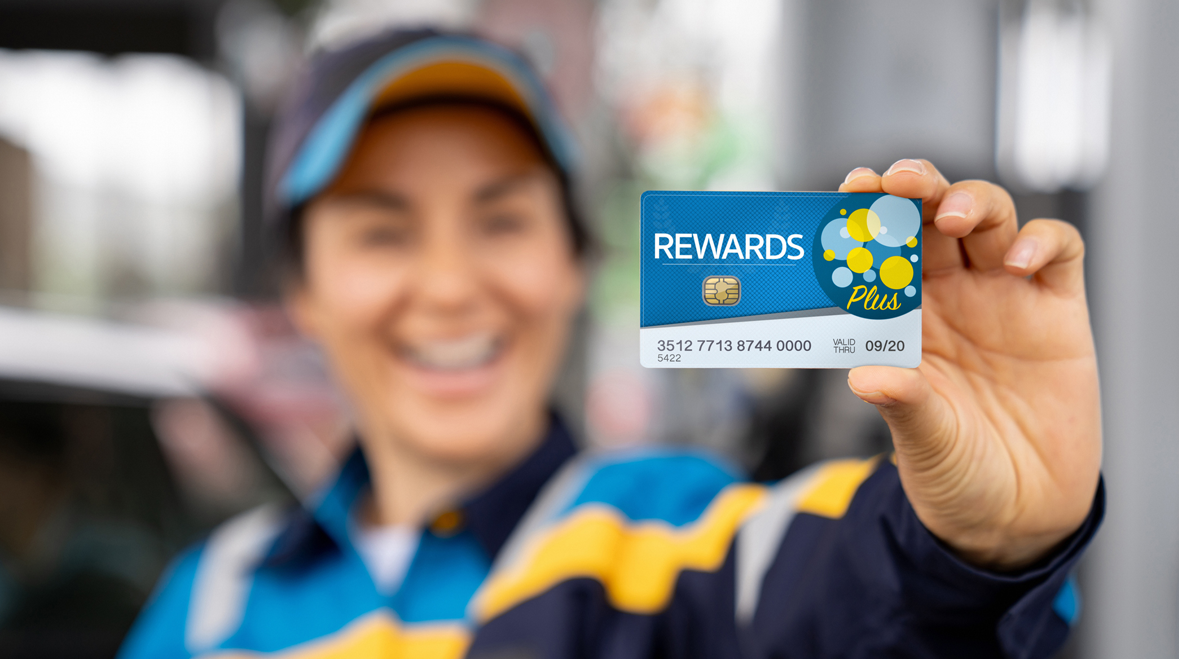
Let’s get back to the basics. A convenience store loyalty program still exists to do two things: get customers to come back, and get them to spend more when they do. When you look beyond physical punch cards and simplistic point counters, you discover that the real value of loyalty comes not from the reward itself but from the behavior it shapes. Smart programs create patterns of patronage that increase frequency and spend. Consumers who participate in a well‑designed loyalty program tend to visit more often and spend more per visit than those who do not, which directly impacts profitability. In fact, recent industry surveys show that loyalty programs can increase spending with a preferred brand among a significant share of consumers, with more than half reporting higher spend because of their involvement in the program.
But the magic doesn’t happen just because you hand out points. Points are a tool, not a strategy. What matters is how you integrate a loyalty program into your customers' daily decision‑making. Modern shoppers are savvy. They know what they want, and they know when they are being offered something trivial versus something valuable. Instead of generic points that never seem to add up to anything, the programs that succeed today are those that feel personal, easy to understand, and fast to deliver value. That could be a small reward immediately after sign‑up, seasonal offers tied to local events, or even tiered benefits that recognize your heaviest users with perks that make sense to them.
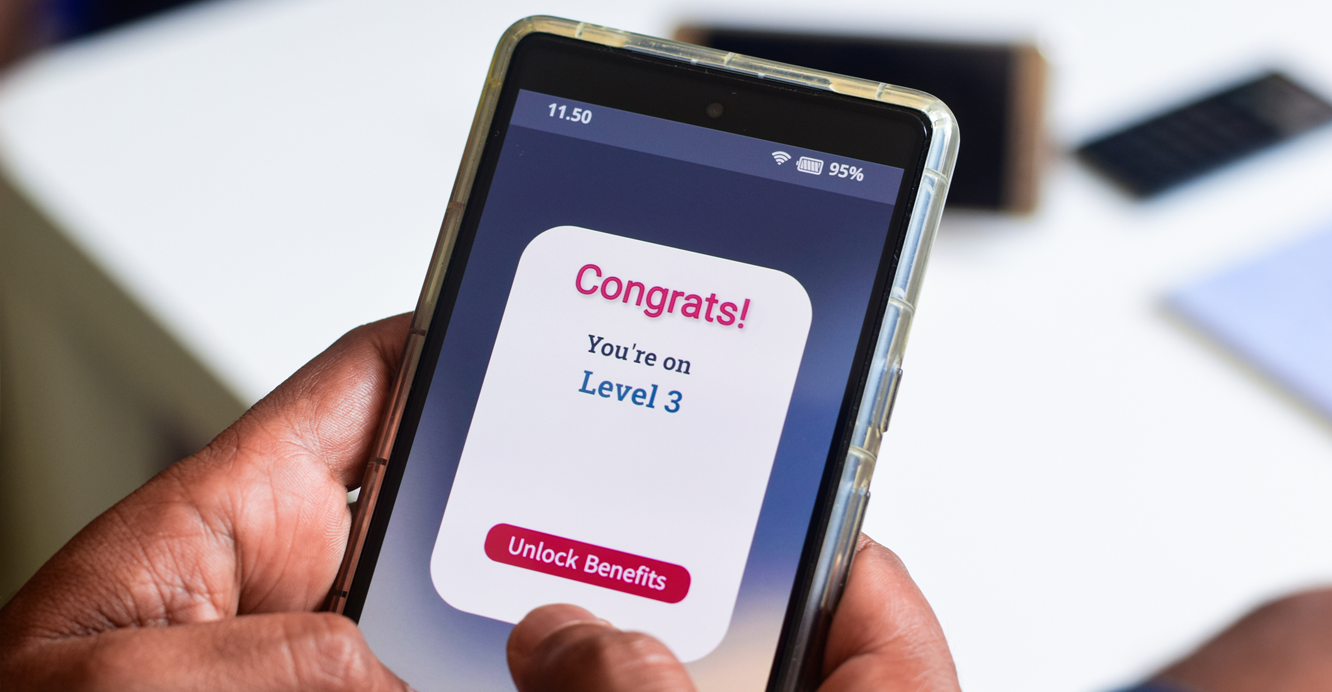
This shift in expectations means convenience retailers have to think about loyalty as a relationship program, not a transaction program. That starts with how customers sign up and engage with your system. If enrollment feels clunky or disconnected from the way people actually live and function, they won’t bother. That’s one reason why digital integration is so important. Mobile apps, QR codes at the pump, or simple phone‑number‑based sign‑up at the register all lower the barrier to entry and invite participation without slowing the customer down.
Once customers are in the system, the next challenge is to give them reasons to use it that feel immediate and relevant. Long‑term point accumulation for a big redemption in six months might work in other channels, but in convenience retail, where visits tend to be quick, and needs are transactional, you need incentives that resonate now. That might mean small, instant rewards tied to purchase behavior you already want to encourage. A free fountain drink after three visits this week, double rewards on travel necessities for commuters, or personalized deals based on past purchases that feel like a genuine “thank you” rather than a generic pitch.
Operators who have studied engagement trends with loyalty programs also caution that tracking the data that matters is more important than counting members. A swelling member list means nothing if those members aren’t actually buying more or coming back more frequently. Instead, look at redemption rates, changes in basket size among loyalty users, and category‑specific lift attributable to loyalty promotions. Those insights tell you whether your program is actually changing behavior or just collecting names.
Another evolving front in loyalty strategy is segmentation and personalization. The mistake many retailers make is treating loyalty members as a homogeneous group. In reality, a commuter who stops in every morning for coffee and a local resident who comes in occasionally for snacks have very different motivations and value to your business. Using purchase history to segment your members and tailor offerings, whether through app notifications, SMS alerts, or targeted promotions at the register, makes the experience feel more relevant and makes your loyalty spend more efficient.
“Independents who shift their thinking from “how do I give away discounts” to “how do I become part of my customer’s routine” will find their stores not just surviving but thriving”
Tiered loyalty structures are one way to recognize the different levels of customer engagement. Instead of a flat points system, members unlock better benefits as they reach higher engagement thresholds. This not only rewards your best patrons but also encourages casual shoppers to increase their frequency to reach the next level. It taps into a simple human motivation: progression and recognition.
One of the biggest shifts in conversations with operators is how loyalty strategy now overlaps with brand partnerships and cross‑promotions. In a world where everything competes for attention, loyalty programs can become a platform for collaboration rather than a solo pursuit. Partnering with local brands, community events, or even regional sports teams can give your program a flavor that feels rooted in your community rather than like yet another generic rewards card. Local relevance builds emotional loyalty that keeps customers choosing your store over the competitor down the road.
It is also worth noting that loyalty is about more than just what happens inside your doors. Many convenience retailers are integrating loyalty with marketing touchpoints outside the store, such as email campaigns, social media engagement, and notifications tied to location or time of day. These signals remind customers that you are part of their lives, not just a place they visit when they happen to be nearby.
Of course, all of this doesn’t come without challenges. Rolling out a program that feels personal requires a level of operational discipline and data strategy that many independents haven’t traditionally needed. But more predictable traffic, better understanding of customer behavior, and real differentiation in a crowded market make it worth the investment. Even simple shifts, like ensuring your staff understands the loyalty program and can explain it quickly at the register, can boost engagement dramatically.
Loyalty in 2026 is about building systems that respect the way people shop and live. Fast, personalized, and value‑driven. Independents who shift their thinking from “how do I give away discounts” to “how do I become part of my customer’s routine” will find their stores not just surviving but thriving, even in the face of stiff competition and ever‑evolving consumer expectations.
Newsletter
Stay Informed with
Top Headlines
Category
Insights and trends shaping U.S. convenience retail.
Content is provided for informational purposes only and does not constitute legal, financial, or professional advice.