
How Economic Pressure Is Reshaping C-Store Spending Patterns
There’s a difference between a cheap shopper and a value-minded one. The distinction matters more now than it ever has before, because what today’s convenience store customers are actually aiming for is smarter spending. They’re comparing, planning, and getting more value from the dollars they spend. As economic pressure continues to reshape household budgets, it’s changing where people shop, as well as what they expect when they walk into your store.
This shows up in everyday choices: trading down from brand-name to private-label, skipping the extra drink to stay under budget, and waiting for a promotion before buying what they used to grab without thinking. The days of automatic purchasing are behind us, at least for now. Consumers are still shopping c-stores, but they’re doing it with clearer eyes and tighter wallets. This means operators must rethink how they define value to ensure relevance, utility, and the overall experience.
“the habits they form during leaner periods often stick.”
What we’re seeing in stores today is a more intentional kind of shopper. Instead of popping in just because they were driving by, more customers are coming in with a specific purpose. They’re not browsing for the fun of it; they’re picking up items they need or responding to deals that feel meaningful. The casual, unplanned “grab-and-go” trip still exists, but it’s being edged out by more focused visits, often driven by promotions, category trust, or a known value offering that feels worth the stop.
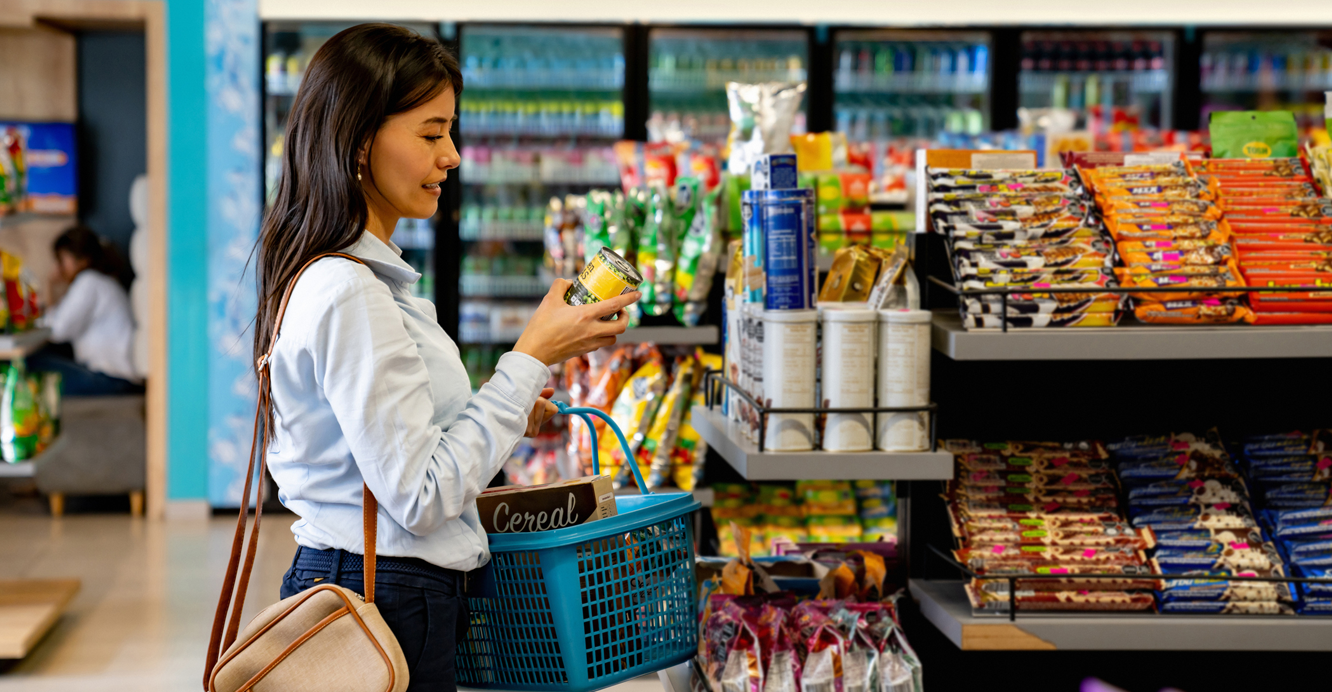
In that environment, pricing strategy can’t be one-size-fits-all. Some customers are actively price-comparing across apps and local retailers. Others are looking for perceived value: getting more for their money, even if the ticket is slightly higher. It’s not always about being the cheapest, it’s about being the best deal for what the customer wants at that moment. A cold, well-presented fountain drink for under two dollars can still be a strong draw, even if someone’s buying fewer packaged snacks than they used to.
Certain categories are feeling this more than others. Foodservice that offers a good portion at a fair price continues to perform well because it checks the value boxes: filling, convenient, and priced right. On the other hand, some indulgent or impulse-driven items have softened because they’re seen as extras, and they’re easy to skip when money feels tight. It doesn’t mean you stop carrying those items, but it does mean you may need to reconsider placement, pricing, and promotional support.
Operators who win with value-seeking consumers are usually doing a few key things right. They’re clear in their pricing, promoting items that matter, bundling where it makes sense, and more than anything, they’re consistent. Most customers hate inconsistency. If the Monday promo is gone by Thursday with no explanation, or if pricing bounces week to week, they lose trust, and trust is very hard to rebuild.

It’s also important to remember that value means different things to different customers. For some, it’s pure price. For others, it’s time saved, quality trusted, or even a loyalty reward that hits right when they need it. Loyalty programs, when executed well, can speak directly to this mindset by delivering small, frequent, and useful benefits that make shoppers feel like they’re winning. That might be a discount on a favorite item after a few visits, or access to limited-time pricing that feels like a perk.
This kind of shopper behavior isn’t going away, even if the broader economy improves. When customers learn to shop more carefully, they don’t forget. They might get more flexible over time, but the habits they form during leaner periods often stick. Convenience stores that adapt now will be better positioned long after the immediate pressure fades.
“Convenience stores that adapt now will be better positioned long after the immediate pressure fades.”
Independent operators don’t have to race to the bottom on price. In fact, many shouldn’t. But they do need to understand the value story they’re telling. Is it about quality? Is it about reliability? Is it about promotions that actually feel useful? Whatever it is, the story must be clear, consistent, and rooted in what the customer values, not just in what the store is trying to move.

Value is not the enemy of profit. When handled well, it’s a way to earn repeat business, build trust, and stand out in a market where customers have more options than ever before. What matters now is not just what you sell, but how you help your customers spend wisely.
“Value is not the enemy of profit. When handled well, it’s a way to earn repeat business”
Share:
Newsletter
Stay Informed with
Top Headlines
Category


Insights and trends shaping U.S. convenience retail.
Content is provided for informational purposes only and does not constitute legal, financial, or professional advice.