
Capitalize on Regional Travel Traffic and Seasonal Demand
Every summer, as the mercury rises, so does the movement of people across the Southeastern United States. The region’s highways become arteries of adventure, with families, solo travelers, and road trippers seeking sun-soaked beaches, mountain retreats, and vibrant cityscapes. For convenience store owners, this seasonal surge isn’t just a chance occurrence—it’s a golden opportunity to boost sales, enhance brand visibility, and create lasting customer impressions.
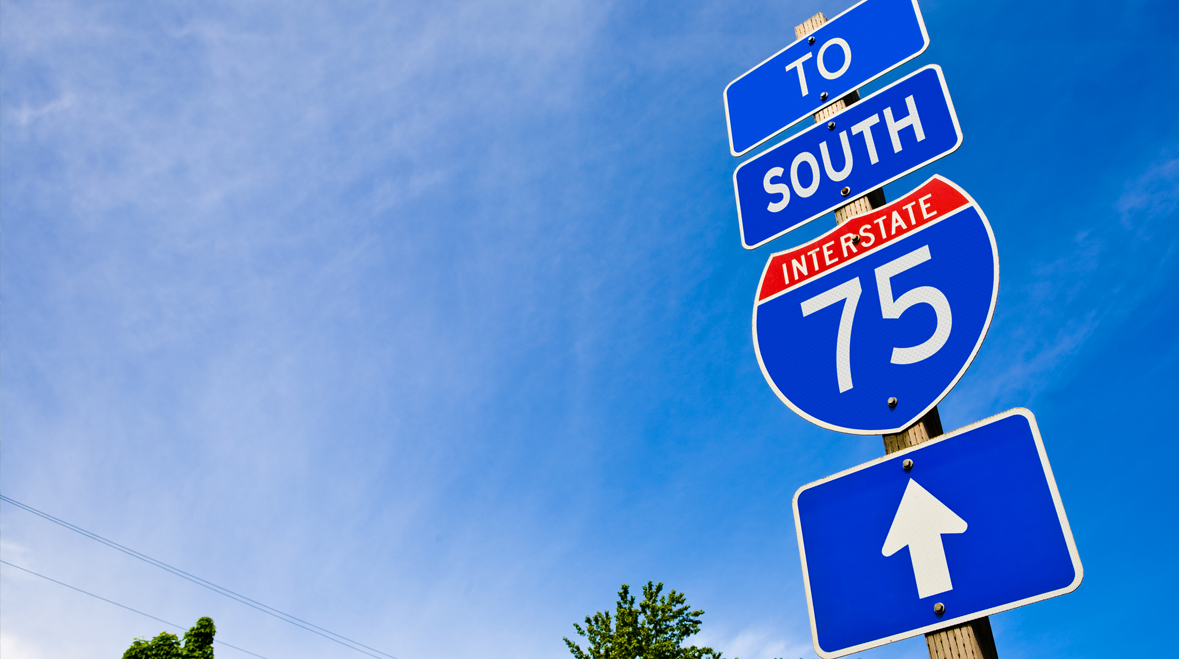
The Southeastern U.S. is a mosaic of travel destinations, and its interstates are the threads that weave them together. Interstate 75, stretching from the Canadian border down to Florida, is a prime example. It channels travelers through key cities like Atlanta, Macon, and Valdosta, serving as a lifeline for those heading to Florida’s beaches or returning northward. Similarly, Interstate 85 connects the Carolinas to Georgia and Alabama, guiding tourists to destinations like Charlotte, Greenville, and Montgomery. Interstate 20 offers a direct route from Texas through Mississippi and Alabama into Georgia, while Interstates 59 and 22 provide vital links between the Deep South and the Midwest.

These highways aren’t just conduits for vehicles—they’re corridors of commerce. According to the Federal Highway Administration, traffic volumes on these interstates see significant upticks during the summer months, with millions of vehicles traversing these routes weekly. Notably, a substantial portion of this traffic originates from outside the Southeastern region. Travelers from the Northeast, Midwest, and even the West Coast embark on road trips that lead them through the Southeast, seeking the region’s unique blend of hospitality, cuisine, and natural beauty. 
Summer holidays play a pivotal role in this travel boom. Memorial Day weekend in late May marks the unofficial start of the summer travel season. Juneteenth on June 19th, now recognized as a federal holiday, offers another opportunity for extended travel. Independence Day on July 4th and Labor Day in early September bookend the season, each bringing waves of travelers eager to make the most of their time off. These holidays, coupled with school vacations, create a sustained period of increased mobility across the region.
Beyond holidays, the Southeast hosts a plethora of events that draw crowds from near and far. For instance, the “Sand in My Boots” festival in Gulf Shores, Alabama, scheduled for May 16-18, 2025, is expected to attract over 40,000 attendees. Such events not only boost local economies but also increase traffic on nearby interstates, presenting opportunities for convenience stores situated along these routes. Similarly, cities like Charlotte, North Carolina, and Atlanta, Georgia, host summer festivals, concerts, and sporting events that contribute to regional travel surges.  
Given this influx of travelers, how can independently owned convenience stores compete with large chains and truck stops? The answer lies in personalization and local charm. While big-box stores offer uniformity, independent stores can provide unique experiences that resonate with travelers seeking authenticity. This can be achieved through curated product selections featuring local snacks and beverages, personalized customer service, and clean, welcoming facilities. Highlighting regional specialties or offering travel tips can further enhance the customer experience.
Effective signage is crucial in capturing the attention of passersby. Bright, clear, and strategically placed signs can entice drivers to stop, especially when they highlight unique offerings or promotions. Utilizing digital platforms to advertise real-time deals or amenities can also attract tech-savvy travelers. Moreover, ensuring that your store is listed on popular navigation apps and travel websites increases visibility to those planning their stops in advance.
Staffing is another critical component during the summer months. With increased foot traffic, it’s essential to have adequate staff to maintain service quality. Consider hiring seasonal workers or adjusting shifts to cover peak hours, typically late mornings and early evenings. Training staff to handle the unique needs of travelers, such as providing directions or local recommendations, can leave a lasting positive impression.
Inventory management must also adapt to the season. Stocking up on high-demand items like cold beverages, snacks, sunscreen, and travel-sized toiletries ensures that travelers find what they need. Monitoring sales trends and adjusting orders accordingly can prevent stockouts and overstock situations. Collaborating with suppliers for timely deliveries and promotional deals can further enhance profitability. 
In conclusion, the summer season in the Southeast is a dynamic period filled with travel, events, and opportunities for convenience store owners. By understanding regional travel patterns, capitalizing on holidays and events, and providing personalized, high-quality service, independent stores can not only compete with larger chains but also thrive. Embracing the unique characteristics of your location and clientele can turn the summer surge into sustained success.
Newsletter
Stay Informed with
Top Headlines
Category



Insights and trends shaping U.S. convenience retail.
Content is provided for informational purposes only and does not constitute legal, financial, or professional advice.