Boosting Loyalty with Expanding Offerings
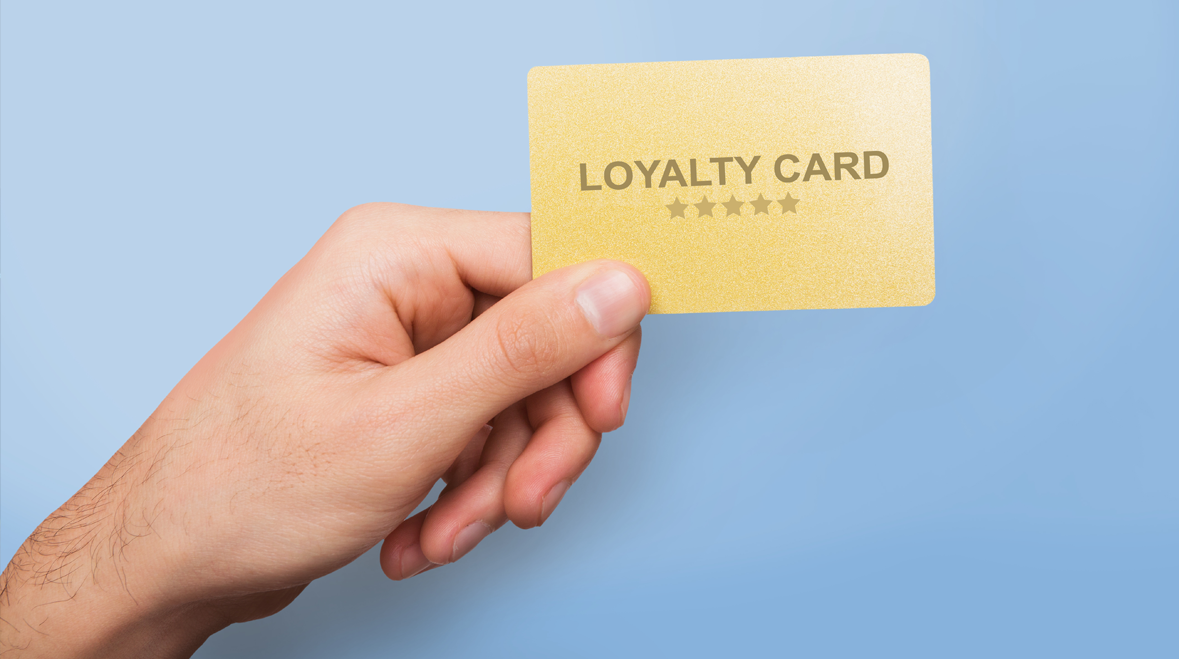
Loyalty programs have long been a staple in the convenience store industry, rewarding repeat customers and encouraging return visits. But as c-stores expand their offerings beyond traditional fuel and snacks—incorporating foodservice, EV charging, and specialty products—these programs have even greater potential. A well-designed loyalty program doesn’t just increase customer retention; it creates opportunities to promote new services, drive higher spending, and personalize the shopping experience. By strategically tying loyalty programs to expanded offerings, independent c-store owners can turn occasional visitors into devoted Customers.
Tying Loyalty to New Revenue Streams
As convenience stores evolve to include fresh food programs, coffee bars, and even EV charging stations, integrating these services into a loyalty program can significantly boost engagement. Many customers are already accustomed to earning points on fuel purchases, but expanding these incentives to other high-margin areas creates additional reasons for them to choose one store over another.
For example, a c-store that introduces a made-to-order foodservice program can encourage trial and repeat purchases by offering double loyalty points on sandwich or coffee purchases. Customers who visit primarily for fuel may be enticed to step inside and explore these new options. Similarly, EV charging stations can be incorporated into loyalty programs by offering free coffee or discounts on in-store items for customers who charge their vehicles—a tactic that keeps them engaged with the store while they wait.
Bundling services into loyalty promotions is another effective way to increase overall spending. Consider a “charge and chill” deal, where customers using an EV charger receive a discount on a cold beverage, or a “coffee club” that rewards frequent morning customers with a free cup after a set number of visits. These small incentives create habits that lead to higher lifetime customer value.
Personalized Rewards for Maximum Impact
One of the most powerful trends in loyalty programs is personalization. Today’s customers expect more than generic discounts— they want offers tailored to their preferences and buying habits. Convenience store owners who use data-driven insights to personalize rewards can see significant improvements in program engagement and overall sales.
A customer who frequently purchases breakfast items might appreciate an offer for a free pastry with their next coffee purchase. A shopper who regularly buys energy drinks could receive an exclusive discount on a new beverage brand. By using purchase history to customize rewards, stores make customers feel valued while encouraging repeat business.
Technology makes this easier than ever. Many modern loyalty platforms offer mobile apps and digital wallets that allow customers to track their rewards, receive personalized offers, and even redeem points through their smartphones. This not only enhances convenience but also provides store owners with valuable insights into customer behavior, allowing for more targeted Promotions.
Best Practices for Implementation
Successfully integrating loyalty programs with expanded offerings requires careful planning and execution. Store owners should focus on making participation easy, ensuring rewards are meaningful, and using promotions strategically to drive sales.
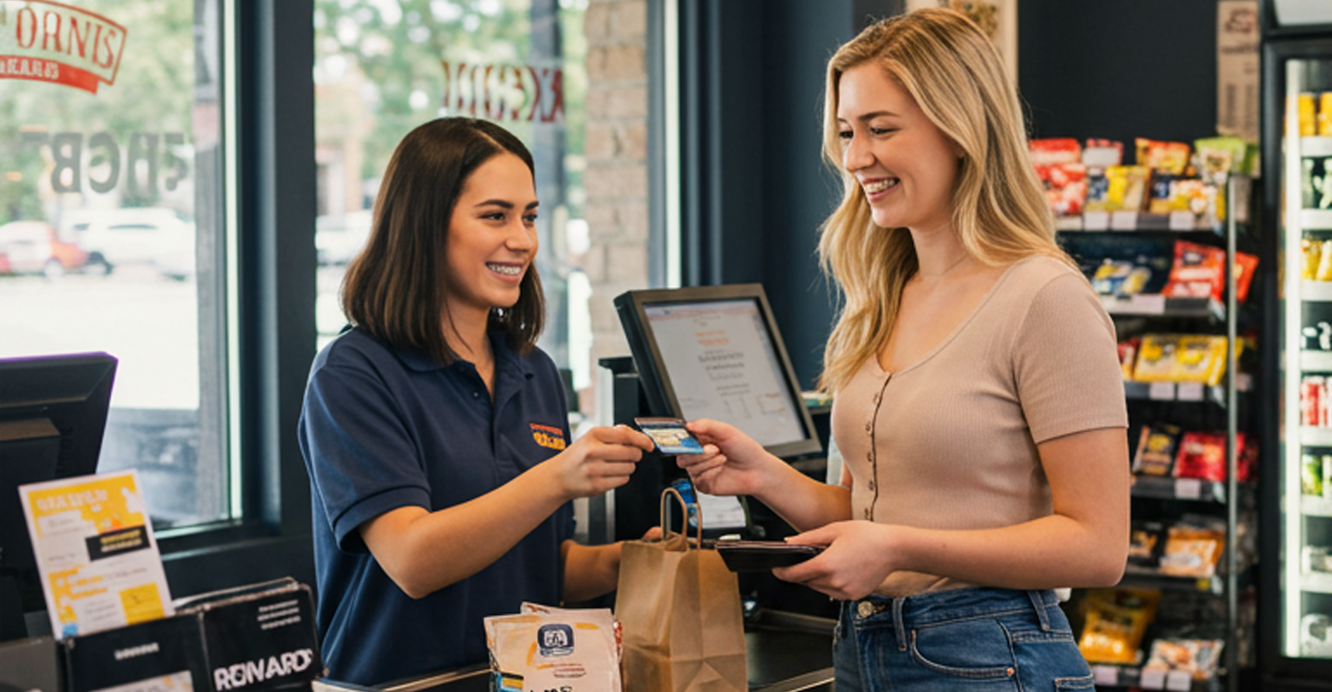
First, simplicity is key. Customers are more likely to engage with a loyalty program that is straightforward and easy to use. Whether it’s a mobile app, a phone number-based system, or a scannable card, the enrollment process should be quick and hassle-free. Additionally, rewards should be easy to track and redeem—nothing frustrates customers more than a confusing or overly complicated points system.
Second, rewards must be enticing enough to influence behavior. Small discounts can be effective, but exclusive perks—such as members-only deals, surprise birthday rewards, or early access to new products—can create even stronger emotional connections with the brand. Offering double points during slower hours or launching limited-time promotions tied to new services can also drive engagement and boost sales.
Finally, marketing plays a crucial role in loyalty program success. Employees should be trained to promote the program at checkout, in-store signage should clearly highlight the benefits, and digital channels— such as email and social media—should be used to remind customers of their rewards and upcoming promotions. A well-marketed program ensures that customers see the value and actively participate.
As convenience stores continue to diversify their offerings, a well-integrated loyalty program can be a game-changer. By linking rewards to foodservice, EV charging, and other non-fuel purchases, store owners can increase engagement, drive incremental sales, and strengthen customer relationships. Personalized promotions and seamless program execution further enhance the experience, ensuring customers return time and time again.
For independent c-store owners, loyalty isn’t just about rewarding transactions— it’s about building long-term connections. With the right strategy, a strong loyalty program can turn everyday shoppers into brand ambassadors, ensuring sustained growth and profitability in an increasingly competitive market.
Newsletter
Stay Informed with
Top Headlines
Category
Insights and trends shaping U.S. convenience retail.
Content is provided for informational purposes only and does not constitute legal, financial, or professional advice.