
Redefining Convenience
In today’s competitive retail landscape, the traditional gas station is undergoing a dramatic transformation. Once associated primarily with fuel and snacks, convenience stores are now redefining their role as community hubs offering far more than gasoline.
With increased competition from grocery stores, quick-service restaurants (QSRs), and delivery apps, c-store operators are expanding their offerings to capture new revenue streams and remain relevant in an ever-changing marketplace.
The Rise of the Diversified Convenience Hub
As consumer expectations evolve, so too must the convenience store model. A recent survey by the National Association of Convenience Stores (NACS) found that 65% of consumers want convenience stores to provide more fresh and ready-to-eat food options, while 40% are seeking grocery items they can pick up quickly. This shift reflects a growing demand for convenience stores to become one-stop destinations, catering to busy lifestyles without sacrificing quality or variety.
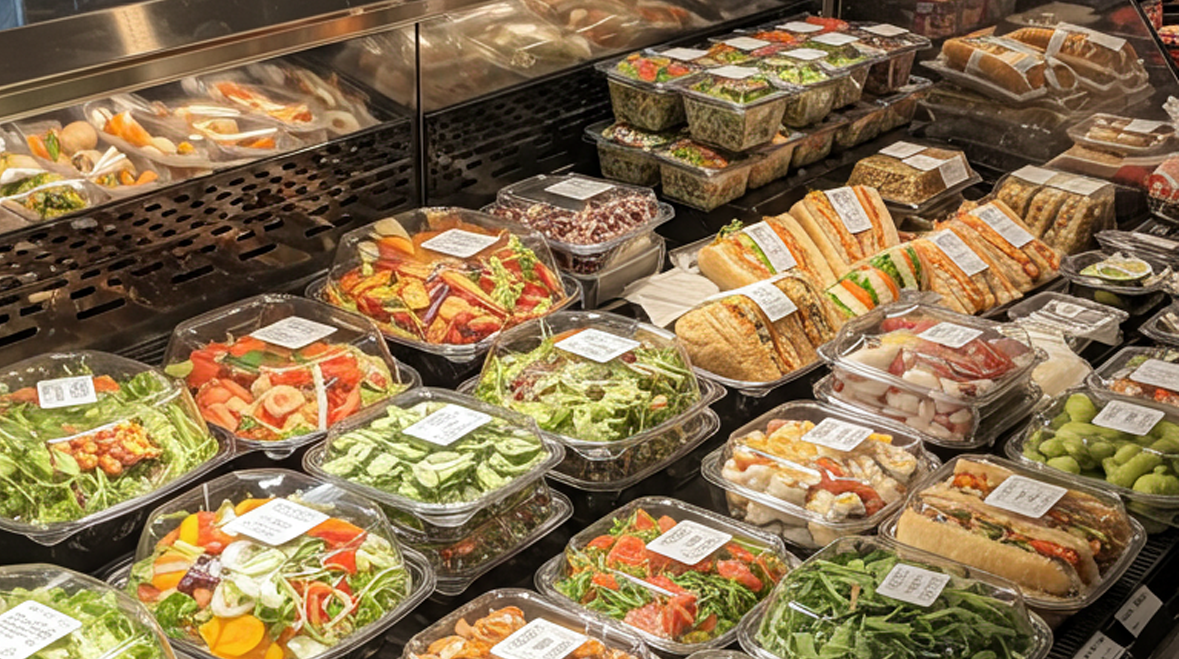
Foodservice has become a major driver of this evolution. Chains like Sheetz and Wawa have successfully rebranded themselves as food-first destinations, offering extensive menus of made-toorder meals, premium coffee, and even healthy options like salads and smoothies. These chains have demonstrated that consumers will visit a c-store not just for fuel, but for a high-quality dining Experience.
Grocery offerings are also gaining traction. In regions where traditional supermarkets are sparse, c-stores are stepping in to provide essential items like bread, milk, and fresh produce. For instance, Yesway, a rapidly expanding chain, has integrated grocery sections into its stores to meet the needs of underserved communities. This shift not only drives traffic but also encourages repeat visits as customers come to rely on the store for more than impulse purchases.
Examples of Successful Diversification
One standout example is Alltown Fresh, a chain that has redefined what it means to be a convenience store. Located primarily in the Northeastern United States, Alltown Fresh focuses on farmto- table foodservice, offering madeto- order sandwiches, organic snacks, and cold-pressed juices. By creating a space that emphasizes health, sustainability, and community, Alltown Fresh has attracted a new demographic of health-conscious consumers who may not have previously considered c-stores for their dining or shopping needs.
Another success story is Foxtrot, a modern convenience concept that combines grocery items, upscale snacks, and curated gift items with café-like seating and delivery services. Targeting urban professionals, Foxtrot has turned convenience into an experience, blending elements of a boutique grocery store, café, and c-store into one seamless Brand.
Even traditional fuel-focused stores are making the leap. Kwik Trip, a Midwest- based chain, has added full-service grocery sections to many of its locations, complete with fresh produce, bakery items, and even meat. These additions have allowed the chain to compete not only with c-stores but also with regional supermarkets.
Why Consumers Expect More
The shift toward diversified convenience hubs is driven largely by consumer behavior. Today’s customers demand convenience in every aspect of their lives, and they’re willing to pay a premium for it. A study by Deloitte found that 80% of consumers value convenience as highly as price and quality, underscoring the importance of streamlining the shopping Experience.
Additionally, the rise of e-commerce and delivery apps has heightened consumer expectations for speed and accessibility. As a result, convenience stores are expected to offer solutions that align with these trends, whether it’s through expanded product offerings, improved in-store experiences, or delivery partnerships.
Next Steps
For c-store operators interested in evolving beyond the pump, here are actionable steps to consider: Assess Your Demographics: Understand your customer base and what they value most. Are they commuters looking for quick meals, or local residents seeking essentials?
Expand Foodservice Offerings: Invest in made-to-order meals, pre-packaged healthy options, or grab-and-go items to appeal to a wider audience.
Test Grocery Sections: Start small with essential items like milk, eggs, and bread to gauge interest and build traffic.
Partner with Local Vendors: Collaborate with local farms or suppliers to add unique, high-quality products that set your store apart.
Invest in Store Layouts: Redesign the space to make it more inviting and functional, ensuring foodservice and grocery areas are easy to navigate.
Looking to the Future
The diversification of convenience stores isn’t just a trend—it’s the future of the industry. As traditional gas stations evolve into multifaceted hubs for food, groceries, and everyday essentials, they will play a critical role in meeting the demands of convenience-driven Consumers.
The success stories of chains like Wawa, Kwik Trip, and Alltown Fresh demonstrate that there is enormous potential for c-stores to expand beyond their traditional role. By embracing change and investing in the products and services their customers want, convenience stores can secure their place as indispensable destinations in the communities they serve.
2025 represents a turning point for the industry. Those who adapt to meet the needs of today’s consumers will not only survive but thrive, paving the way for a new era of convenience that goes far beyond the pump.
Newsletter
Stay Informed with
Top Headlines
Category


Insights and trends shaping U.S. convenience retail.
Content is provided for informational purposes only and does not constitute legal, financial, or professional advice.