
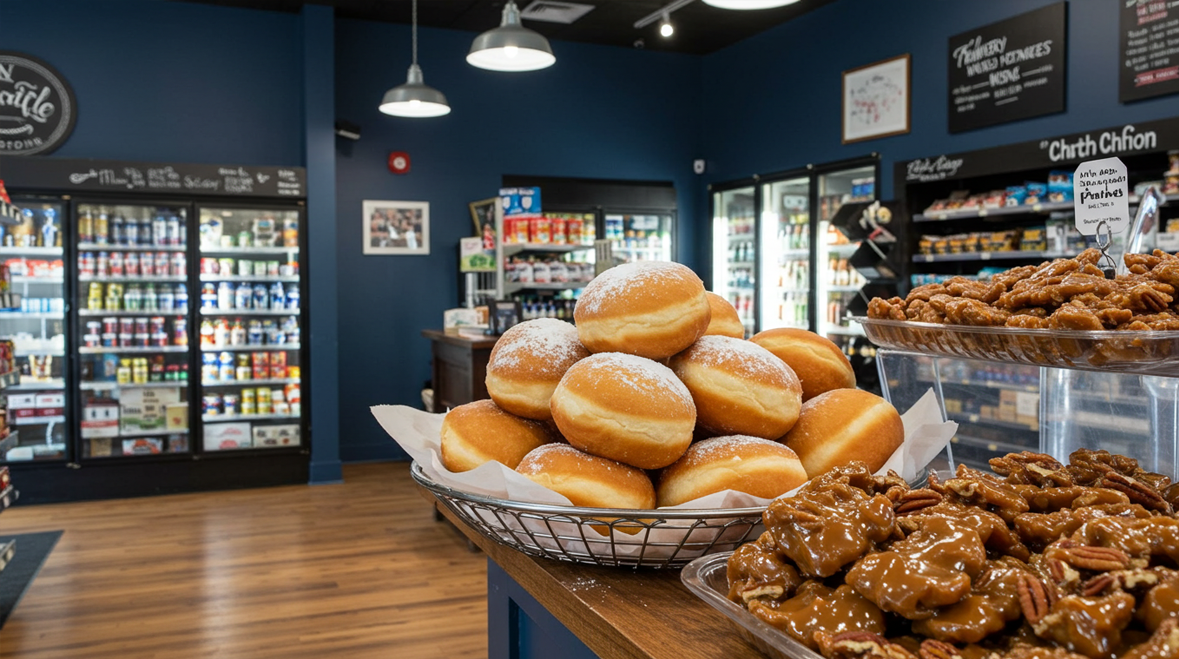
For independent convenience store owners, standing out in a competitive market is no small feat. With national chains dominating the landscape, finding ways to attract and retain customers requires more than just competitive pricing and convenience. One powerful strategy that is gaining traction among c-store operators—especially in the Southeast—is leveraging local and regional products. From fresh baked goods sourced from a neighborhood bakery to craft sodas, barbecue sauces, and homegrown snacks, integrating local flavors not only creates a unique shopping experience but also fosters customer loyalty and increases Revenue.
Why Regional Products Matter
Customers today are more conscious than ever about where their products come from. They appreciate authenticity and enjoy supporting businesses that contribute to their local economy. When a convenience store stocks a well-loved regional brand or a product with a compelling local story, it resonates with customers on a deeper level. These offerings transform a store from a generic pit stop into a destination that provides a sense of community and hometown pride.
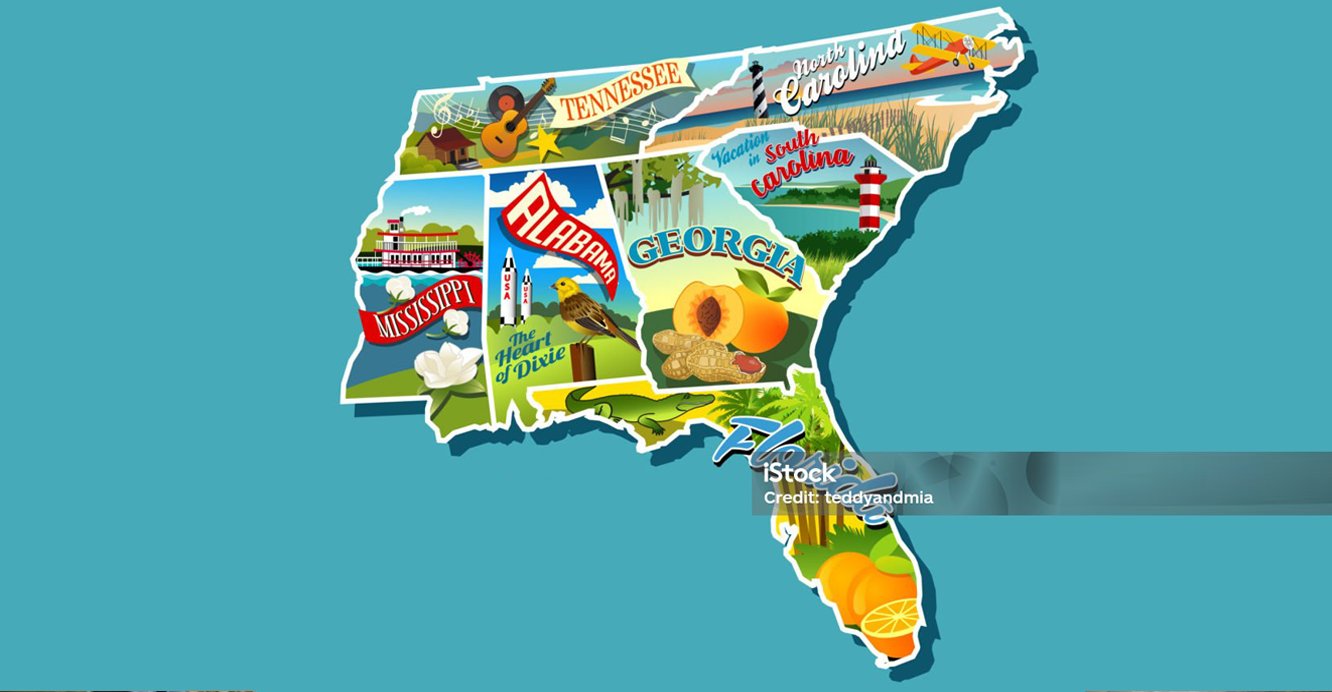
Take, for example, a convenience store in North Carolina that began stocking Cheerwine, a beloved regional cherry-flavored soda. While national brands like Coca-Cola and Pepsi are staples, the addition of a well-known local favorite brought in customers who specifically sought out the drink. Not only did sales of Cheerwine surge, but customers who came for the soda often left with snacks, coffee, or fuel as well. Another store in Louisiana saw success by partnering with a local bakery to sell fresh beignets and pralines. The freshly made goods, unavailable at big-box competitors, became a draw for morning commuters and tourists Alike.
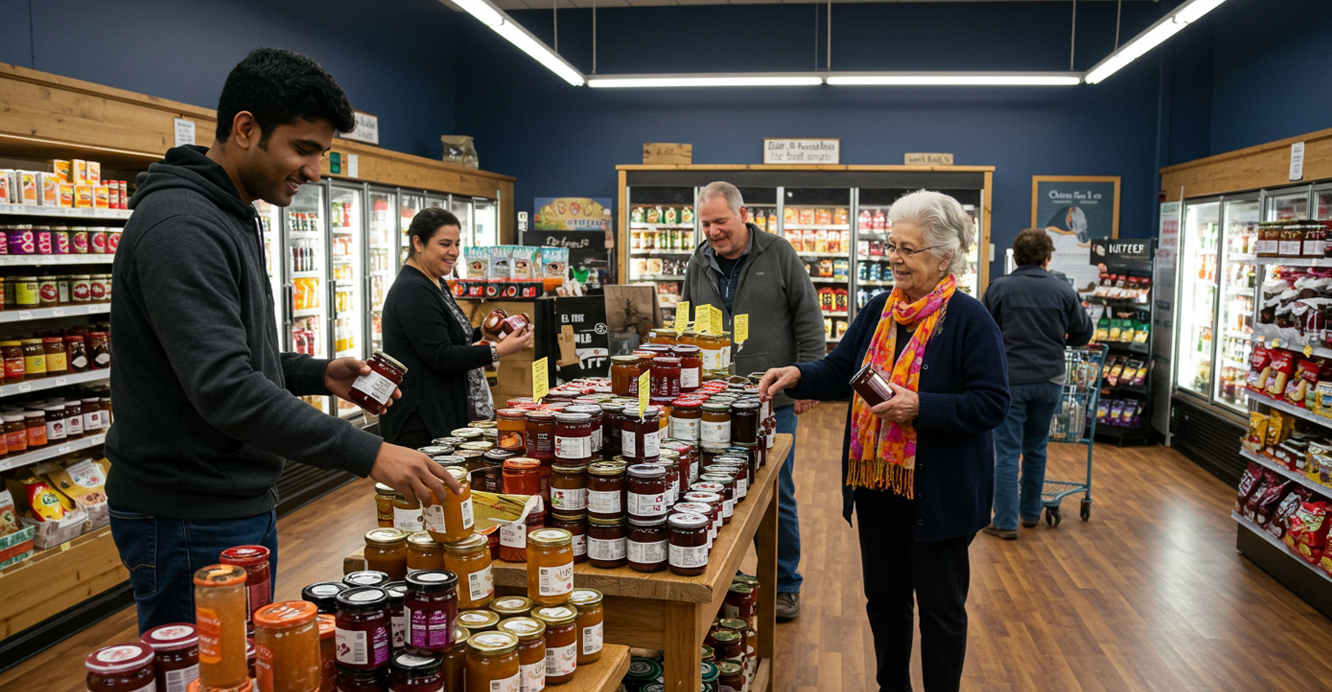
Beyond food and beverages, local partnerships can extend to other high-margin items. A c-store in Tennessee found success in stocking small-batch, locally made hot sauces that became a hit with customers looking for a unique, regionally inspired condiment. By featuring products with a story—such as a family-owned farm producing smallbatch jams or a barbecue sauce made with local ingredients—store owners can turn ordinary purchases into experiences that customers want to share and return for.
How Local Partnerships Give Independents a Competitive Edge
One of the biggest challenges independent c-store owners face is competing with the uniformity and pricing power of national chains. While big-box retailers rely on volume-driven supply chains, they often lack the flexibility to showcase hyper-local products. This is where independent c-stores have a significant advantage.
By sourcing local goods, store owners can offer something the major chains simply don’t: a personalized, community- centered shopping experience.
Local products not only differentiate a store but also build strong relationships with customers. When shoppers see their favorite hometown products on the shelves, they feel a connection to the store and are more likely to return. Additionally, featuring regional items can create buzz and word-ofmouth marketing. A customer who discovers a rare or locally exclusive product at a convenience store is likely to tell friends and family, bringing in new business.
Beyond boosting customer loyalty, partnerships with local vendors also support the surrounding economy. Small-batch food producers, craft beverage makers, and local farmers benefit from having a retail outlet, and in turn, they often help promote the store carrying their products. It’s a mutually beneficial relationship that fosters goodwill and community engagement.
Steps to Identify and Source Local Products
Bringing local products into a convenience store requires a thoughtful approach, but it doesn’t have to be complicated. Here’s how independent c-store owners can successfully integrate regional goods into their inventory:
1. Understand Your Customer Base Before sourcing local products, it’s crucial to understand what your customers want. Are they looking for fresh baked goods in the morning? Are they interested in unique regional snacks or beverages? Observing purchasing habits, engaging with customers, and even conducting informal surveys can help identify demand.
2. Connect with local vendors, farmers’ markets, food festivals, and community fairs are excellent places to discover potential vendors. Many small businesses are eager for retail exposure and may offer special wholesale pricing for local retailers. Reaching out to local bakeries, coffee roasters, or specialty food makers can lead to unique product partnerships.
3. Highlight Regional Appeal Once local products are introduced, they should be prominently displayed and marketed. Using signage that tells the story of the product—where it’s made, who makes it, and why it’s special— adds value. Social media promotions, in-store tastings, and limited- time offers can also drive interest and excitement.
4. Start Small and Scale Up There’s no need to overhaul the entire inventory overnight. Testing a few local products and monitoring their performance allows store owners to adjust based on what sells best. Seasonal or rotating selections can keep things fresh and encourage repeat visits.
5. Leverage Loyalty Programs and Promotions Pairing local products with loyalty rewards or discounts on fuel or other essentials can increase sales. For instance, offering a discount on coffee with the purchase of a locally made pastry can encourage trial and boost both categories.
A Win-Win for Convenience Stores & Communities
Integrating local products isn’t just about making a store stand out—it’s about creating a sense of place and connection. Customers appreciate when their go-to store supports local businesses, and in turn, they’re more likely to support the store itself. By embracing regional flavors and forming partnerships with local vendors, independent convenience store owners can drive traffic, increase sales, and build lasting customer relationships.
As the convenience store industry continues to evolve, those who invest in local and regional products will find themselves not just surviving but thriving. Offering something unique, something that national chains can’t replicate, is a game-changer. And in an industry where customer loyalty is everything, the power of local flavor might just be the secret ingredient to long-term success.
Newsletter
Stay Informed with
Top Headlines
Category






Insights and trends shaping U.S. convenience retail.
Content is provided for informational purposes only and does not constitute legal, financial, or professional advice.