
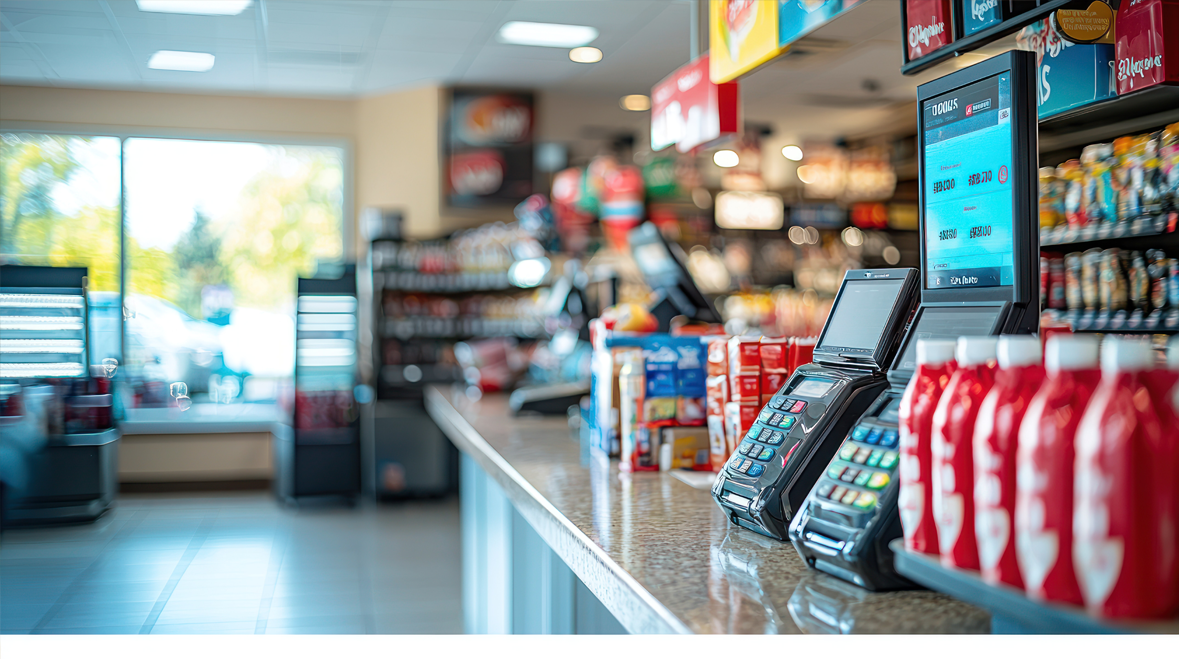
Where is the C-Store Industry Today?
A shift is happening at convenience stores in 2025. It’s not one big event; it is a collection of pressures, adjustments, and small wins that are changing what it means to run a successful store. For many years, the c‑store model was simple: fuel revenues, impulse snacks, lottery, and beverages. Those elements are still present, but several of them are under strain. Fuel volumes are weaker, margins are thinner, and customers are more selective. At the same time, inside‑store offerings are becoming more important. Foodservice, premium beverages, local items, and fresh food are rising in relevance. Stores that adjust are finding growth while others feel the squeeze.
Recent data makes the picture clearer. In the second quarter of 2025, U.S. convenience store sales slipped by 7.9 percent year over year. That slide is traced primarily to weaker fuel revenue. Fewer gallons sold, decline in pump pricing, and increased competition from fuel alternatives. Despite that drop, inside store sales remain relatively resilient. Customers continue to purchase snacks, drinks, prepared food, and other items as they enter the store. They are not abandoning visits altogether; they are changing what they buy. Sources indicate that foodservice and consumer packaged goods are holding steady or growing in many locations, particularly those that have invested in high-quality options. In markets where stores offer better-for-you or local products and maintain a positive store experience, customers tend to spend more per visit.
Margin pressure is real and hard to ignore. Single-store operators report net profits commonly between 3 and 5 percent. High-traffic locations with strong operations or well-built foodservice sections may achieve higher margins. However, for many stores, small mistakes or inefficiencies can rapidly reduce profit. Fixed costs remain constant, including rent, insurance, utilities, and labor. When fuel weakens, those costs tend to dominate. That forces store owners to find gains inside rather than expecting large external shifts.
Some categories are showing strain. Low-margin impulse products are most vulnerable. Generic snacks, lower-cost discount beverages, and even some deeply discounted plastics or brand labels are at risk when consumers tighten budgets. When inflation increases prices, shoppers often opt for lower-priced alternatives or skip extras. That reduces volume even when price points stay stable. On the other hand, premium beverage lines, specialty items, fresh food, and regional or local products are showing promise. They command better margins and grab attention when presented well in stores.

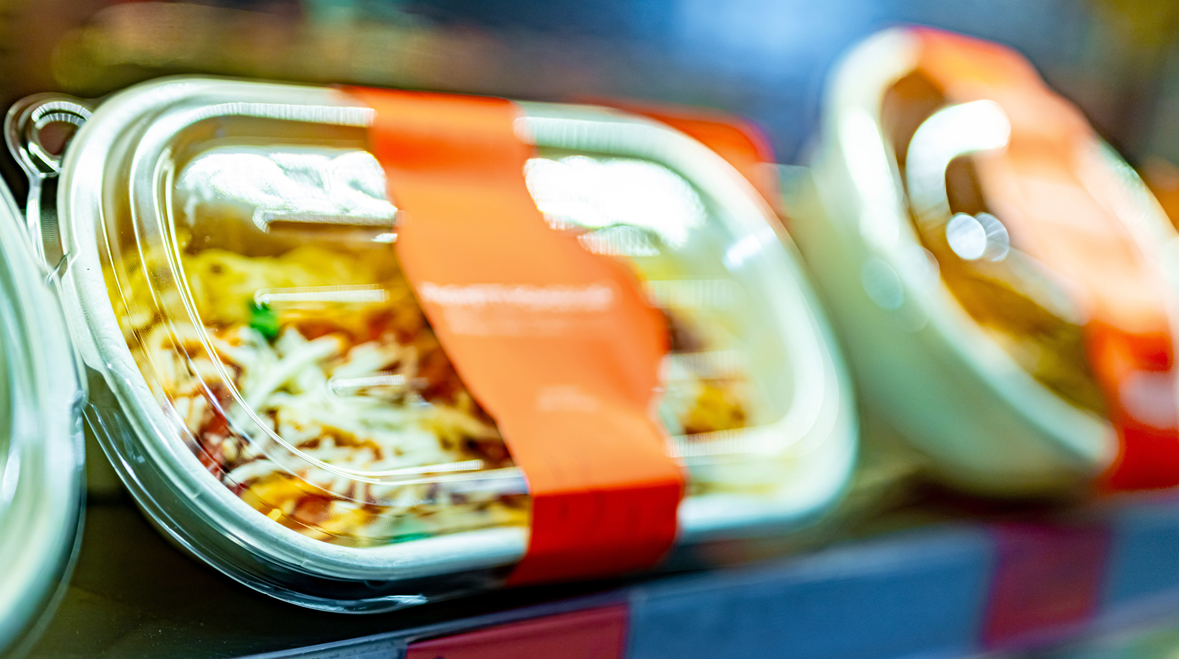
Foodservice continues to stand out as one of the strongest growth levers. Prepared meals, sandwiches, hot foods, and quality grab‑and‑go items are contributing more to store revenue than they did in previous years. In places where menu quality is high, service speed is good, and customers perceive value, foodservice can increase the average check and drive loyalty. Stores that commit to freshness and consistency are seeing stronger returns per square foot of kitchen space. Those kitchens are not extravagant. Often they are lean, efficient, focused on a few strong offerings rather than dozens of weak ones.
Emerging beverages are another bright spot. Consumers are drawn to functional drinks, wellness water, ready-to-drink alternatives, and any product that combines hydration with value. In locations where stores offer sampling, good cooler placement, and clear signage, those products tend to outperform slower-moving lines. Several operators have expanded their beverage assortments and seen traffic uplift simply because their coolers better reflect current consumer demand than those of their competitors.
Loyalty programs and personalization tools are gaining ground. Surveys show that more shoppers now view convenience stores as reasonable substitutes for quick service restaurants. When stores can connect with customers through rewards or personalized offers, they capture visits they might otherwise lose. Metrics show that stores using POS data to drive digital or printed coupons experience higher return rates, a higher take-rate on promotions, and better average tickets when promotions are carefully designed.
Profit drains remain a key challenge. Shrinkage from theft, spoilage, mispricing, or expired product is a growing problem. Expanded fresh food and beverage offerings increase risk when staff are not vigilant. Old refrigeration, poor lighting, inefficient HVAC, and deferred maintenance continue to drive utility costs upward. Labor inefficiency adds up when staff schedules do not match customer demand. Over time, understaffing during peak hours or insufficient cross‑training of staff reduces productivity. Excess inventory of slow-moving SKUs ties up capital and increases waste when products go out of date or do not sell quickly.
Promotions and pricing require discipline. Offers that are too generous or poorly timed eat into margin without driving enough extra volume. Discounts that cannibalize full‑price sales, stacking of promotions that confuse customers, or over reliance on vendor deals without understanding store cost structure can result in profit loss rather than gain. Inventory that is overstocked due to poor forecasting or lack of promotional alignment locks up cash and creates risk for waste.
Technology is doing much of the heavy lifting for stores that adopt it. Inventory forecasting tools help owners decide what to stock and when. Remote monitoring systems for freezers, coolers, and lighting help reduce energy waste. Integrated POS and video systems help detect losses, speed checkout, and reduce fraud and errors. Mobile payment and digital loyalty tools help create frictionless experiences. Stores that invest wisely in technology and train their staff to use it are seeing significant returns on their investment.
Macroeconomic pressures set the backdrop. Inflation has eased compared to prior years, but cost increases in utilities, insurance, transportation, and labor continue. Consumers remain cautious and discretionary spending is tightening. Fuel price volatility persists in many states, affecting both cost structure and customer behavior. Supply chain disruptions, regulatory shifts, and rising minimum wages in certain locations all contribute to the cost side. Stores that do not closely monitor these inputs risk experiencing margin surprises.
This leads to strategy. The actionable path forward is to take a hard look at which categories are growing and which are draining. Evaluate foodservice offerings: is there room to improve taste, presentation, or speed? Consider introducing or expanding beverage lines that match current demand. Improve store appearance, customer experience, lighting, and signage. Audit shrink monthly, review inventory turnover, and check cooler performance. Invest in technology only where the payoff is clear. Utilize loyalty programs or personalized promotions to encourage repeat visits. Train staff to be efficient and customer focused.
In many cases, small changes add up. Reducing energy costs by upgrading lighting, sealing door leaks, and improving cooler insulation can lower monthly bills. Cross-training employees so they cover multiple duties can improve scheduling flexibility and reduce overtime. Tightening product assortment to remove slow sellers frees up shelf space for better items. Improving merchandising and signage can lift awareness and sales of premium or growth categories.
The c‑store economy in 2025, and soon leading into 2026, is complex but not hopeless. It is more a test of responsiveness than endurance. Stores that recognize the shifting trends, adjust their operations and assortments, lean into the interior of the store, and invest in customer experience are positioned to win. For owners who view today’s challenges as opportunities to improve, there is a strong opportunity.
Newsletter
Stay Informed with
Top Headlines
Category



Insights and trends shaping U.S. convenience retail.
Content is provided for informational purposes only and does not constitute legal, financial, or professional advice.