

Every business has its slow stretches. The energy dips, the store feels a little too quiet, and the rhythm that normally keeps things moving stalls out. For convenience store owners, those lulls can feel particularly sharp. The business thrives on momentum: the steady flow of customers who come in for their morning coffee, their afternoon pick-me-up, their evening lottery ticket. When that rhythm falters, the impact shows up quickly on the register tape. In 2025, with customers being more cautious about spending and more selective about where they stop, that challenge has grown. Yet for every store that feels stuck, there are others finding creative ways to breathe new life into it. What they have discovered is that the solution is not just about promotions or discounts. It is about events that make the store feel like a place to connect, even if only for a few minutes, and that sense of connection is what draws people back in.
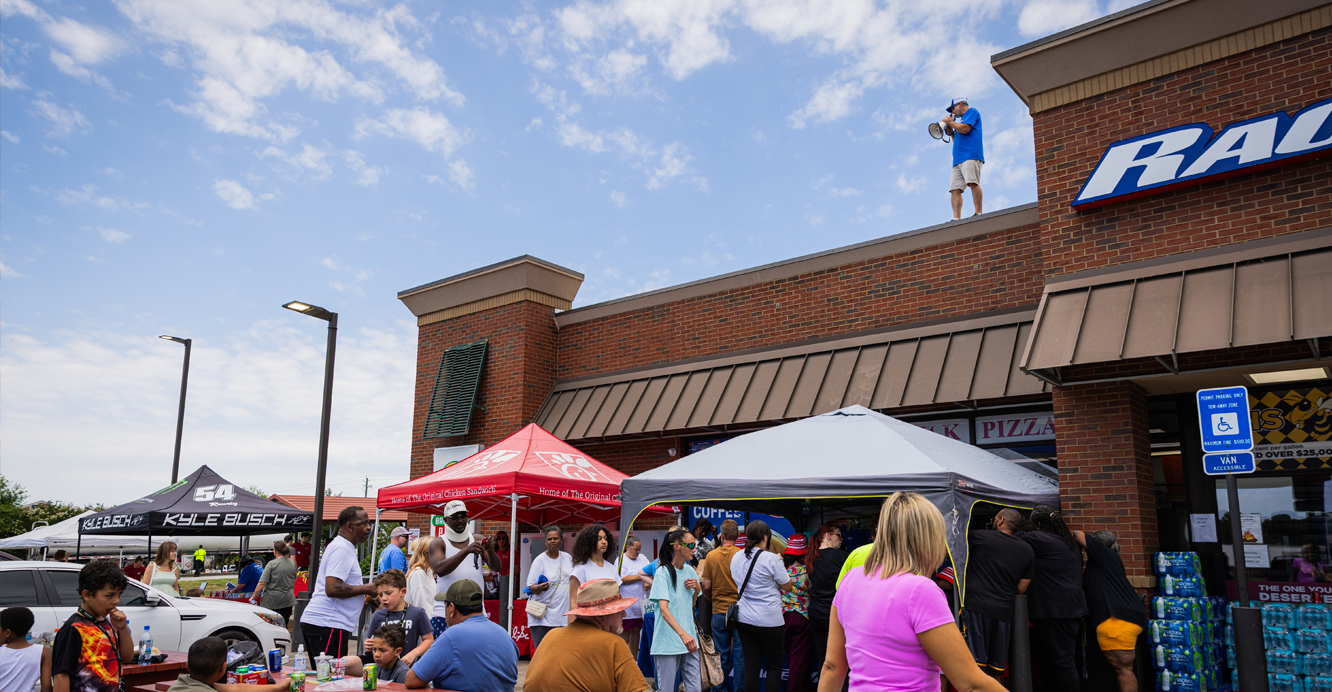
Community drives are one of the clearest examples. At first glance, a school supply collection box or a holiday food drive looks like a small gesture. But in practice, it becomes a powerful magnet. Customers who might not have had a reason to stop that week now have one. They swing by to drop off notebooks, canned goods, or winter coats, and once they are inside, they usually add a purchase. The store benefits from the traffic, but the deeper value is the reputation it builds. People notice when a store steps up for the community, and that goodwill stays long after the drive ends. A customer who once thought of your store only as a place to grab gas or a drink starts to see it as part of something larger, a place that shares in the responsibility of caring for neighbors. That bond is not easily broken.
Sampling works in a similar way but carries its own flavor of connection. In slow weeks, flash sampling can create surprise and curiosity that shifts the mood. A tray of hot coffee from a local roaster offered in the morning, a taste of a new sandwich during lunch hours, or a sip of a functional energy drink in the late afternoon can turn an ordinary visit into something memorable. Sampling is not just about moving product. It is about sparking conversation. Staff talk to customers about what they are trying, ask for their feedback, and share which flavors they like the most. Customers who might have walked in silently now have a reason to linger, engage, and maybe leave with something new in hand. Vendors often provide samples at little or no cost, which keeps the financial risk low while creating the feeling of abundance. And when customers feel like they got something extra, even a small taste, their perception of value shifts in a way that lasts beyond the sample itself.
Micro-markets are another inventive approach. These are temporary displays that transform a corner of the store into something new. A seasonal station with local snacks or a special holiday bundle setup creates a festive atmosphere. Customers are conditioned to browse shelves in a certain way. When items are pulled out, grouped differently, and framed as special, they draw attention. That attention translates into sales, but more importantly, it makes the store feel alive. Staff can lean into the theme, talk about the display, and encourage customers to try something new. Even if the products are not new to the store, the presentation makes them feel like an event. It tells the customer, “something is happening here,” and that energy is contagious.
Live demonstrations take that feeling further by bringing people together around an experience. When a vendor comes in to brew coffee, grill sliders, pour new drinks, or hand out samples, the store becomes more than a stop — it becomes a stage. The air fills with aroma, customers gather, conversations spark, and the atmosphere shifts. One store in Alabama invited a local coffee roaster to set up for a morning demo. The roaster shared stories about the beans, brewed samples, and handed out coupons. Customers not only tasted something new, they learned something, and they left with a reason to come back. These demonstrations often rely on vendor partnerships. The vendor provides the product and the staff; the store provides the space and the audience. It is a win-win, creating energy inside the store without adding labor cost.
What connects all these approaches is not just the bump in sales, but the way they build a sense of community. Convenience stores are found in every type of market, from dense urban corridors to small rural towns. But even in big cities, each store is part of a smaller pocket of community: the neighborhood around a corner store, the stretch of commuters along a highway exit, the group of students who walk by after school. People who live and work in those pockets want to feel recognized. They want places that are more than transactional. When a store hosts an event, however small, it signals that it sees its role differently. It is not only about selling snacks or drinks. It is about being present, relevant, and connected.
This sense of connection also runs deeper when vendors are involved. Many suppliers are eager to support events because they know it builds visibility for their products. For store owners, tapping into vendor resources — from sample stock to demo staff to promotional signage — helps stretch budgets and reduce risk. It also creates a stronger partnership. When a vendor knows you are willing to showcase their products in an engaging way, they are more likely to support your store with promotions, special pricing, or marketing dollars. That partnership becomes another layer of resilience. The store is no longer going it alone; it is part of a network working to keep energy alive.
The benefits also extend to staff. Employees who are asked to participate in events often feel more engaged. Running a sample tray, explaining a micro-market display, or welcoming people during a community drive is different from standing behind a register. It gives staff a chance to connect with customers, to feel part of something more dynamic, and to show personality. That kind of engagement helps with retention. Staff who take pride in their store’s role in the community are more likely to stay, and their enthusiasm positively impacts the customer experience. A customer who sees a friendly face behind a sample tray remembers that interaction long after the free bite has been consumed.
The risk with events is minimal compared to the upside. Most require little capital, modest coordination, and a willingness to promote. Promotion itself is easier than ever. A quick post on a social media page, a printed sign on the door, or even a mention during a customer’s regular visit can spread the word. Customers talk, especially when they feel they are getting something extra or when they see their store supporting a cause. That word of mouth becomes its own marketing engine, carrying your store’s reputation into places traditional advertising cannot reach.
Ultimately, these events are about rhythm. Stores thrive when they feel like they are part of the community’s daily beat. When traffic slows, events restore that rhythm by giving customers a reason to re-engage. They remind people that your store is not just there to sell but to serve. That distinction matters more than ever in a market where customers are watching every dollar and choosing where to stop carefully. They are not only buying a product; they are buying into the feeling that your store is part of their community.
For operators looking at empty aisles during a slow week, the answer may not be another discount sign or coupon code. It may be as simple as a school supply drive, a tray of fresh samples, a seasonal display, or a vendor brewing coffee at the counter. Those moments restore energy, strengthen bonds, and turn lulls into opportunities for growth. And over time, they do more than fill the register. They help transform your store into a place where people feel connected, and that connection is what keeps them coming back, week after week, year after year.
Newsletter
Stay Informed with
Top Headlines
Category




Insights and trends shaping U.S. convenience retail.
Content is provided for informational purposes only and does not constitute legal, financial, or professional advice.