
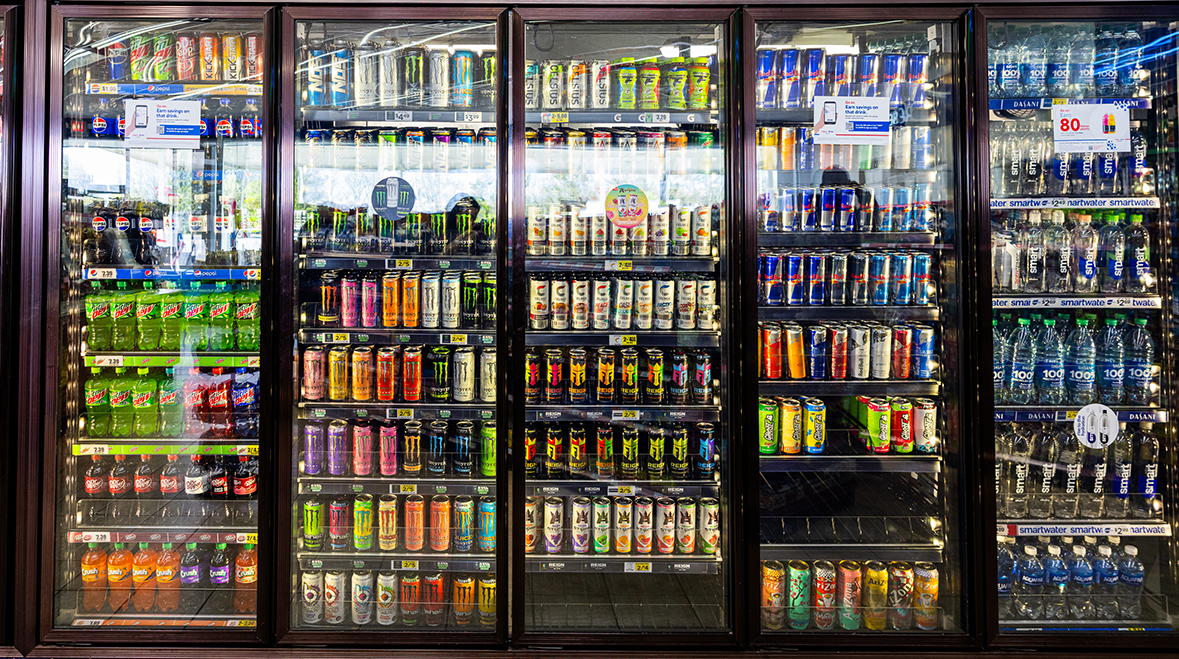
If you want to understand what is going on inside your store, the first place to go is the cooler. The cooler tells you the story your numbers are trying to hide.
When you walk up to those doors, what do you see? So many logos, colors, and designs all lined up and facing forward like merchandising therapy. But are you seeing money? Are you seeing real decisions being made about placement, pricing, and pacing? This is what makes the cooler the most consequential part of your store.
“Choosing clarity over chaos might be the smartest merchandising move you ever make.”
Coolers get more real physical interactions in a day than anywhere else. People open those doors instinctively, even if they come in for something else. The average customer trip starts with a look inside a cooler, whether they buy from it or not, meaning the cooler influences how people think about your store. It shapes their impression of you and it shapes their wallet behavior.
And yet so many operators treat it like the last thing on their to‑do list. They fill it with what was on the sell sheet this week, assuming once they set it, it will take care of itself. If you’ve ever wondered why your cooler isn’t producing the way you think it should, that’s the heart of the disconnect. Coolers are living systems changing with customer preferences, weather, local events, vendor promotions, and new product releases. If you don’t interact with it regularly, it becomes static, and possibly irrelevant.
Most stores who look at their cooler once a month make decisions that feel like improvement but don’t actually move the needle, putting up a new sign or adding a new SKU because a rep dropped it off. Then a few weeks later they notice slow sales but wonder why. The answer is always right there in the doors. If half your set hasn’t moved in fourteen days and you don’t notice, your not merchandising well.
“If your set is built on national trends without reflecting local rhythms, you are trying to match a pattern that doesn’t fit your customers”
Your cooler is more like an ecosystem rather than a static display case. Some products feed traffic, others feed margin, and some quietly sap both without you noticing until you see the report at the end of the week, or the end of the month. Instead of thinking of SKU count or vendor mix as goals, think of them as variables that need to be questioned constantly. If something isn’t contributing, the fact that you’ve always stocked it shouldn’t keep it there.
One of the biggest errors we see with merchandising is treating the top shelf like valuable space. If a customer has to stretch, squint, or step closer to see what’s on the top shelf, that item has already lost some of its sales potential. Most purchases come from eye level and just below. That is where impulse happens. That is where familiarity lives. That is where you want your winners. Not “winners” in the sense of items that will always sell, but items that are new and produce good margin. If a customer already knows what they are looking for, they will find it. To find something new it needs to be at eye level. Yet it is so common to see slow movers reserved for the best position while the real profit producers get buried. This tells me the person who last reset the cooler didn’t ask enough questions about what mattered.
Next time you walk the doors, note what is empty early in the day. Notice what remains full after a week has gone by. There is no mystery in these patterns, it reveals your store’s pulse and the products your customers care about. This information can help you decide what new products to add.
Another aspect that doesn’t get enough attention is adjacency. The products your customers have within reach at the moment they are making a decision matter a lot more than we admit. If someone opens a cooler for a drink, are you giving them a reason to consider a snack right next to it? Or is that snack buried across the aisle? Small decisions like putting complementary items closer together make buying easier for your customers, and easier buying is always bigger tickets.
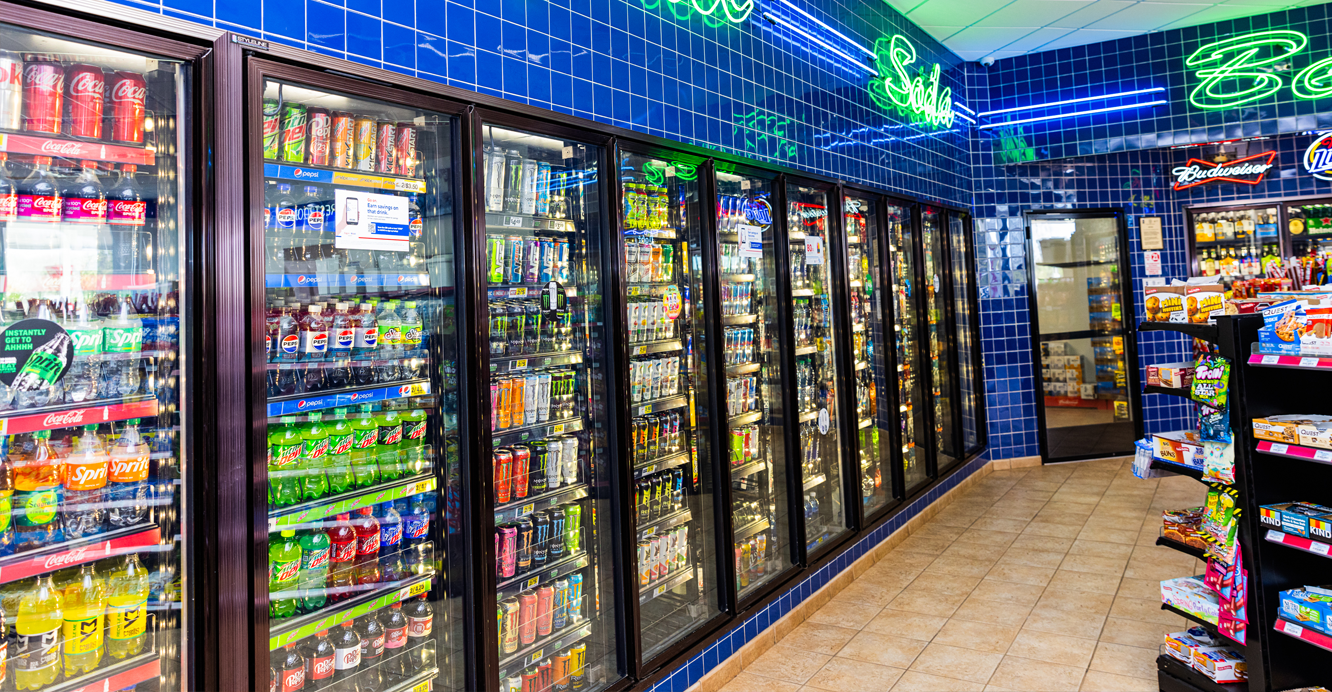
Merchandising is also about context. A store near a school might need to think differently about bottled waters and flavored drinks late in the afternoon than a store near a worksite that sees its busiest activity before lunch. If your set is built on national trends without reflecting local rhythms, you are trying to match a pattern that doesn’t fit your customers.
A lot of operators talk about balance. They want a set that looks complete, but completeness doesn’t mean profitable. If 20 percent of your set produces 80 percent of your movement, that 20 percent should be driving more of your attention. Recognizing it does not mean ignoring the rest of your assortment, it means being honest about what’s working so you can support it with the right real estate, the right pricing, and the right cross merchandising.
Pricing itself is a tool too many owners let go unshaped. Most stores price their cooler products based on habit, or because a rep gave them a recommended number. But customers notice pricing and remember pricing. If a bottle of water at your store is significantly higher than the store across the street, most people will buy a different water or skip buying one altogether. Pricing does not have to be the lowest in town to be effective, but it should feel fair. If people leave the cooler without buying because it feels out of sync with value, the cooler is failing its job that day.
One way to test this is to watch how people use the cooler during different times of day. You might find that early morning trips are dominated by coffee, bottled water, and simple juices. Later in the day, the mix shifts toward energy drinks and fountain pairings. If you see differences like that, your set should flex with it. Too many stores set it and forget it, living with an assumption rather than living with the reality of their traffic patterns.
“Too many stores set it and forget it”
Talking to your team about what they see during their shifts is another overlooked advantage. You might not be there every hour, but your staff is. Do they notice patterns? Do they watch customers pick up certain products together? Do they see customers regularly picking up a new item you are showcasing but not actually purchasing? Do they hear questions about combinations that would tell you something about what to stock more heavily? In a lot of stores the team is the best source of real information. They see it happen every day. Creating a simple habit of asking them what they noticed about cooler behavior can spark ideas you might not see in a spreadsheet.
Making merchandising decisions that actually make you money is not about complexity, it’s about clarity. Clarity about your store’s patterns, what your customers value, and how the products interact with each other in the space you have. When you think of the cooler as something you manage, not something you fill, noticeable changes begin happening. You start noticing patterns instead of noise, and over time your decisions start to feel less like guesswork and more like strategy.
There will always be new categories to explore and new vendor ideas to consider, but if you cannot master the basics of what you already have in front of you, chasing those ideas won’t make your store more profitable. When you slow down, look closely, and make intentional choices about your assortment, placement, and price, the cooler becomes less of a burden and more of a profit center.
That’s the difference between thinking like a store owner and thinking like someone who is trying to keep up with someone else’s idea of what a store should be. Choosing clarity over chaos might be the smartest merchandising move you ever make..
Resource Link
CStoreDive: 8 Trends That Will Define Convenience Retailing in 2026 Convenience Store News: C‑Store Operators Face 2026 With Mixed Opinions LinkedIn: Retail Technology Friction Commentary
Share:
Newsletter
Stay Informed with
Top Headlines
Category






Insights and trends shaping U.S. convenience retail.
Content is provided for informational purposes only and does not constitute legal, financial, or professional advice.