Every year there is a new set of tech promises: faster checkouts, seamless integration, predictive inventory, and more. Loyalty programs that magically create repeat visits. And sometimes we are faced with the idea that spending tens of thousands more on a certain technology will automatically fix problems we have faced for years.
If you have been in this business long enough, you know there is always something new trying to sell you on the idea that your store is a few clicks away from being the next big thing, or at least one click away from far fewer problems. The narrative works great for vendors and consultants, but it doesn’t work so well for those of us trying to manage payroll, stock orders, and manage equipment repairs, all in the same week. Sometimes it seems like all the same stuff every week.
That’s why this conversation about point-of-sale systems needs to be real. What technology is genuinely improving operations, and what technology is creating headaches that use up time and cash with no ROI?
“A good technology investment should reduce repetitive tasks, make your data easier to trust and free up your time for higher value activities like customer service or strategic pricing.”
The first thing to understand is that the POS system should serve your store, not the other way around. A POS that makes your morning easier, that gives you clear, accurate sales data without a dozen manual corrections, that helps you track categories and pricing without mystery, that is worth having. A system that promises digital loyalty, AI forecasting and real-time price optimization but leaves you spending hours fighting inaccurate data or training staff on complicated screens is not. That is what I mean by the POS trap. You can be sold on innovation without being sold on actual usefulness.
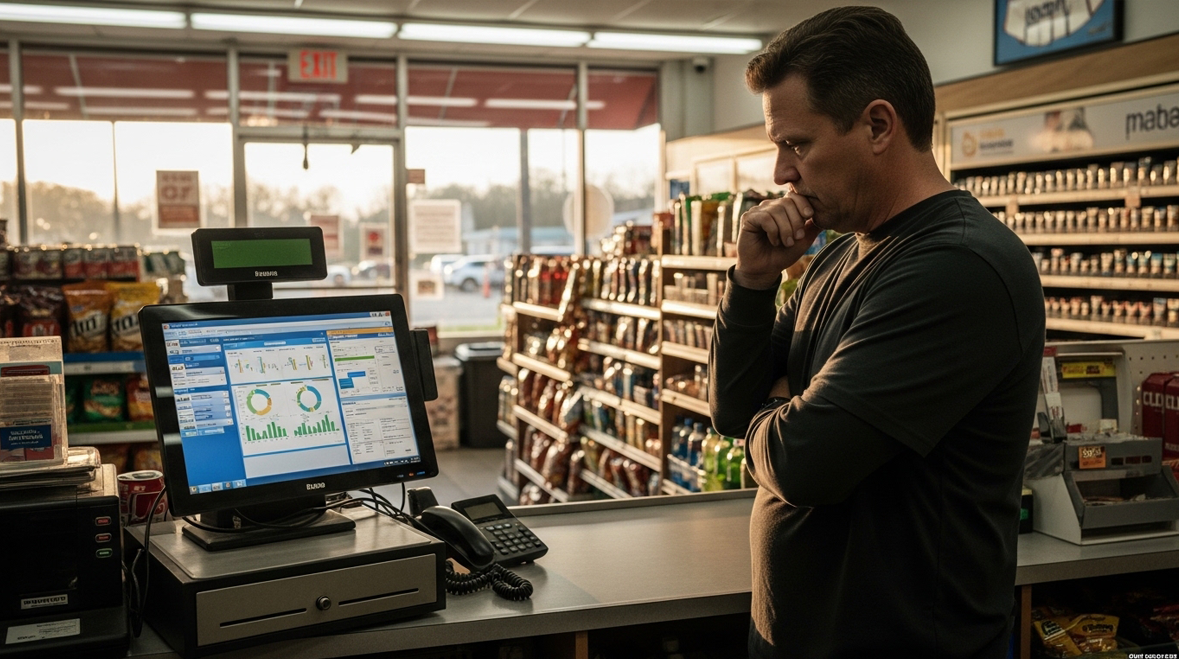
One of the biggest complaints is that the upgrade feels like a downgrade. They wanted better reporting but got more complexity. They wanted smoother transactions but ended up with longer lines because the cashier is navigating screens rather than helping customers.

So what should you actually be looking for in technology? Look for improvements that remove friction, not add to it. If your current system is clunky when adding price changes, changing tags, or printing reports, an upgrade that fixes those issues is worth considering. If your current system already gets the basics right and the vendor is pitching a module to automate tasks you rarely struggle with, take a hard look at whether that is actually a solution you need.
It also helps to be clear about what your store needs now versus what might be nice someday. Too often operators hear about a flashy tech tool that is working for someone else and assume it will work for them. The vendor narrative is good at making the future sound urgent, but often the reality is that every dollar you spend on technology should be judged against what it will save you in labor, shrink, pricing errors, and confusion.
“If you don’t have clear procedures and standards in your store, all the upgrades in the world will just make your chaos prettier.”
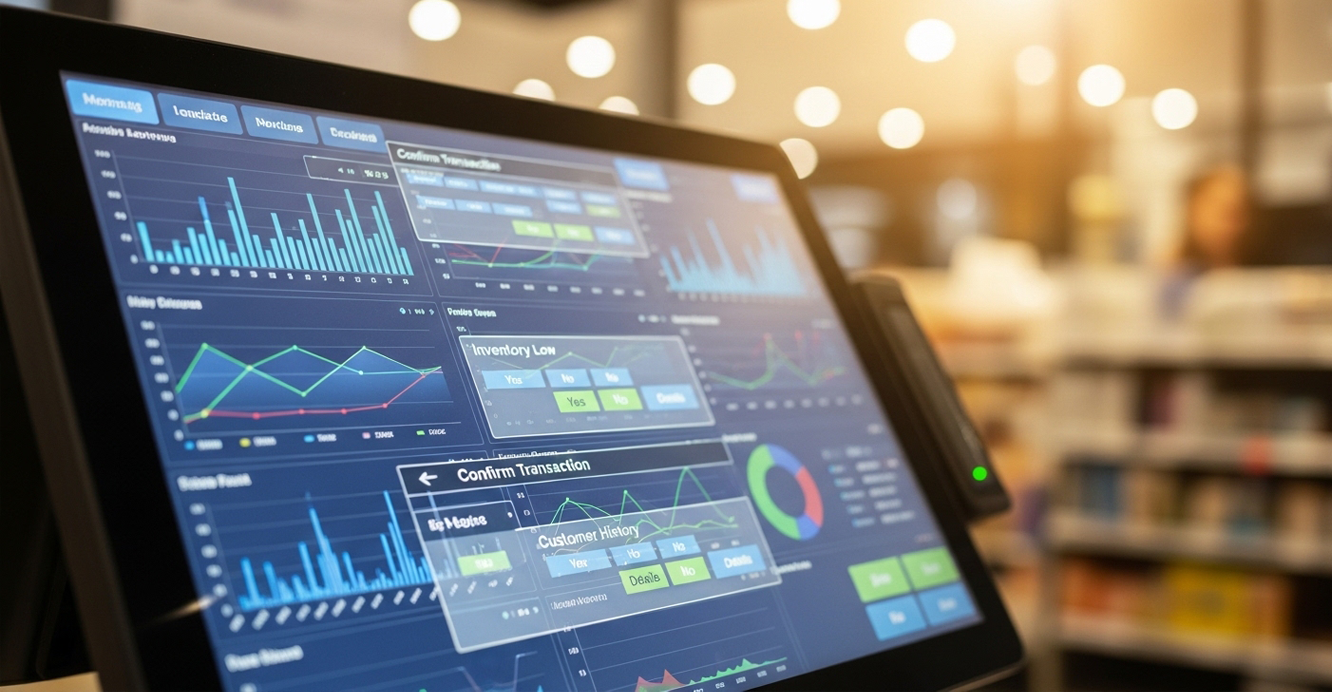
Data accuracy is another part of this conversation that gets overlooked. You can spend a lot of money on systems that promise insights, but if the underlying data is not reliable due to poor integration, or manual overrides, the so-called “insights” are worthless. Too many times operators stare at dashboards full of color graphs and charts while the actual numbers they need to run their business are buried, or worse, they’re wrong. In that case the newer system actually makes decision making harder because it gives a false sense of clarity.
Then there is support. A technology is only as good as the people who answer the phone when you don’t know how to do something or when something goes wrong. You can have the fanciest software, but if your support calls go to a call center where no one really understands your setup or your needs, you are essentially flying blind when you hit a snag. For most operators, reliable local support makes a huge difference, and is always better than the bells and whistles. When someone can remotely see your screen, understand your configuration and walk you through a fix without a lot of jargon, it is invaluable.
Focus first on what will improve your basic daily operations. Do you spend time every Monday morning fixing your price book? Are you constantly correcting tax codes? These are the kinds of friction points that are worth solving, because they save you time and pain. Time and pain cost real money in a store environment.
On the other hand, features like automated digital loyalty or complex predictive ordering tools often fall into the “nice to have” category. They can be valuable, but only after the basics are stable and reliable. Loyalty programs, for instance, only work when you have a dependable means of tracking customer behavior and a consistent way to engage them. If your POS is still struggling with basic ticket accuracy, adding a loyalty layer won’t fix issues that were already there.
I often think about technology upgrades in terms of clarity. Does this change make my daily life clearer and more manageable, or does it move complexity from one part of my business to another? If an upgrade is primarily shifting complexity onto your staff or creating more to learn without a clear efficiency gain, that is a red flag. A good technology investment should reduce repetitive tasks, make your data easier to trust and free up your time for higher value activities like customer service or strategic pricing.
Pricing is itself something that POS systems can help with if implemented thoughtfully. A good system should make your pricing clear and simple to adjust, not hide it in layers of screens where mistakes happen easily. There is no replacement for watching your own numbers and having simple access to category margin, margin trends and comparison reports. If your system does not make that easy, it is not worth the monthly fee you are paying for it.
One of the biggest traps is believing that a new system will fix a store’s fundamental issues. If your problems stem from inconsistent processes, untrained staff, pricing that is out of market or poor category discipline, a new POS is not going to fix those things. You can get the best tech money can buy, but if you don’t have clear procedures and standards in your store, all the upgrades in the world will just make your chaos prettier.
“Investing in technology should be intentional and incremental.”
Investing in technology should be intentional and incremental. It should start with the question of what problem you are solving, not what the vendor says you should be solving. The answer to that question is where you find real value.
2026 is not the year of endless upgrades, it’s the year of practical decisions. You do not need the shiniest system. You need the system that helps you run your store with confidence, that gives you trustworthy information without a learning curve that feels like it was designed for another industry, and that responds when something goes sideways. That is the kind of technology investment that actually makes money.
Resource Link
CStoreDive: 8 Trends That Will Define Convenience Retailing in 2026 Convenience Store News: C‑Store Operators Face 2026 With Mixed Opinions LinkedIn: Retail Technology Friction Commentary
Share:
Newsletter
Stay Informed with
Top Headlines
Category




Insights and trends shaping U.S. convenience retail.
Content is provided for informational purposes only and does not constitute legal, financial, or professional advice.