
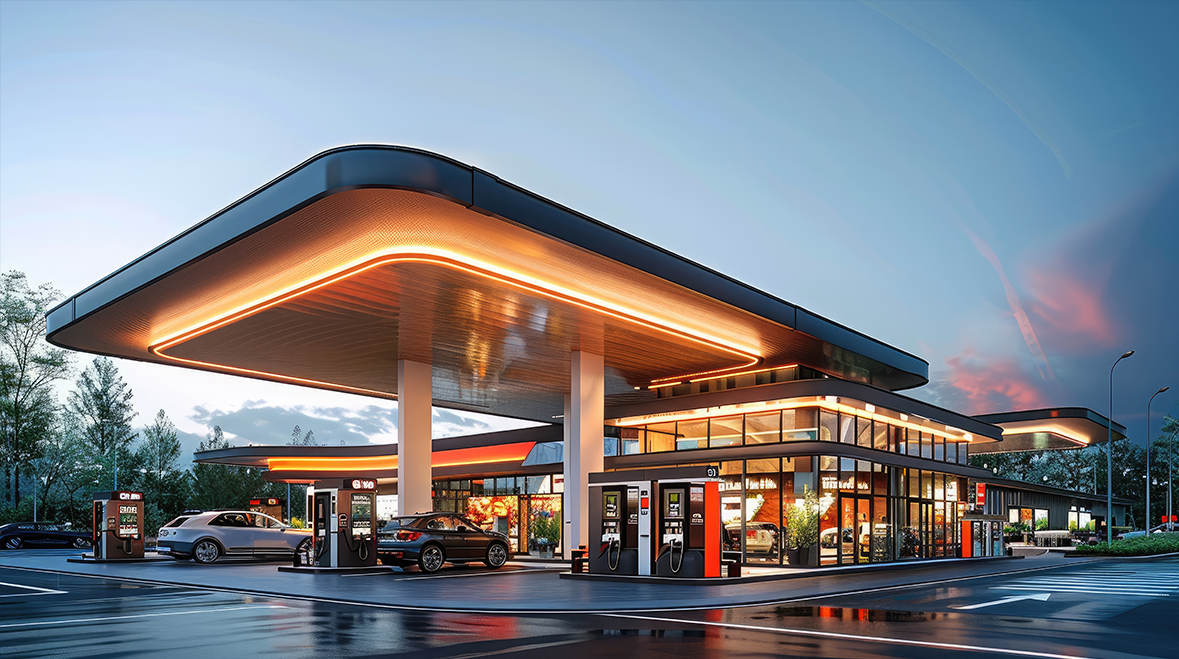
As the convenience store (C-store) industry looks ahead to 2025, it stands at a fascinating crossroads. The past few years have brought unprecedented challenges, yet they have also illuminated the incredible resilience and adaptability of small to mid-sized C-store owners. With shifting consumer preferences, advances in technology, and evolving economic landscapes, the year ahead promises both challenges and opportunities for those ready to navigate this dynamic environment.
Reflecting on the last three years, the C-store sector has undergone notable transformations. In 2022, the industry achieved record in-store sales of $287.7 billion, marking a strong recovery after the uncertainties of the pandemic years. Customers increasingly sought convenience, and stores rose to meet that demand with improved product offerings and operational efficiency. However, 2023 presented its own hurdles. Rising inflation, ongoing supply chain disruptions, and evolving consumer habits caused overall industry sales to decline. Yet, amid these challenges, in-store sales continued to grow, signaling a robust demand for convenient retail experiences. By 2024, while sales saw a further slight dip, the average transaction size grew, suggesting that customers were buying smarter, if less frequently.
As 2025 begins, the outlook remains optimistic. Consumer trends and economic shifts are reshaping the way C-store owners approach their businesses, offering exciting new pathways for growth. One of the most significant nationwide trends is the continued evolution of foodservice offerings. No longer limited to pre-packaged snacks and basic drinks, C-stores are elevating their menus to compete directly with quick-service restaurants. Freshly prepared meals, globally inspired flavors, and higher-quality options are driving this shift, attracting customers who value both convenience and quality. The focus on foodservice reflects a broader trend: today’s customers expect more from convenience stores than ever before.
Another transformative trend is the integration of electric vehicle (EV) charging stations. With over 2.4 million EVs now registered in the United States, the demand for accessible charging options is growing rapidly. C-stores are increasingly incorporating these stations, recognizing that EV owners represent a valuable new customer base. While their cars charge, these customers are likely to explore in-store offerings, presenting a unique opportunity for C-stores to extend their reach. This shift also signals a broader commitment within the industry to embrace sustainability and technological innovation.
Technology is playing an even larger role in reshaping the C-store experience. The rise of cashierless stores is one example, with major retailers experimenting with systems that allow customers to grab items and go, bypassing traditional checkout lines. These innovations are designed to enhance customer convenience while streamlining operations. Although the rollout of such technologies remains in its early stages, it offers a glimpse into a future where C-stores can serve customers faster and more efficiently than ever before.

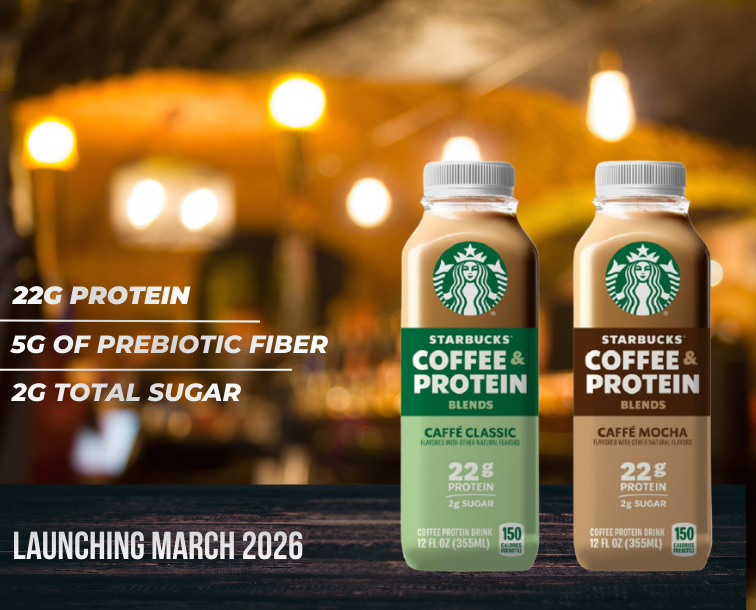
Meanwhile, health and wellness continue to influence consumer choices in profound ways. In-store shelves are being stocked with products that cater to health-conscious shoppers, from organic snacks to low-sugar beverages. This shift reflects broader societal trends as consumers seek options that align with their personal health goals. Interestingly, while traditional indulgent snacks remain a staple, the demand for “better-for-you” products is driving significant changes in how stores curate their offerings. This delicate balance between indulgence and health is becoming a defining characteristic of the modern convenience store.
In the Southeastern United States, these national trends are taking on unique regional flavors. This part of the country, known for its hospitality and thriving tourism, presents distinct opportunities and challenges for C-store owners. The region’s population continues to grow, particularly among younger demographics. These customers bring with them expectations shaped by their tech-savvy lifestyles and diverse tastes. Stores in the Southeast are increasingly catering to this younger audience by adopting modern technology and expanding product lines to include global and specialty items.
Tourism also plays a significant role in shaping the market in the Southeast. The steady influx of visitors drives demand for convenience items tailored to travelers, including grab-and-go meals, travel-friendly packaging, and regional specialties. For C-store owners in this area, understanding the needs of both local and transient customers is essential to staying competitive.
At the same time, the Southeast’s susceptibility to severe weather presents unique challenges. Hurricanes and other natural disasters often disrupt supply chains and require stores to operate with heightened flexibility and preparedness. Over the years, C-stores in this region have developed strategies to manage these disruptions, further showcasing the resilience and ingenuity that define the industry.
Looking ahead, the industry’s trajectory remains promising. While challenges such as fluctuating fuel prices, economic pressures, and competition from online retailers persist, C-store owners have proven their ability to adapt and thrive. The ongoing shift in consumer behavior—where convenience, quality, and personalization intersect—positions the industry for continued success. Whether through technological adoption, innovative product offerings, or a commitment to understanding their customers, C-stores are poised to remain indispensable fixtures in the retail landscape.
For small to mid-sized C-store owners, especially those in the Southeast, the outlook for 2025 is one of opportunity. By recognizing the broader trends shaping the industry and the unique dynamics of their local markets, these business owners can position themselves for growth and resilience. As the year unfolds, the convenience store industry will continue to evolve, demonstrating once again that its greatest strength lies in its ability to adapt to the needs of the communities it serves.
Jan 07, 2025
Share:
Newsletter
Stay Informed with
Top Headlines
Category


Insights and trends shaping U.S. convenience retail.
Content is provided for informational purposes only and does not constitute legal, financial, or professional advice.