Why Basket Size Matters More Than Foot Traffic
There was a time when success metrics were simple. More people through the door equaled more sales. More fuel transactions meant more opportunities to sell inside. Today, that logic still exists in theory, but in practice it has fractured. Fuel trips are flatter than they used to be. Fuel efficiency has improved, remote work patterns have changed commuter behavior, customers are more deliberate about how and why they enter a store, and electric vehicles are here to stay. Convenience store operators have to think not just about how many guests walk through the door, but what happens once they’re inside.
Foot traffic still matters. But in 2026, basket size and units per trip are far more consequential to profitability than raw headcount. An operator who turns 200 customers a day with an average basket of three items will almost always outperform one who turns 250 customers with a basket of one or two items. The strategies that drive more sales per trip are not simple, it requires intentional merchandising, smart category placement, promotions that matter, and an understanding of the mission that brings someone into your store in the first place.
“Basket size and units per trip provide a clearer view of how well a store is capturing the value inherent in each visit.”
The idea of a “mission‑driven trip” simply recognizes that most customers are not wandering aimlessly when they enter a convenience store. They come in with intent: a cold drink, a snack after school, a quick meal on the way to work, a forgotten household item, or a specific brand they trust. The more you can satisfy that intent, and meet additional needs once the customer is in front of those products, the larger the basket becomes.
Let’s look at foodservice as an example. Customers who come in for a sandwich or burrito often pick up a drink and perhaps a snack or two. That simple combination of one intentional purchase and one or two impulse buys significantly increases average transaction value. When merchandising is aligned with mission, these additional picks feel natural to the shopper. It doesn’t feel like an upsell, instead it feels like completing the mission in the most efficient, satisfying way possible.
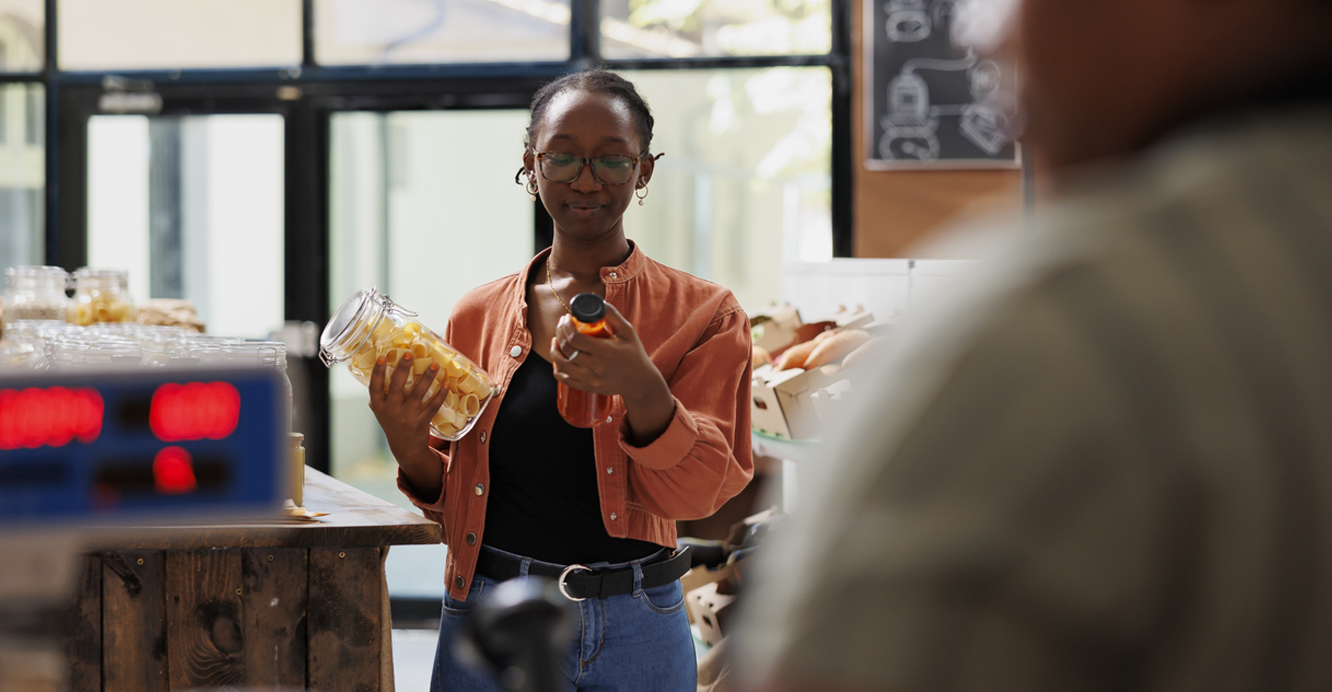
Efficiency is a core part of the convenience story layout. When customers enter a store, they want to get in and out quickly, and they want clarity around where their item is and what price they’ll pay. Confusion or clutter can create friction that suppresses additional purchases. A store that merchandises with mission in mind, which includes clear sight lines, logical groupings, and intuitive adjacencies, helps customers complete their mission and invites them back for more.
This is where understanding your local customer base becomes critical. It will look different in a rural store versus a high‑traffic suburban location. The missions that drive visits can vary by the time of day as well. Morning customers might be driven by coffee, breakfast sandwiches, and energy drinks while lunch trips might be sparked by foodservice deals and packaged snacks. By examining transaction data at different times of day, operators can begin to see patterns and optimize their merchandising to match.
If coffee sells early and foodservice sells at lunch, those categories should anchor adjacent spaces that naturally lead customers toward additional purchases. Drinks near the register make sense if impulse snacks are right there too. Bakery or heat‑and‑serve items perform best when placed along a path that feels unavoidable on the way to checkout. When done well, all of these things increase sales dollars per trip in ways that feel organic to the shopper rather than forced.
Merchandising with mission also means making category choices that reflect customer needs and value expectations. Some categories are naturally complementary. A cold fountain drink, for example, pairs well with a breakfast burrito or a hot sandwich in a way that feels thoughtful to the customer. Customers often think in bundles: “I need lunch; I want a drink; I might as well grab a snack.” If your store’s layout makes that easy without adding friction, then your store becomes connected to their emotional experience of ease, and they will return.
“In an era of changing trip behavior, it is one of the most important strategies an independent operator can deploy.”
Promotions play a role too, especially when they are tied to intuitive combinations rather than random discounts. Buy‑one‑get‑one deals still have a place, but what moves baskets more predictably are offers that solve a customer need while increasing units. A small discount on a lunch combo can make that customer choose your store over another. A price incentive on a drink when purchased with a branded snack can do the same. The key is that the promotion feels like a help rather than a push. It feels aligned with what the shopper already came in to do.
Alignment is where merchandising and promotions intersect with psychology. Customers think in goals: “I need lunch,” “I need something cold,” “I want fuel then a coffee”, and operators can use this goal‑oriented thinking to structure merchandising that fits with customer missions. The shelf that highlights a daily deal works better when it matches the logical path through the store. The splash signage for a combo is far more effective when placed at eye level where the customer expects to see it. It’s not about cluttering the store with labels; it’s about clarity in context.
There’s also a difference between category push and category support. Category push is when promotions feel broad and generic; category support is when the offer feels purposeful and mission aligned. A discount on a beverage might feel generic. A discount on a drink when purchased with a select food item feels purposeful because it reflects how customers actually think and shop.
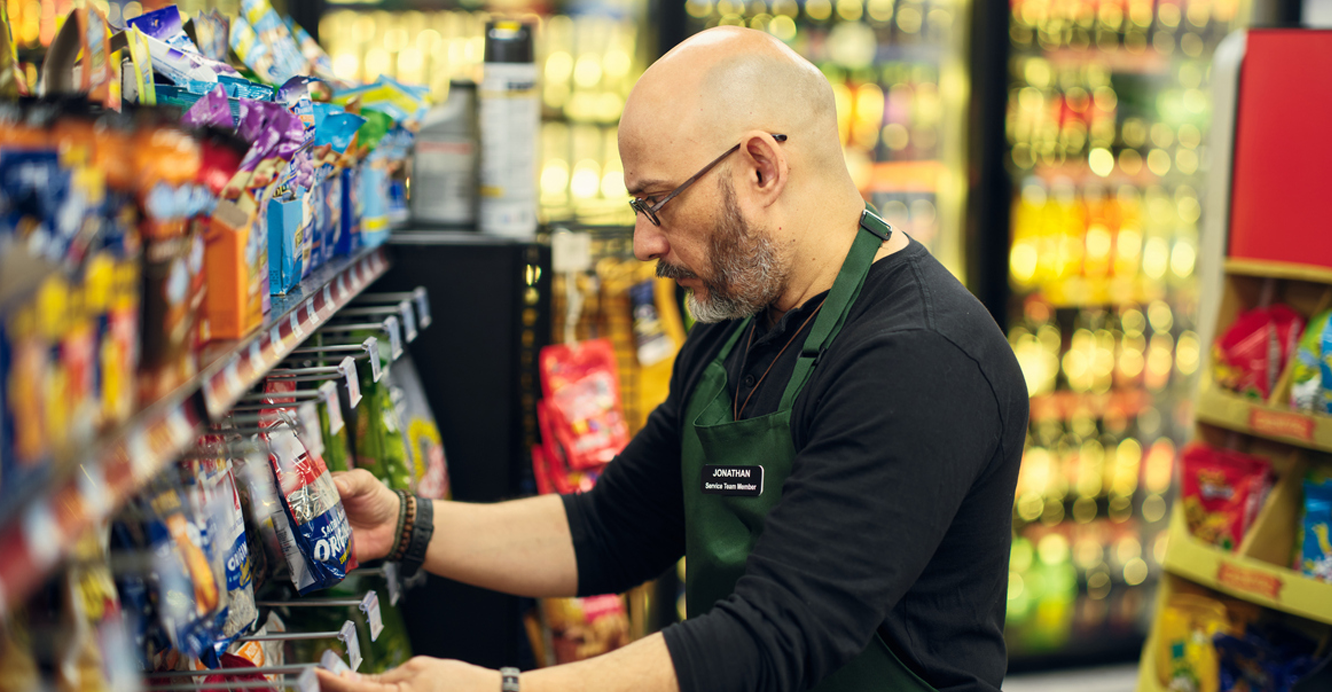
Another driver of mission‑based basket growth is loyalty data. Loyalty programs give operators insight into repeat behaviors and customer preferences at a granular level. If loyalty data shows that a segment of your customers frequently pairs coffee with a particular snack, that is an insight you can use in both merchandising and targeted promotions. A loyalty member who comes in for coffee might be more responsive to a bundled offer on a paired item. Using loyalty analytics in this way turns transaction history into a tool for shaping basket behavior.
But you don’t need a sophisticated loyalty program to think mission‑first. A store that understands its customers will see opportunities to organize the store in ways that make additional purchases intuitive. Not just what and when they buy, but why they buy. Even simple observational insights at the register can guide changes: noticing that people who buy breakfast sandwiches often grab a bottled drink back near the cooler? Put those items closer together. Seeing a pattern where fountain sales jump when signage is obvious near the entrance? Double down on that visibility.
Update your assortment thoughtfully. Growth categories that reflect customer needs should be curated to match the most common needs, and wants, in your market. Too much excess in slow‑moving products creates clutter and distraction. A focused assortment that speaks to distinct mission sets — morning needs, lunch solutions, afternoon refuels, evening essentials — helps guide customer choices in ways that increase units per trip.
“Alignment is where merchandising and promotions intersect with psychology.”
None of this should feel artificial or manipulative to the shopper, nor should the reason you do it be artificial or manipulative. Good merchandising feels, and in reality is, intuitive. It anticipates needs without overwhelming the guest. It respects the customer’s time and choice by making options visible, logical, and aligned with purchase intent.
Foot traffic is still a useful metric, but it is no longer the best piece of data for success on its own. Basket size and units per trip provide a clearer view of how well a store is capturing the value inherent in each visit. A store with fewer, more committed missions can outperform one with more, less engaged passersby. That’s the math of mission‑driven merchandising.
At its core, mission‑driven merchandising is about recognizing why a customer walked in the door, helping them complete that purpose quickly and efficiently, and offering natural opportunities to add value that make sense to them.
A focus on basket size over foot traffic recognizes that in 2026, c‑store success isn’t defined by numbers of visitors alone, but by how effectively each visit turns into meaningful sales. In an era of changing trip behavior, it is one of the most important strategies an independent operator can deploy.
Newsletter
Stay Informed with
Top Headlines
Category

Insights and trends shaping U.S. convenience retail.
Content is provided for informational purposes only and does not constitute legal, financial, or professional advice.