Evolving Consumer Trip Behavior: What Declining Fuel Trips Mean for Inside Sales
For decades, convenience retailing has relied on fuel trips as the anchor of the business. The simple logic is that drivers need fuel, so they stop at your pumps, then they step inside to buy something. There is a lot that goes into managing the inside store: steered pricing, merchandising, labor scheduling, and everything from morning coffee placement to beer coolers near the front door. But as we move deeper into 2026, the anchors are shifting, influencing bottom lines and forcing operators to rethink how they run their stores and define success.
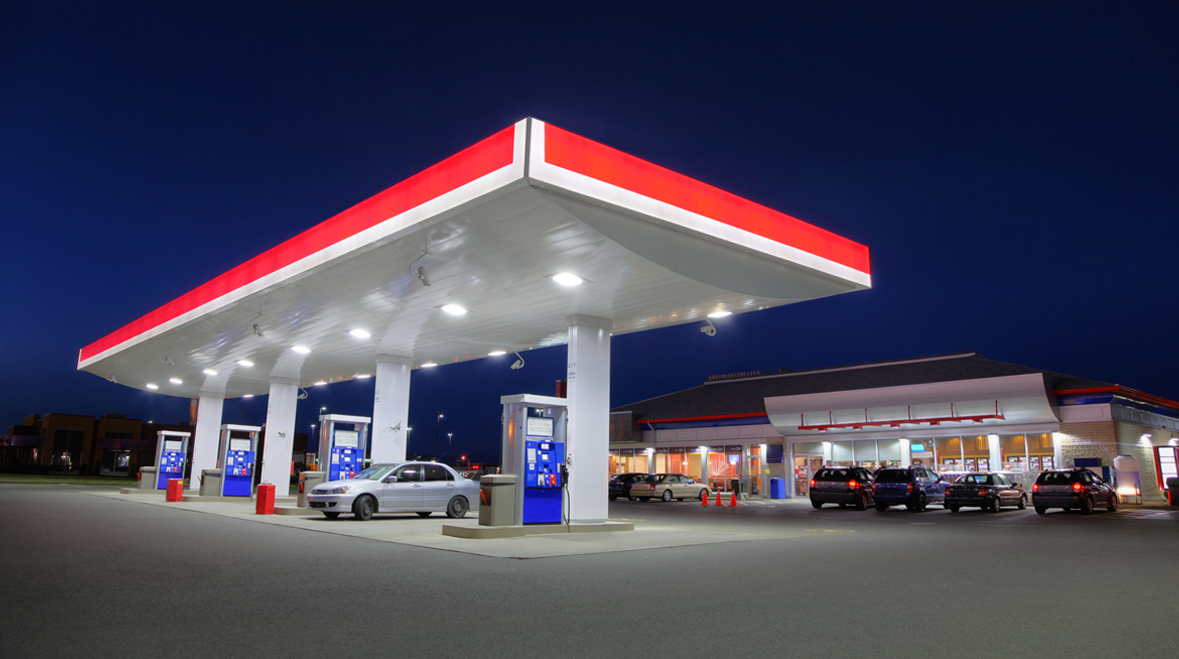
Over the past few years, total fuel gallons sold in the convenience channel have been flat or declining. While there was a modest uptick in 2024 into 2025, the underlying transaction behavior tells a more nuanced story. Lower average fuel prices, continued improvements in fuel efficiency, and more electric vehicles on the road mean fewer fuel stops, leaving operators with fewer guaranteed forecourt-to-store conversions and underscoring the need to make each trip inside the store count. Even when fuel volumes rise slightly, they do not necessarily translate to more steps through the front door or more profitable inside transactions. That has profound implications for independent operators across the Southeast.
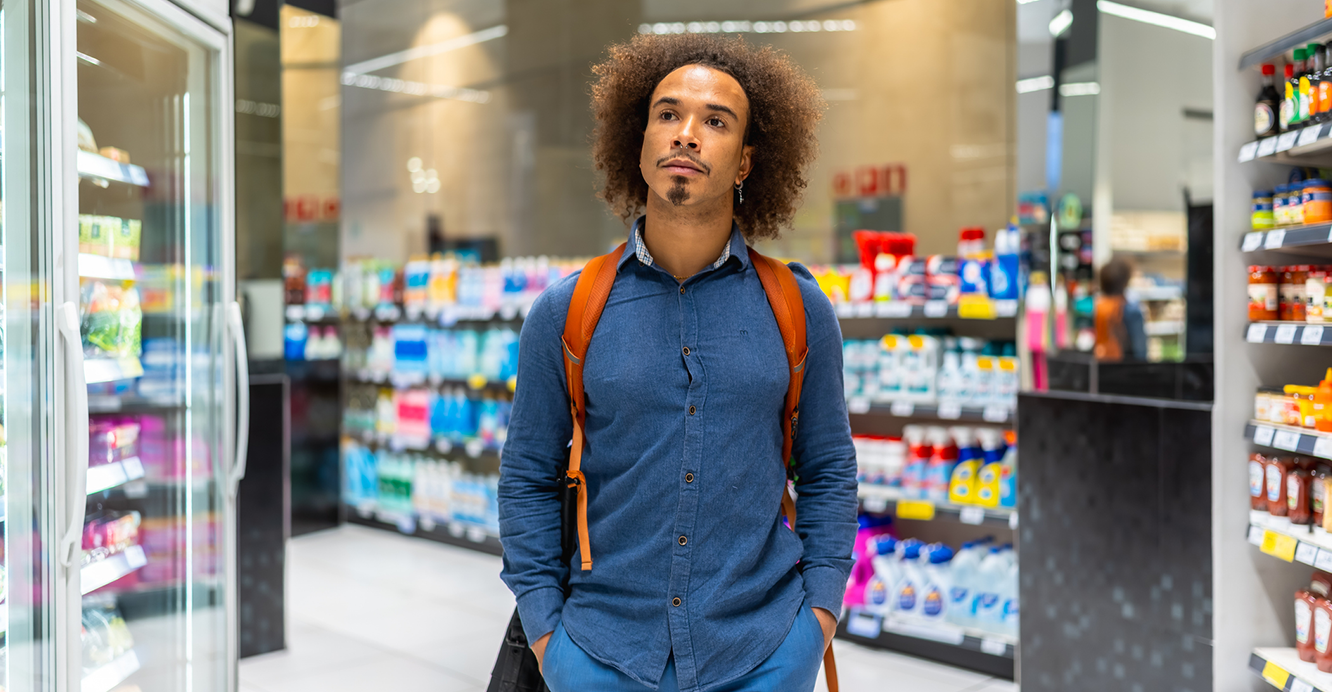
At the heart of this trend is something simple but easy to overlook: the number of fuel transactions has not been growing in any meaningful way. This is true even in the face of stable or slightly growing fuel revenue in certain periods. The result is a subtle but important shift in how consumers move and shop: fewer trips to buy fuel can mean fewer impulses to come inside, leaving operators facing a stark question. How do you compensate when the thing that traditionally brought customers through your doors becomes less reliable?
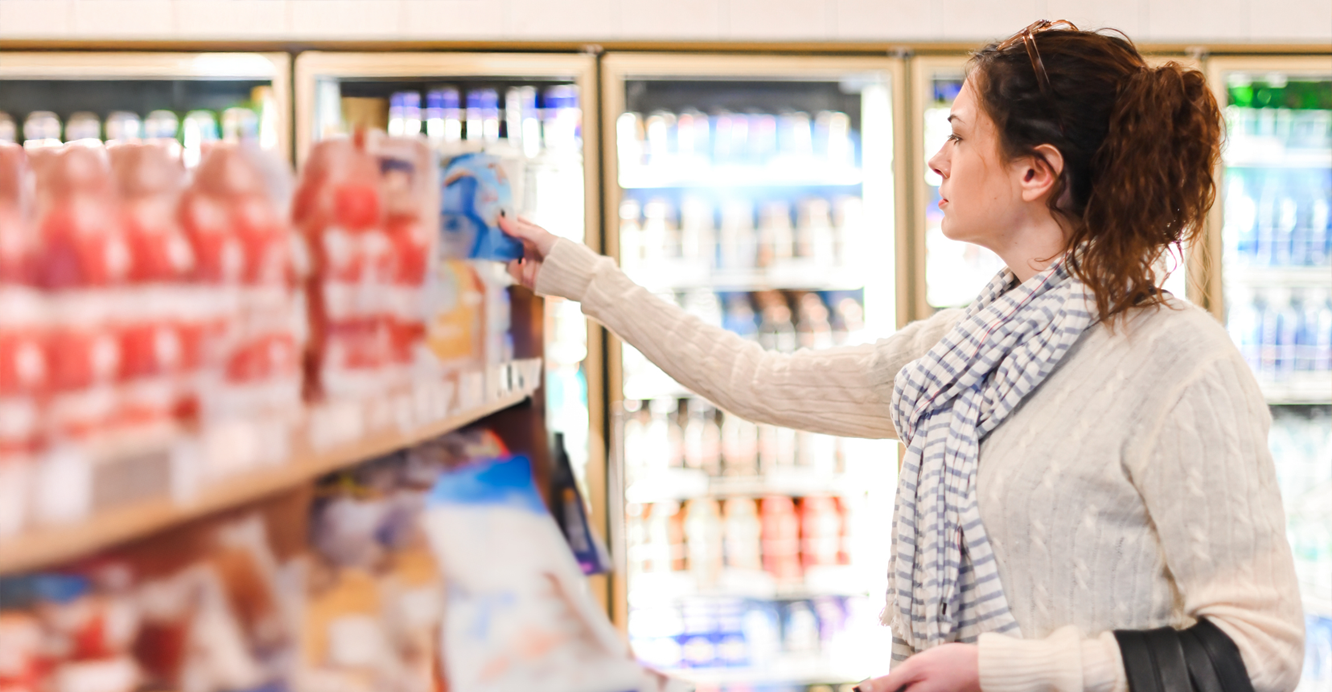
The answer emerging in conversations with operators and industry analysts is to rethink how profitability works in a convenience store. One of the clearest pivots being discussed and implemented is the increasing emphasis on inside sales. Not just growing revenue, but boosting the basket size and units per transaction on the trips that still happen. Even as total traffic flattens, average basket value has shown modest increases, which suggests that when customers do come inside, they are spending more per visit than they did a year or two ago. That incremental spending must become the focus of operational strategy if stores are going to thrive rather than merely survive.
Part of what operators need to understand is that the nature of trips is evolving. Traditional commuter patterns have softened. Remote and hybrid work means far fewer daily drives to an office, and higher fuel efficiency means drivers can go longer between fill‑ups. Even electric vehicle adoption nudges this shift further. Taken together, these forces are reshaping what prompts someone to stop at a c-store and what operators can reasonably expect from them.
This does not mean that fuel is unimportant. But it does highlight a need to diversify and leverage whatever trips you do have into the most profitable purchases possible. NACS research and industry benchmarking show that many of the categories that drive the most inside profit, such as packaged beverages, beer, and nicotine products, are also the categories that tend to accompany other purchases, making them natural complements when a customer comes inside. Keeping these categories in stock, merchandising them to simplify finding and buying, and ensuring they are part of a broader strategy to grow dollars can deliver measurable gains.
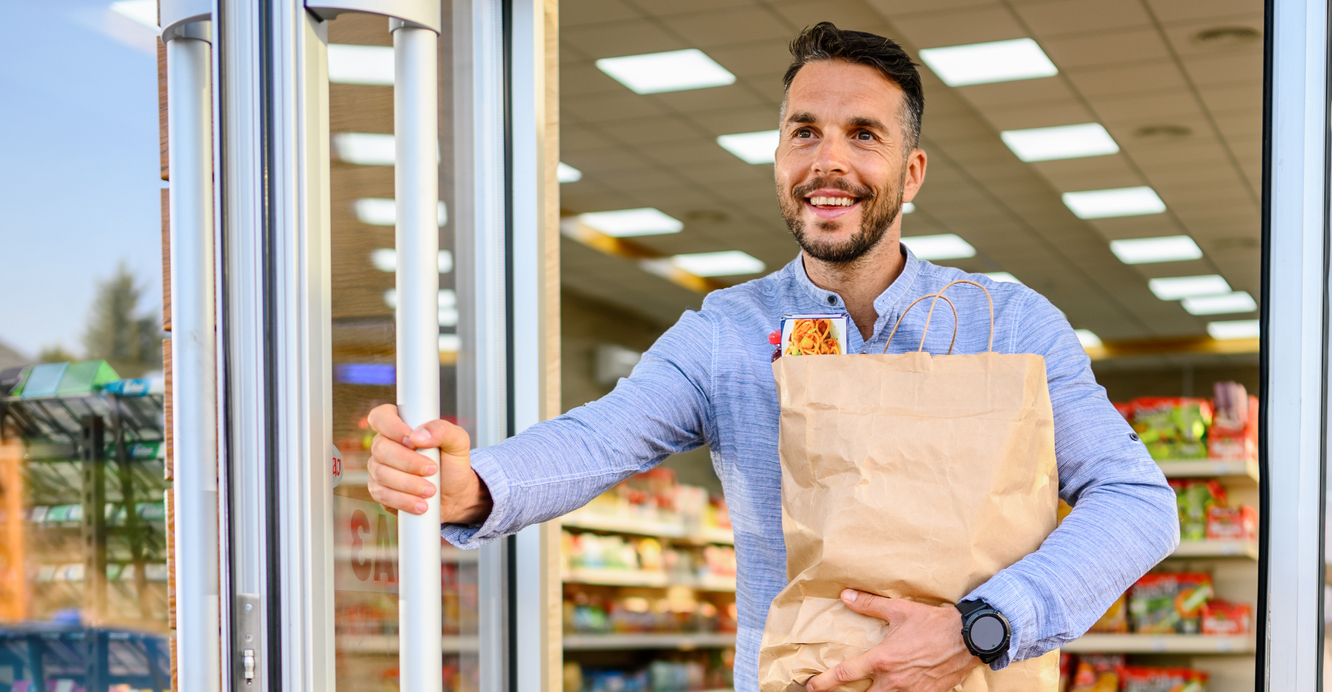
Another reality is that foodservice growth is one of the most promising ways to pull customers in and expand baskets once they are there. Foodservice already accounts for a significant share of in‑store profit dollars, and convenience stores with strong, recognizable offerings are seeing customers make deliberate trips specifically for a meal or snack. This has long been a strategic tack for larger chains, but independents with sharp execution in quality, speed, and value are increasingly tapping into this as a differentiator.
It’s worth acknowledging the other economic headwinds that play into these dynamics. Rising costs, tight margins, and competitive pressures from grocery and quick‑service restaurants all influence consumer behavior and operator decision‑making. When customers are feeling squeezed, they become more selective about where and how they spend, making every inside dollar even more precious and reinforcing the need to think about your store not as a sequence of separate fuel and inside businesses, but as an integrated experience where every element should be aimed at maximizing value per trip.
So what does this shift look like in practice for an independent operator? It starts with awareness that traffic patterns have changed, and adapting means going beyond traditional metrics like fuel gallons pumped to deeper ones like basket-size growth and units per inside transaction. Boosting these metrics, whether through smarter cross‑merchandising, focused foodservice strategies, or targeted promotions that reward multiple-item purchases, helps ensure that the trips you get are more valuable.
This strategy demands a more sophisticated understanding of shopper behavior than ever before. It requires operators to know what categories are pulling double duty, anchoring transactions, and enhancing baskets. It requires thoughtful placement so that high‑potential products are surfaced in ways that feel natural, not forced. And perhaps most importantly, it requires moving past the assumption that fuel trips by themselves are the bankable event they once were.
The real opportunity for c‑store operators in 2026 lies in treating each customer interaction as a chance to grow value by ensuring you are prepared for why a customer walks through your doors. This shift in thinking is neither simple nor automatic, but for those who master it, the result can be steadily more profitable even as the patterns of mobility and fuel consumption continue to shift.
As this year unfolds, the conversations among operators I’m hearing more often focus not on nostalgia for what fuel trips once guaranteed but on practical questions about how to reshape store experiences, from the forecourt to the register, so that baskets grow even as trips flatten. That pragmatic focus on what you can control, paired with real data about what shoppers actually want and buy, will separate the operators who adapt smoothly from those who struggle.
In the end, adjusting to these changing patterns is not about surrendering to a fuel‑less future. It’s about acknowledging that fuel is changing how it drives inside traffic and making sure your inside strategies are smart, intentional, and built for profit in the year ahead. What matters most isn’t how many times a customer pulls in to fill up; it’s what they’re looking for when they cross your threshold.
Resource Link
CStoreDive: 8 Trends That Will Define Convenience Retailing in 2026 NACS Magazine: What Will Power Convenience in the Year Ahead NACS: State of the C‑Store Industry Update NACS: C‑Store Foodservice Delivered Exceptional Growth
Newsletter
Stay Informed with
Top Headlines
Category

Insights and trends shaping U.S. convenience retail.
Content is provided for informational purposes only and does not constitute legal, financial, or professional advice.