Energy Surge: The Functional Drink Boom
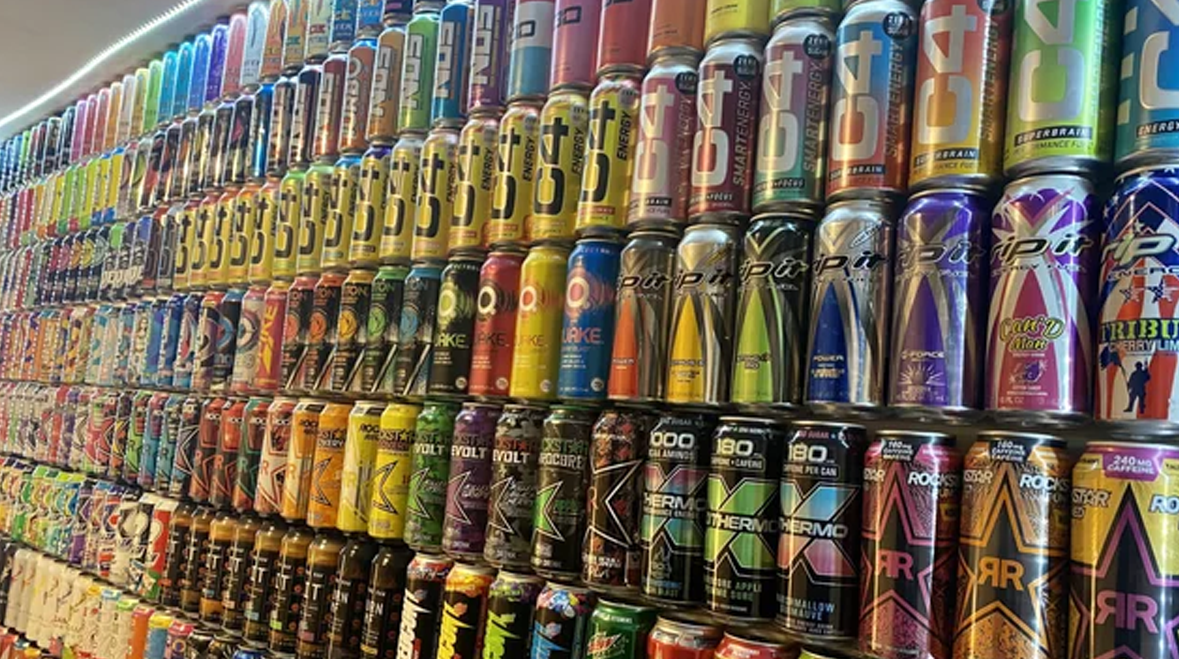
Stepping into a convenience store in the Southeast this July, you’re greeted by a vibrant row of energy drinks—towering cans in neon hues, zero-sugar blends, and tropical flavors competing for attention. It’s more than just display—it reflects reality: energy drinks now make up nearly 28 percent of all packaged‑beverage sales in c‑stores, surpassing sodas (26 percent) and sports drinks (15 percent), according to NACS/Circana data . Southeastern retailers report category growth of 6–8 percent annually—well ahead of national averages—fueled by rising demand for flavorful, functional, and lifestyle-aligned beverages.
This category’s expansion isn’t just driven by caffeine. It’s shaped by climate, consumer routines, and evolving shopper tastes. The Southeast’s sweltering summers and busy traffic corridors make energy drinks a natural pick-me-up. Add in a rise in social media–driven experimentation, and you have a market primed for premium, plant-based, wellness-leaning, and nostalgic beverage innovations—spreading awareness and elevating category relevance.
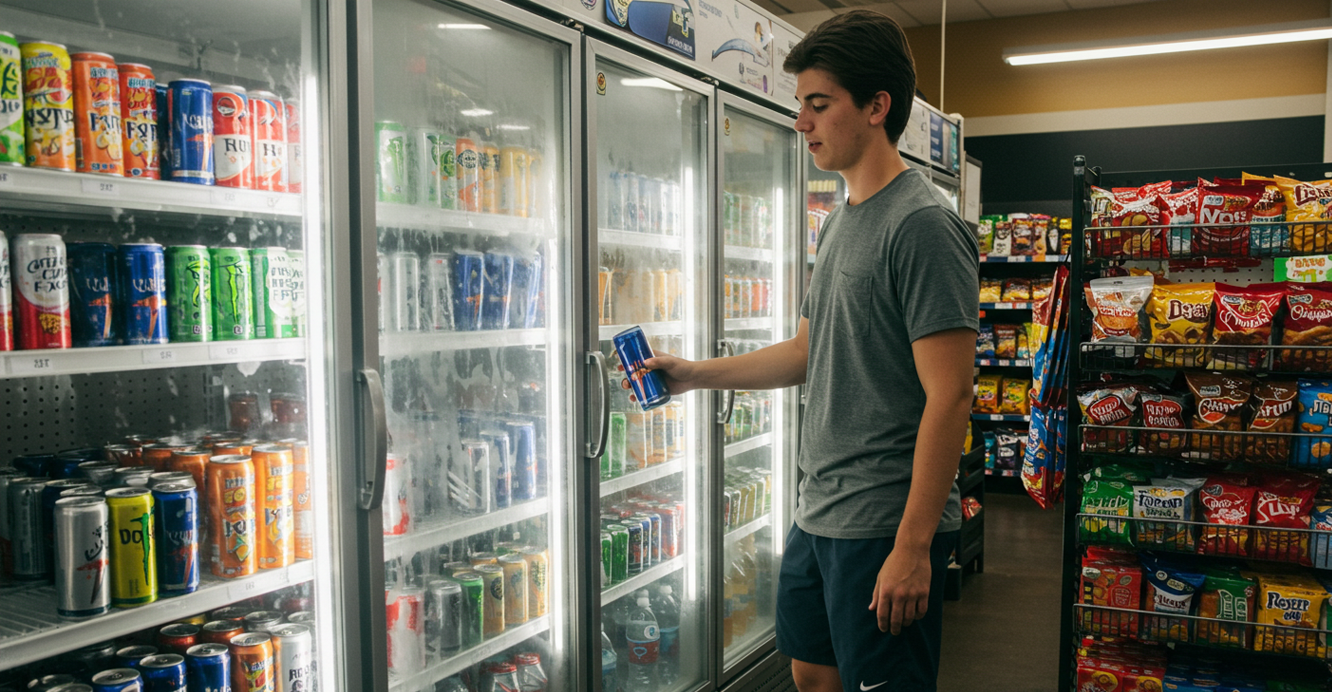
Monster Energy, already a staple in c‑stores, launched Ultra Blue Hawaiian—a zero-sugar, tropical-flavored version—in early 2025, and demand has surged regionally . Monster’s packaging, evocative of tiki cocktails, feels perfectly suited to the Southeast’s evocations of beach vacations and poolside refreshment. According to internal sampling reports seen in Jacksonville and Savannah c‑stores, Ultra Blue Hawaiian has lifted energy drink sales by up to 15 percent compared to summer 2024. Patrons describe the flavor as “crisp,” “not overly sweet,” and “a refreshing twist on caffeine”—attributes that convert impulse and repeat buys.
Monster’s approach recognizes more than raw caffeine—it taps into associative identity. Heat, leisure, and exotic taste come together in a single product experience. When such branding aligns with regional climate and psychology, conversions often follow. The energy drink’s success underlines the importance of targeting flavor innovation for seasonal relevance—an insight Southeast operators can replicate with merchandisers and planograms built around summer-ready items.
Bang Energy has distinguished itself through its high caffeine, vibrant branding, and gym/lifestyle associations. In Atlanta, convenience stores reported Bang outselling traditional sugar-laden sodas by 20 percent on college campuses—a reflection of its appeal to Gen Z and millennial shoppers seeking strong focus and energy. Bang packs 300 mg of caffeine per can—a punch that grabs attention, but it’s the savvy packaging and “supplement-like” ingredient list that foster trust among performance-driven buyers.

Bucked Up, with its blend of caffeine, BCAAs, and nootropics, positions as both athletic recovery and energy. Store owners in Greenville, SC, noted customers grabbing Bucked Up cans along with grilled chicken sandwiches—seeing it as a post-workout snack. This behavioral insight—tying energy drinks to foodservice upsell—translates into revenue beyond the cooler. Retailers report a 28 percent increase in basket size when foods are offered near wellness-oriented cans like Bucked Up.
Lucky Energy, by contrast, is built around clean-label transparency. Its minimalist can design and short ingredient list appeal to wellness shoppers in markets like Asheville, NC and Charleston, SC. Managers describe Lucky drinkers as more deliberate shoppers—checking labels, asking about sugar content, and pairing with probiotic or vitamin drinks. Adding Lucky to the cooler often brings a new demographic—women focused on wellness—into energy category transactions.
NOS remains rooted in performance and motorsport culture, with the brand still energized in motocross, car-tuning, and racetrack-adjacent communities. NOS sellers in northern Florida cite “repeat buyers in pickup trucks and gearheads” who see the drink as part of their identity. Limited-edition cans like NOS Stealth have spiked sales during local motorsport events by nearly 12 percent, proving the volatility potential of event-linked promotions.
Uptime is a newer entrant, leaning into mental focus and low-sugar messaging. Its launch in college markets—Tallahassee and Athens, GA—has demonstrated that energy drinks go hand in hand with study sessions and academic life. Students cited Uptime’s clean flavor and functional tagline (“Stay sharp”) as differentiators. For c‑stores near campuses, Uptime offers a fresh, health-forward option to broaden shelf reach.
Emerging Market Trends: Wellness, Nostalgia, and Innovation
Across the Southeast, consumers increasingly expect wellness benefits from their caffeine. Drinks infused with adaptogen botanicals—ashwagandha, lion’s mane, cordyceps—are moving from niche outlets into major cooler zones . One Asheville retailer described a 30 percent week-over-week increase in adaptogen-infused cans during a local yoga festival, attributing success to ingredient interest and on-hand sampler events. This reflects a shift away from raw caffeine to more holistic appeal—customers don’t just want energy; they want function and wellness. Powdered single-serve packets—marketed by other brands for focus, immune support, or recovery—are gaining shelf attention and versatility in service environments lacking large coolers.
Nostalgia is another powerful force. The re-launch of Jolt Cola in early 2025—with 200 mg caffeine in a zero-sugar 16-ounce can—has stirred buzz across Huntsville, AL, and Greenville, SC . The brand’s retro positioning has drawn curiosity from older customers who remember it fondly, and younger ones intrigued by its potency. Managers note that even a small display of Jolt yields strong age-crossing impulse sales—a phenomenon worth test-driving for operators seeking uniqueness.
Legendary brand Red Bull reportedly plans a Wild Berries flavor and a monk-fruit-sweetened variant by fall 2025 . Brands introducing second-generation sugar alternatives are proving to meet dual demand for flavor and health. Celsius, although not one of our advertisers, is also relevant here: the brand has dominated wellness-focused energy with 47 percent of category growth in 2023, supported by PepsiCo’s distribution muscle, projecting continued expansion into convenience channels . Their success signals wider opportunities for all healthier energy brands operating in the space.
Market Scale: U.S. and Southeast Projections
The U.S. energy drink market is projected to grow from $20.7 billion in 2024 to $41.4 billion by 2033—a CAGR of ~8 percent . Globally, the category is on track to reach nearly $95 billion by 2032, growing at ~4.6 percent annually . In North America, a powerhouse in energy drink sales (about 40 percent of global volume), convenience stores account for over 70 percent of distribution, making them the strategic launchpad for innovations .
In the Southeast, summer temperature averages above 90°F for over six months, and tourism patterns drive foot traffic into gas‑station convenience stores. Operators here see 15 percent higher energy drink purchases compared to other regions in July and August. Pair that with rising traveler frequency—interstate tourism plus local weekenders—and you have an “annual surge season” that warrants dynamic planning.
Implications for Merchandising and Operations
For Southeastern c‑store owners, the energy drink opportunity requires tactical coolers and flexible strategy. Rather than rows of familiar brands, it’s about “curated collision points”—pairing core staples (Monster, Bang, NOS) with newer disruptors (Bucked Up, Lucky, Uptime), seasonal releases (Ultra Blue Hawaiian), and novelty items (Jolt) to pull in varied customer segments.
Placement matters. Eye-level coolers with temperature control should feature health-leaning variants, next to fresh food or yogurt stations. Smaller chillers or impulse towers near checkout can spotlight limited-edition flavors or smaller formats. Seeing Bucked Up next to a fountain sandwich increases basket value by up to 30 percent, based on NACS insights and retailer case studies.
Seasonal and sampling events amplify engagement. An Asheville store stocked adaptogen drinks during a wellness weekend saw customers lingering, which generated cross-sells with fresh juices and cold-pressed tea. Another in Savannah paired Monster Ultra Blue Hawaiian with tiki‑bar themed foodservice specials to emulate beach bar nostalgia, lifting combo sales by 18 percent overnight.
Operators should push for early access to limited releases. Monster’s promotional samples of Ultra Blue Hawaiian were distributed to top-performing retailers ahead of summer—yielding initial sell-through rates of 80 percent in 10 days . Jolt’s pilot arrived with similar excitement, with empty cans frequently displayed in-store Google reviews (“Got the Jolt! Love the throwback taste!”). C-store operators can leverage this by turning limited-time offers into buzz campaigns via social media and in-store signage.
Temperature and stock freshness are crucial. Southeastern heat can degrade taste, especially in plant-based blends. One Florida operator reported a 20 percent drop in perceived quality for unrefrigerated adaptogen drinks. Conversely, cooler expansion—adding an extra door to accommodate wellness cans—boosted energy-drink sales by 12 percent month-over-month.
Looking Ahead: Strategy and Next Moves
As we move into summer 2025, c‑store operators in the Southeast should chart a three-pronged approach. First, maintain reliable core brand presence—Monster, Bang, NOS—that match your customer base. Second, layer in premium, wellness-forward players—Bucked Up, Lucky, Uptime—to capture growth demographics around health and fitness. Third, experiment with novelty—monster tropicals, Jolt nostalgia, adaptogen and powder-based products—to build interest, impulse, and seasonal momentum.
Start planning shelf resets now. Work with Monster reps to secure Ultra Blue Hawaiian variants and point-of-sale tie-ins. Talk to Bucked Up and Lucky reps about demo units or localized sampling events around fitness centers or college campuses. Structure impulse towers near registers with limited-time cans like Jolt or new Red Bull flavors to draw the eye and increase basket size. Consider branded merchandising materials—Monster cardboard coolers, Bucked Up counter stands—to strengthen brand association and elevate shelf presence.
Track results. Compare weekly unit sales before and after resets; monitor cooler temperatures and tap consumer feedback. Look at add-on rates—such as pairing energy drinks with heated foods or snacks—for correlation between layout and sales growth.
Above all, think like a creative operator. The Southeast’s heat and culture create an opportunity to treat energy drinks not just as a “caffeine option,” but as lifestyle products connected to fitness, heat relief, nostalgia, and impulse. With the right assortment, seasonal tie-ins, and visuals, your July lineup can transform convenience-cooler browsing into a profitable experience for your customers—and your bottom line.
Share:
Newsletter
Stay Informed with
Top Headlines
Category
Insights and trends shaping U.S. convenience retail.
Content is provided for informational purposes only and does not constitute legal, financial, or professional advice.