
On the Menu: Foodservice That Sizzles in the Summer
When the mercury climbs and summer hits full stride in the Southeast, convenience store foodservice becomes more than a grab-and-go stop—it becomes a hot zone of opportunity and competition. In recent years, savvy c-store operators have tapped into the trend of fast, flavorful, and fresh foodservice offerings that rival quick-service restaurants. In 2024, prepared foods accounted for more than 27 percent of in-store sales and nearly 39 percent of in-store gross margins, marking a dramatic transformation  . As inflation eases and consumer confidence returns, projections for 2025 put c-store foodservice growth at around 2.3 percent—outpacing limited-service restaurant growth . These numbers reflect a hunger for hot and cold eats that are quick, satisfying, and offer value for money during summer’s peak.
At the heart of this surge lies a core principle: simplicity. Stores that have streamlined menus to a curated selection of on-trend items—think spicy chicken wraps, hot honey-glazed sausage biscuits, and customizable breakfast burritos—are seeing double-digit growth in sales. One store chain recently reported a 14 percent increase in same-store foodservice sales in 2024, climbing another 31 percent by early 2025 . Their secret was focusing on fewer, well-prepared items that deliver every time. That level of consistent performance breeds loyalty—and repeat foot traffic.
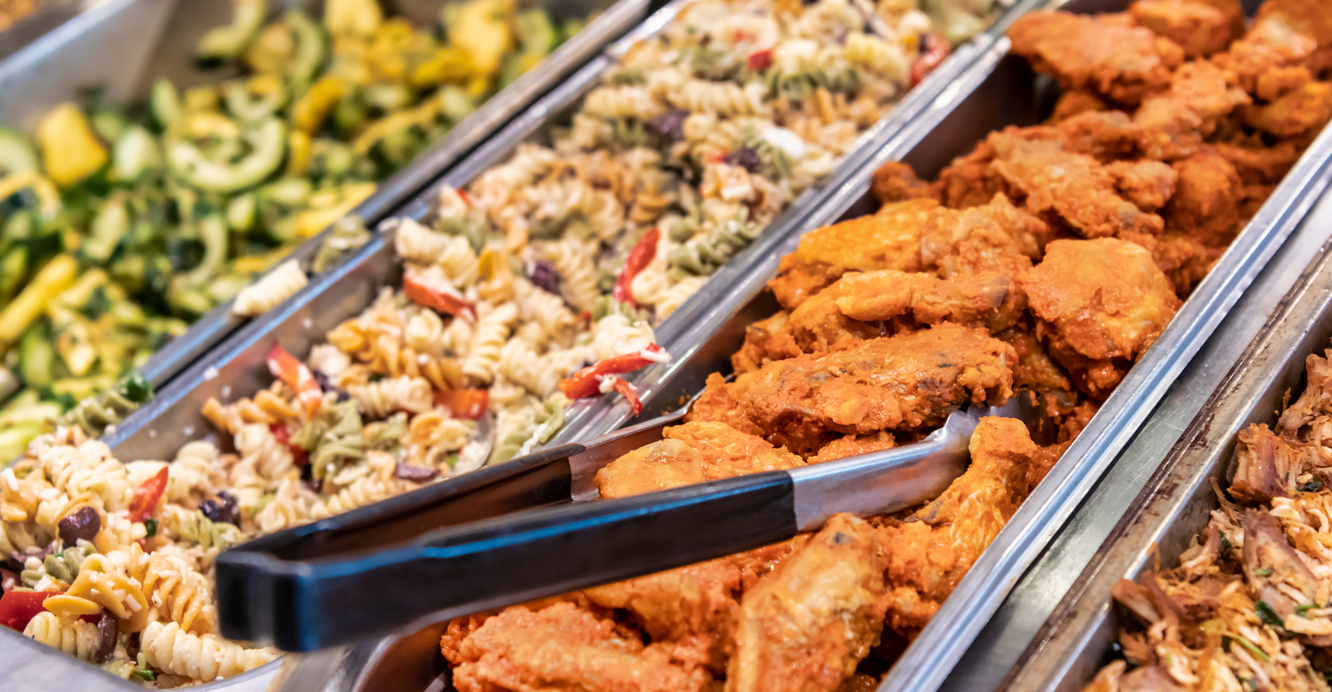
Summer brings heat, but it also demands freshness and flavor. Hot-honey sauces, ghost pepper-infused sandwiches, and globally inspired spices like aji amarillo and harissa are becoming kitchen favorites. Southeast operators have discovered that customers want bold, fun summer flavors without waiting in long QSR lines. Stores in Tampa and Charlotte, for example, have seen an uptick in spicy chicken wrap purchases after introducing sriracha-mayo dipping sauce and limited-time jalapeño-cheddar buns. These aren’t just impulse purchases; they’re flavor experiences that invite repeat visits.
Behind the counter, staffing becomes equally crucial during summer’s peak. Stores experiencing turnover have started simplifying prep with multipurpose kitchen equipment and digital ordering systems to reduce training time. One chain in Mississippi installed a combi-oven with touch programming, allowing staff to steam, bake, and warm foods without switching appliances. The result? Less time wasted on temperature controls and more consistent product quality—even during shift changes and less experienced staff periods.
With summer driving heavier tourist and commuter traffic, convenience stores that successfully blend hot and cold offerings gain a distinct advantage. Hot food selections such as breakfast sandwiches, sausage biscuits, and even simple quesadillas help increase average basket size, especially when placed near beverage stations. One Savannah, Georgia store reports that pairing hot breakfast items with their flavored coffees and cold blended drinks boosts combo sales 30 percent above average. The sensory appeal—steam, sizzling griddle sounds—invites customers to stay a bit longer, refilling loyalty-app coffees or adding snacks.
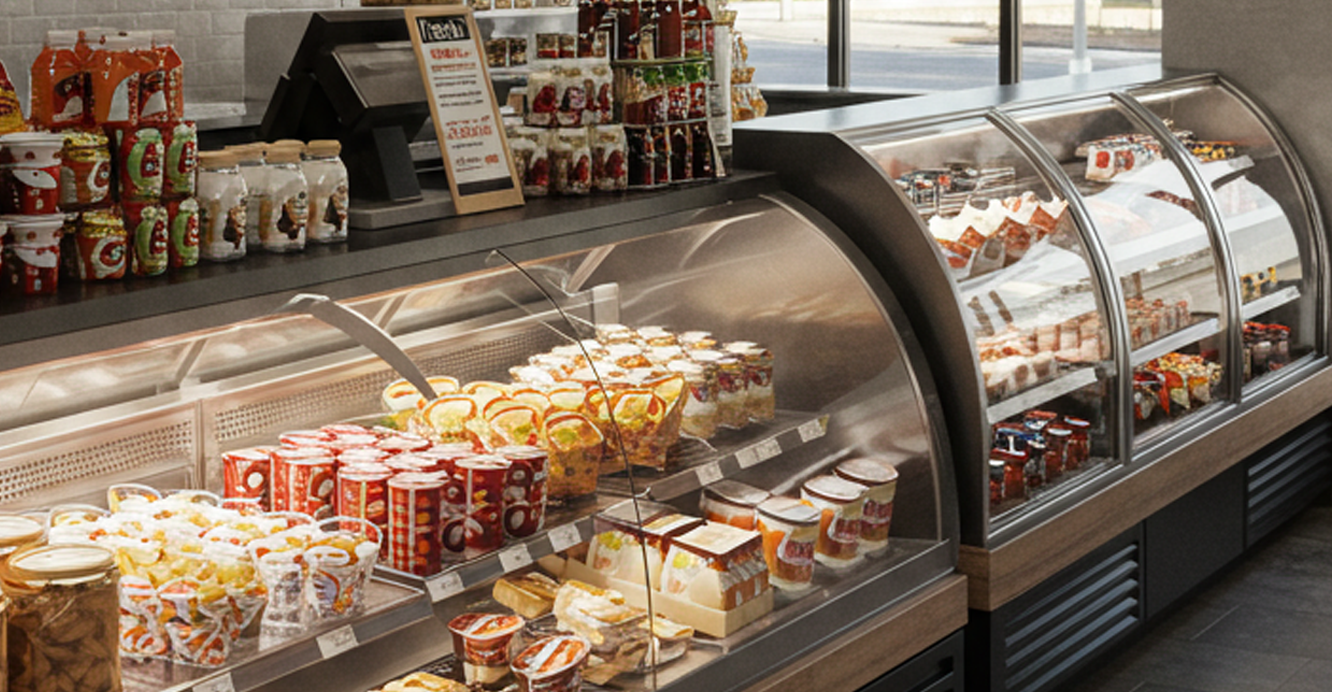
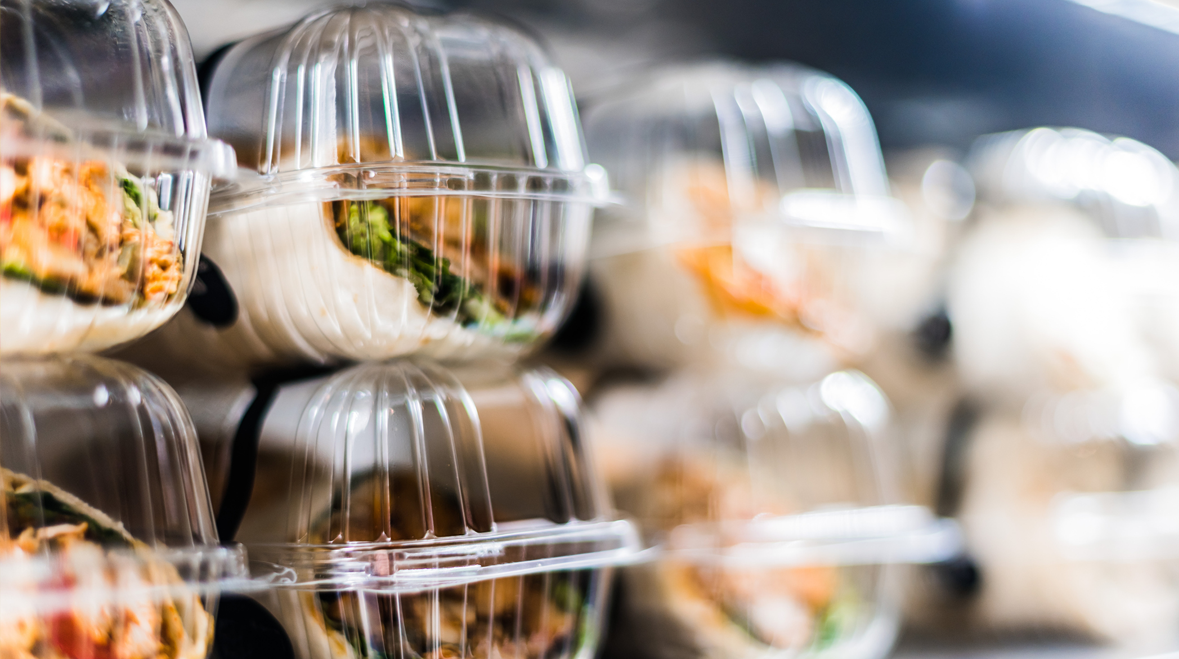
Cold options matter, too. Pre-made protein-packed snack bowls, fresh fruit cups, and gourmet deli sandwiches have surged in popularity with younger, health-conscious consumers. In markets like Asheville, operators have noticed increased frequency of midday visits after introducing refrigerated cases stocked with protein wraps and cold-pressed smoothies. The challenge is freshness—keeping produce crisp and proteins refrigerated requires smart stock rotation and investments in small-format coolers with quick-access doors.
This is where smart inventory flows into storeback logic. With self-service coolers that open instantly, staff can quickly check and restock best-sellers before they’re gone. Stores using mobile POS integrated with sales data see what sells fastest and when. One chain in North Carolina discovered dairy-based breakfast bowls outsold yogurt parfaits two to one during early hours, changing their restock strategy to match morning demand. That type of data integration not only minimizes waste but supports informed seasonal planning.
Value is the silent engine driving all of this. In a region still mindful of rising food prices, stores that deliver quality at accessible prices capture trust. Operators offering value bundles—such as a hot dog, side of nachos, and a fountain drink for under five dollars—attract weekend road-trippers and commuters. These bundles echo quick-service promotions, but with the ease of c-store speed. Technomic research suggests that 55 percent of foodservice operators will prioritize value pricing in 2025 ; for Southeast c-stores, that’s a prescription for more customers coming through the door rather than going elsewhere.
Beyond the economics, foodservice also creates identity. Stores that lean into food forward experiences—like nullifying traditional gas station stereotypes by emphasizing chef-endorsed burgers or UV cooking equipment—are becoming culinary destinations. Dash In, part of the Wills Group, is a perfect example. In its Washington, DC-area location, customers gather around a mini kitchen behind the counter ordering burgers crafted by a local chef, devouring hot handheld snacks fresh from a conveyor-fryer. The result is a space more akin to a casual fast-food joint than a fueling stop—and customers stay 12 to 21 minutes per visit, compared to under nine minutes at conventional c-stores .
Even smaller stores can replicate elements of that success by focusing on cooked-to-order-prime items paired with dine-in-ready offerings. Ventless cooker ovens can fry taquitos, warm pretzels, or prepare buffalo cauliflower bites without requiring major HVAC modifications. What matters is the “show”—either visual prep or visible warmers that broadcast arrival of a made-just-now snack. In hot July afternoons, those five inviting steam clouds above a food warmer can shift customer perception entirely—this is food made for me right now.
It also means using loyalty systems to convert foodservice trials into habits. Push alerts for “Breakfast Burrito Wednesday” or discounts on chicken wraps after noon remind customers to swing by for meals rather than just fuel. In a region where Gen Z and Millennials increasingly see c-stores as convenient dining alternatives, pairing foodservice offers with loyalty rewards encourages trial and retention .
One challenge facing Southeast c-stores is perishability. High summer heat can render prepped food unsellable within hours. Buffer this with rolling bake schedules and detailed FIFO (first-in-first-out) training. One operator in coastal Florida introduced dual time clocks—one for prep and one for sale—on wrapped sandwiches. The result was 20 percent fewer expired items and clearer waste tracking. Another operator reduced shrink by 15 percent after implementing opaque prepped bins with labels showing prep and expiry times, reducing scanner errors and food loss .
Regional themes also enhance resonance. Local flavor—like shrimp po’boys in Georgia or Texas-inspired brisket tacos—carry cultural authenticity that transforms mundane meals into anticipated visits. For instance, a small c-store chain in Baton Rouge partnered with a local deli to supply boudin rolls daily—fare driving daily repeat buys because the product couldn’t be found elsewhere. That local edge can’t be outsourced and endears stores to their communities.
Even global food trends have found a place in Southeastern summer menus. Patrons craving something different during heatwaves have warmed up to globally inspired sauces like tangy hot honey glaze, smoky sriracha aioli, or citrus-infused harissa wraps. These flavors deliver excitement without requiring specialized equipment—simple drizzle mechanisms and high-ROI ingredients help elevate taste and differentiate offerings without skyrocketing costs.
Looking ahead through the summer, convenience stores with an integrated foodservice vision win. That means combining data-driven menu curation, smart prep systems, value-focused pricing, and sensory-first environments. It also means investing in training for staff and managers so quality is consistent, from pre-office patties to post-gym burritos.
By mid-summer, stores should track week-over-week foodservice sales and table average. If breakfast sales dip, it may signal the need for a new morning item or temperature tweak. If combo performance stalls, consider adding sides with light dusting (like seasoned chips or fruit cups) or rotating hot sauces to introduce novelty. Southeast operators in 2025 have an open road: cook smart, flavor boldly, price fairly, and design for comfort—and their foodservice counters will drive not just meals, but loyalty and stand-out performance. When convenience store food matches fast-food appeal and fosters dwell time, it no longer competes—it leads.
Share:
Newsletter
Stay Informed with
Top Headlines
Category


Insights and trends shaping U.S. convenience retail.
Content is provided for informational purposes only and does not constitute legal, financial, or professional advice.