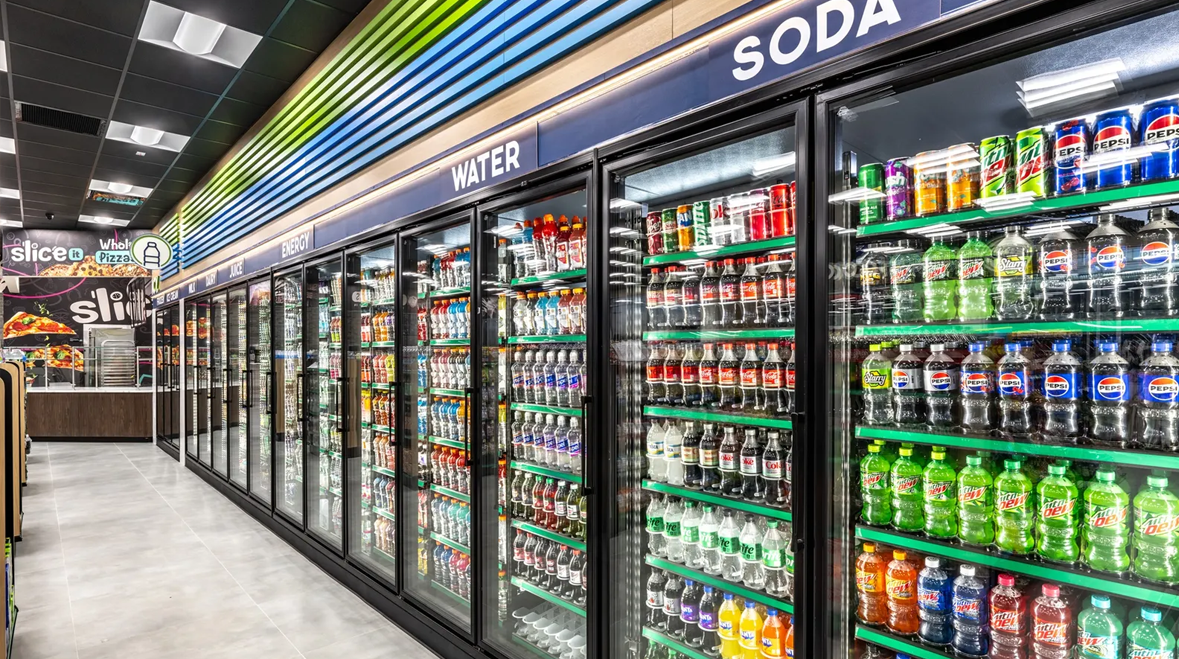
There’s a quiet art to a well-built cooler in a convenience store—something that doesn’t call attention to itself but moves product like a magnet. For many c-store owners, the cooler is the first place eyes land when customers walk in. It’s the literal and figurative refreshment zone: cold, colorful, inviting, and loaded with opportunity. In the heat-heavy months of summer, especially in the Southeast, how that cooler is stocked and arranged can make the difference between a single sale and a whole basket of purchases. And with a growing mix of traditional beverages, better-for-you options, energy drinks, and functional innovations crowding the category, optimizing the cooler has never been more important—or more complex.
Operators across the region are seeing a transformation in both the product mix and the way consumers shop these cold spaces. It’s no longer enough to carry the basics: water, soda, and a handful of energy drinks. The modern customer wants variety, but they also expect clarity. They may walk in looking for something refreshing, but if the options are confusing or overwhelming, they might stick to old habits—or worse, leave without buying. In-store data confirms what many owners already know: strategic cooler planning directly correlates to higher conversion rates, longer dwell time, and significantly larger basket sizes.
Smart cooler setup begins with understanding the behavioral rhythm of your customer base. In many Southeast markets, mornings are dominated by functional drinks—think energy, protein, hydration. Drinks like Bang, Celsius, and Alani Nu thrive in these early hours, often chosen alongside a breakfast sandwich or protein bar. Placement near grab-and-go breakfast options or even coffee pods can stimulate cross-category purchases. Monster Energy’s new Ultra variants and 1st Phorm’s ready-to-drink performance blends have started to occupy this early day space too, adding a new level of functional layering to morning merchandising.
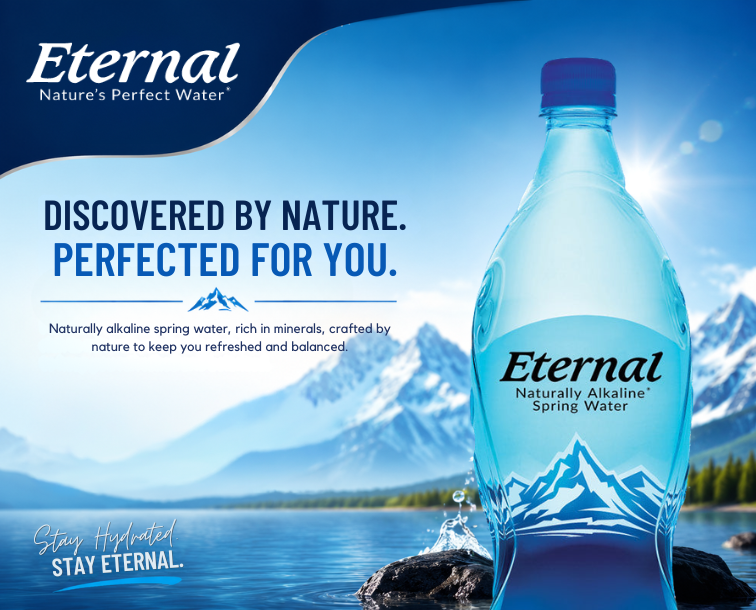
By late morning through midafternoon, hydration and recovery products start to dominate. Customers—especially those traveling or working in outdoor trades—begin reaching for Biolyte, Body Armor, Recover 180, and electrolytic waters like SmartWater and Eternal. These shoppers tend to linger a bit longer, often evaluating labels or comparing claims. If the cooler layout makes it easy to identify categories—without overwhelming signage or cluttered racks—these customers will more often than not pick up a second item, usually a snack or prepared food, before heading out.
Evenings shift yet again. Carbonated sodas, energy drinks, and indulgent beverages take center stage. This is when beverages like F’real shakes, Dipping Dots drinks, and the occasional BuzzBalls grab come into play. These items are not daily habits; they are impulse-driven, emotionally satisfying purchases. When organized alongside familiar brands like Coca-Cola, Pepsi, and Red Bull, these novelties ride the wave of trust and curiosity. One retailer in central Georgia noted a 22 percent sales bump after positioning BuzzBalls alongside Monster and Red Bull for evening shoppers, capitalizing on the “weekend unwind” mindset that starts as early as Thursday evening and builds through Sunday.
The mechanics behind an effective cooler aren’t just about knowing what to stock. They hinge on how to present it. Visual merchandising in the cooler should mirror the logic of the shopper’s journey, not the logic of the supply chain. That means avoiding overstuffed layouts where drinks blur together and instead curating flow—starting with hydration and wellness at one end, functional performance in the middle, and indulgent sips near checkout. Operators who’ve tested this approach report higher customer satisfaction scores and stronger repeat visits, particularly among Gen Z and millennial shoppers who tend to “shop with their eyes first.”
Temperature zones matter as well. In particularly hot months, stocking the most temperature-sensitive products—dairy drinks, kombucha, and functional blends like Frazil or Cali Kulture’s new chilled THC-alternative drinks—away from cooler doors can reduce spoilage and maintain product integrity. Stores that use digital thermometers to manage cooler consistency have seen fewer returns and improved sell-through rates. Several brands are even investing in custom cooler equipment to optimize visibility—Frazil and Uptime, for example, offer branded coolers with LED framing and lock-in rack systems that prevent product shift during high-traffic hours.
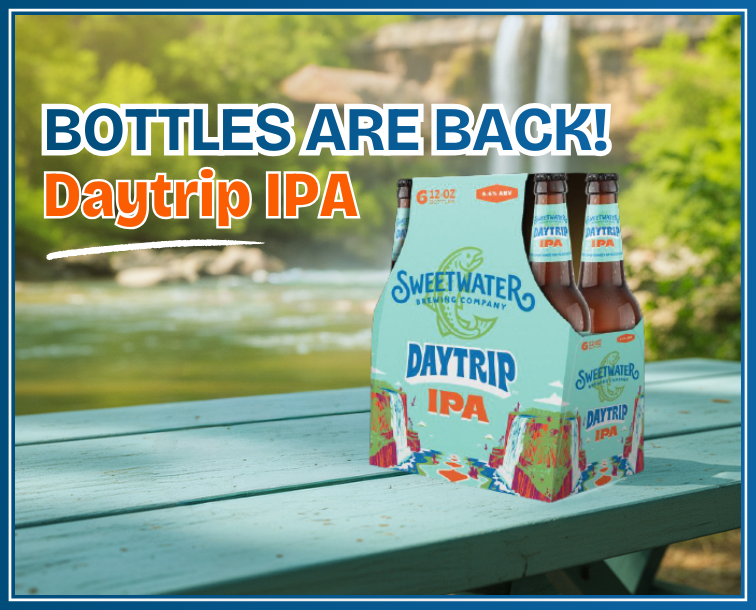
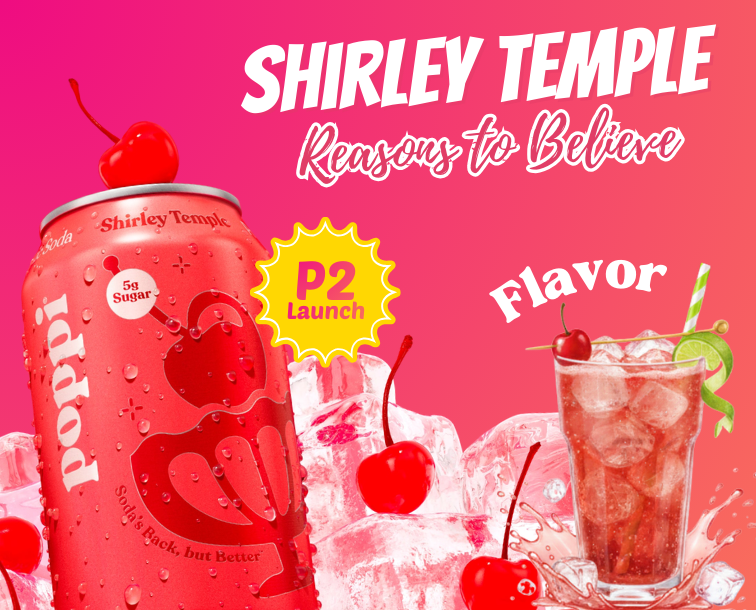
Another rising practice is dynamic product rotation. Rather than holding one layout through a full season, successful operators rotate displays every two to three weeks to highlight trending products. This doesn’t mean a full reset—just a shift in prominence. When Coca-Cola or Poppi releases a seasonal flavor, that can gets prime eye-level placement for a short window, driving trial. When a local favorite like Creature Comforts launches a summer IPA or non-Alcohol variant, integrating it into the adult beverage section with signage about local sourcing adds both novelty and a sense of community pride.
Emerging data technologies are helping stores refine their layouts further. Retailers using tools like Modisoft or SmartBizPay’s dashboard analytics can see heatmaps of where customers dwell and which SKUs move quickest. In one case, a suburban Atlanta store removed a poorly performing juice blend to make room for Lucky Energy’s new clean-label variant and saw sales climb nearly 30 percent within a week. The decision wasn’t guesswork—it was powered by clear customer flow data.
Space planning also extends beyond the cooler. Secondary placements near the front counter, especially for high-velocity energy and hydration drinks, capture those last-second decisions. A can of Reign, a bottle of Prime, or a pouch of ZOA next to tobacco or lottery can be a powerful closer, especially when paired with a sign that suggests “grab a cold one for the road.” These placements work best when stock is rotated frequently, kept chilled, and aligned with current promos. Beverage suppliers often provide free racks or co-branded coolers to make this kind of cross-merchandising easier.
But even the smartest cooler fails without the human element. Staff training remains an underrated lever in boosting beverage turnover. When employees are encouraged to suggest a new flavor or recommend a pairing, it humanizes the transaction and increases perceived value. One store chain in Alabama started incentivizing cooler engagement—giving small bonuses to staff who upsold high-margin drinks like Cremily or DRNX Water—and saw basket size increase by over 18 percent. Customers responded not just to the product, but to the engagement.
The lesson is this: your cooler is more than a cold box. It’s a stage. And every decision, from placement to promotion to people, affects what story it tells. A great cooler doesn’t just serve drinks—it sells an experience. It reflects the rhythms of the day, the seasonality of the moment, and the tastes of your specific community. Whether it’s sparkling hydration or old-school soda, protein water or indulgent frozen sips, the products are just ingredients. The magic happens when c-store owners design that space with intention, allowing their customers to feel seen, understood, and refreshed.
Share:
Newsletter
Stay Informed with
Top Headlines
Category
Insights and trends shaping U.S. convenience retail.
Content is provided for informational purposes only and does not constitute legal, financial, or professional advice.