There’s a particular kind of energy that fills the air around the foodservice counter of a convenience store on a summer afternoon. It’s a mix of hunger, heat, and anticipation—customers are looking for something more than a drink or a snack, and owners have the opportunity to turn that moment into a curated experience. The idea behind “Snack Stack: Pairing Profitable Bites with Functional Drinks” isn’t just a catchy concept—it’s a blueprint for driving sales by matching tasty, high-margin foods with trending beverage options in ways that feel effortless yet strategically intentional.
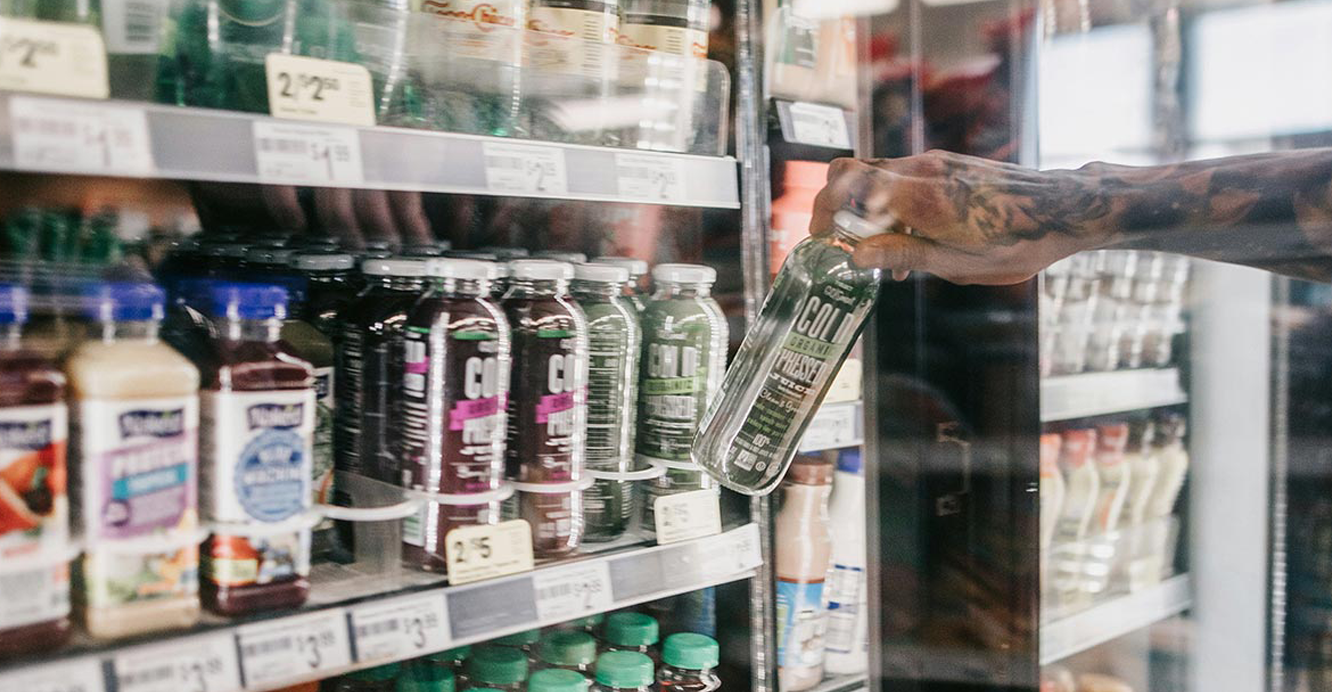
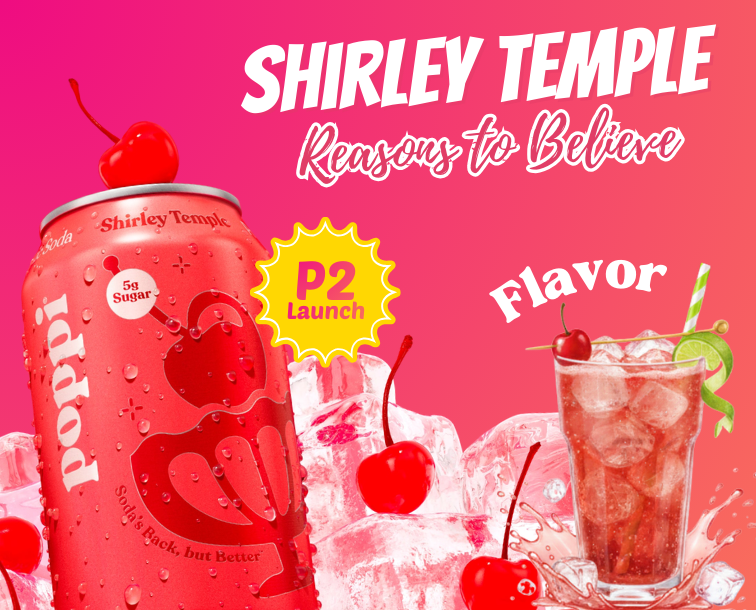
Summer brings a noticeable change in consumer needs and expectations. Midwest heat feels different than Southeast humidity, but the psychological patterns are similar: shoppers want something quick, satisfying, and refreshing. They’re more open this time of year to upgrading their usual purchase into a combo that “hits the spot.” For instance, someone grabbing a hot dog or a sausage biscuit early in the morning might follow it with a Bang Energy for a boost, while later on, a spicy chicken wrap might pair beautifully with a Poppi or Olipop—something lighter, fiber-forward, and refreshing.
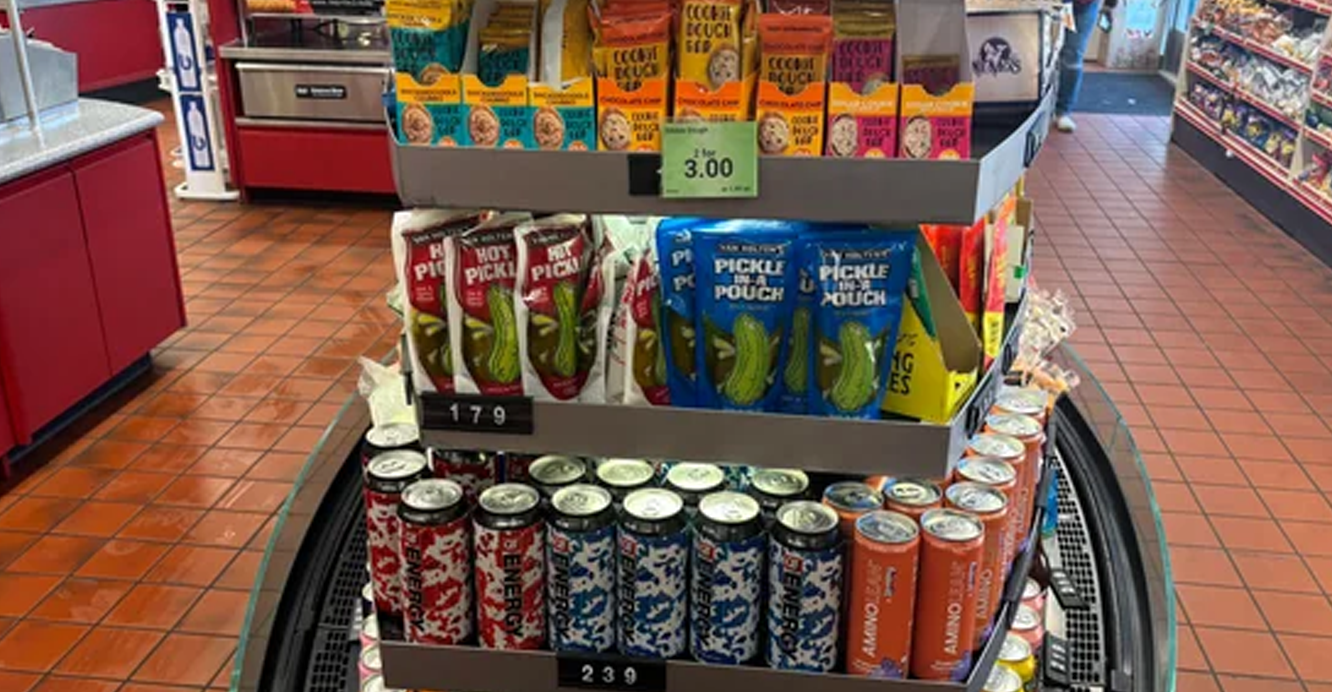
The magic lies in curation and presentation. Convenience store shoppers don’t want menus plastered on every surface—they crave options that feel convenient but also thoughtful, like someone remembered what they like. That’s why pairing items—without overthinking it—is so powerful. Take a hot slice of pizza wrapped in gooey cheese or a fresh-made breakfast burrito and place it near energetic cans like Bucked Up or Uptime. You’re not telling customers what to do, but you are guiding them, nudging them gently toward value-driven purchases that benefit both them and the store’s bottom line.
Data from NACS confirms what many store owners sense: when functional drinks like Celsius, Bang, or Monster are merchandised near hot, savory snacks, combo sales increase significantly—some stores report a 25 to 30 percent bump. One store in Columbus, GA shared that after placing Bucked Up cans alongside their chicken tenders, they saw a measurable uptick in daily beverage units per transaction. Their install didn’t require cluster shelving, just strategic adjacency.
The relationships between product categories become clearer when you consider consumer routines. Someone stopping for gas mid-morning might be thinking only about coffee or breakfast—but if chocolate and caffeine are bundled, that morning habit becomes a value-enhanced ritual. Likewise, travelers during the summer road trip season might be drawn in by an ice-cold energy drink, then enticed to add a bag of Jack Links or Wonderful Pistachios as a protein complement. Each touchpoint reinforces the next, building a basket that feels natural rather than forced.
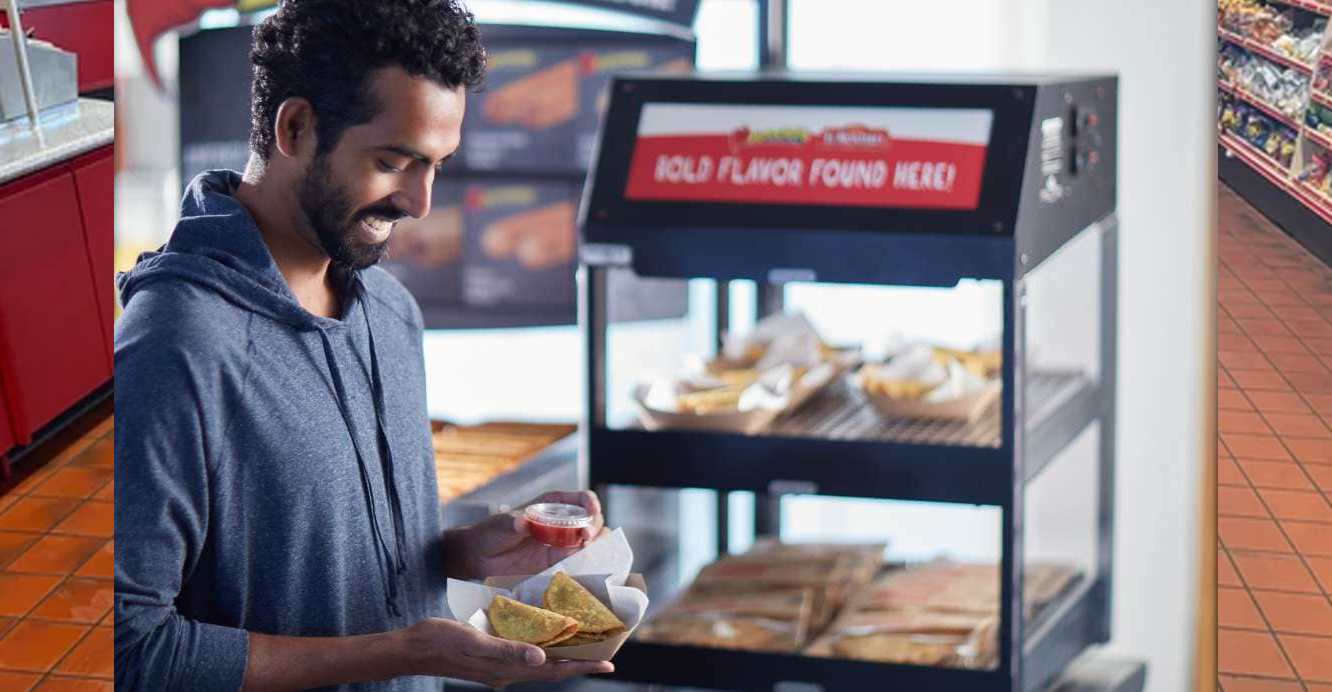
Partnership with vendors plays a major role. Representatives from Frito-Lay, Hormel, and Gatorade often bring compelling insights on snack-and-beverage trends. Some chains now collaborate with their Coca-Cola or Pepsi reps to set up test bays—limited-time displays where consumers can try summer flavors of Prime or fizz-forward DRNX Water alongside fresh-made snack offerings. These trial units create a moment of discovery, and when paired with a functional beverage, the probability of basket stacking increases dramatically.
Sweet snacks also have a place in this ecosystem. Chilled treats like Dipping Dots or f’real milkshakes carry nostalgia and indulgence, and when paired with an energy drink—particularly in the evening—they position the purchase as a small reward or treat. One Florida-based operator credits evening combo sales with Dipping Dots and Monster as key to maintaining profitability during slower summer hours. The pairing turns a singular impulse into a micro-moment of enjoyable indulgence.
Foodservice managers are also blending snack-and-beverage planning with local culinary trends. A store chain in Mississippi integrated roadside favorites—like Cajun-style sausage biscuits—with electrolyte drinks like Biolyte or Body Armor. The result: customers complimented the unexpected but classic pairing, citing hydration as a natural follow-up to spicy breakfast. That kind of affinity-building combo may not appear in corporate brand plans, but it captures—and keeps—customers exactly where so many get lost amid generic selections.
Operationally, pairing combos requires support behind the scenes. Cleanliness, freshness, and quick access take precedence. Bags of chips placed carefully near warming units prevent dripping condensation; beverages must stay properly chilled even if they sit next to hot food displays. Stores that invest in dual-temp cabinets—allowing a hot segment next to cold drinks—see fewer complaints and better throughput. Staff need to monitor temps closely, especially in humid climates, to ensure drinks don’t warm and spoil or melt snacks begin to sweat.
Another overlooked but powerful tactic is timing. Studies show that shoppers escalate purchases when they perceive a window—like “only today” or “while it’s hot.” Convenience stores multiple times this summer created combo blitzes around major events—Independence Day weekends, NCAA tournaments, or local high school sports—and updated snack stack signage accordingly. One war story from a small chain in Tennessee describes how a Saturday afternoon football game led to a spontaneous push of sausage wraps with Red Bull bundles. It sold out before kickoff, and customers came back asking if those combo packs would return.
Loyalty programs can reinforce these stacks. When a reward alert offers, say, $1 off any snack-and-drink combo featuring certain functional beverages, redemption rates soar. Implementing such offers not only boosts immediate sales but creates behavioral patterns, prompting repeat visits. Brands like Monster, Celsius, and Poppi provide digital coupons that can integrate seamlessly with store loyalty platforms, making combo offers feel natural, not pushy.
Throughout the day, tracking performance keeps operators ahead. With systems like Modisoft or Sysco-connected foodservice tools, c-store teams can monitor which combos are moving and which are stagnating. If desserts stall but savory-and-drink stacks thrive, it may suggest shifting display strategy. The goal is to maintain flow and freshness—no stale chips or warm bottles—and to pivot quickly if customer preferences shift during the heat of summer.
Profit margins on combo sales outperform single items because they leverage what customers already intend to buy. Instead of selling an item at a discount, stores elevate the perceived value of the purchase. A hot sandwich and an Olipop or Poppi may sell for a price slightly less than the items purchased separately, but increase the total transaction by two items instead of one. This kind of strategic bundling grows revenue without eroding margin structures.
Ultimately, snack stack combos shine brightest when driven by authentic relevance. You don’t need an item to be trendy to pair it well. Sometimes a classic lässtern chicken sandwich tastes perfect next to a can of electrolytic water after a bit of yard work under the sun. Other times, a cupcake paired with a Prime Reign may be just the pick-me-up someone needs after harvesting vegetables at a roadside farmstand. Successful c-store owners learn to read their foot traffic, understand the local pulse, and gently nudge customers toward give-in moments that feel personal.
By mid-summer, store managers should have compiled a shortlist of top-performing stacks and be ready to rotate them. Some combos return, driven by events or holiday patterns—hot honey sausage and Monster for Memorial Day, for instance—while others fall off. That flexibility helps maintain freshness, novelty, and customer interest. Adds another benefit: it keeps staff excited. When coolers and foodservice counters change rhythm and show new pairings every few weeks, teams report better engagement and more genuine conversation with customers—who notice and sometimes ask what’s new.
What’s key is that snack stack combos don’t feel like forced add‑ons. They feel like helpful suggestions. They’re the physical equivalent of saying, “Hey, pair this spicy snack with that cooling soda—it works, and you’ll feel good about your choice.” And when customers feel deliberately understood, they come back more often—crafting a pattern of convenience store behavior that transcends fuel, transcends transaction, and builds community.
Share:
Newsletter
Stay Informed with
Top Headlines
Category
Insights and trends shaping U.S. convenience retail.
Content is provided for informational purposes only and does not constitute legal, financial, or professional advice.