For a lot of convenience store operators, the word “value” used to mean one thing: price. That is still part of it, but it is no longer the whole story.
Today’s customer is watching prices more closely, but they are also making faster judgments about convenience, quality, and whether something feels worth it. In other words, they are not just looking for the cheapest option. They are looking for the option that makes the most sense in the moment.
The shift changes how operators should think about pricing, assortment, and even the overall store experience. If the customer is more selective, then the store has to be more intentional.
“If the customer is more selective, then the store has to be more intentional.”
Value is not the same as cheap
One of the clearest themes running through the category right now is price pressure. NIQ’s 2026 beer pricing reporting shows that beer case prices rose over the past few years, and that consumers are feeling the squeeze even as they continue buying premium brands in convenience. That combination says a lot about where the shopper’s head is.
People are being careful, but they are not abandoning premium products altogether. They are deciding more deliberately where to spend a little more and where to pull back, creating an opportunity for convenience stores that can present value in a way that feels balanced rather than blunt.
In practical terms, it means value can show up in a few different ways:
- A familiar product at a fair price.
- A smaller size that fits the budget and the occasion.
- A bundled or paired offer that feels like a smarter total purchase.
- A premium item that earns its price because it delivers on taste, convenience, or both.
This is where some stores can get stuck. They either lean too hard into low prices and weaken margin, or they price everything as if shoppers are not paying attention. Neither approach works very well for long.
The customer is comparing more than price
The convenience shopper does not usually walk into the store with a long decision process, but faster shopping does not mean mindless shopping.
The customer is still comparing products, even if only for a few seconds. They are comparing pack size, whether the product feels current, and the visible value of the shelf set against what they expect to get for their money.
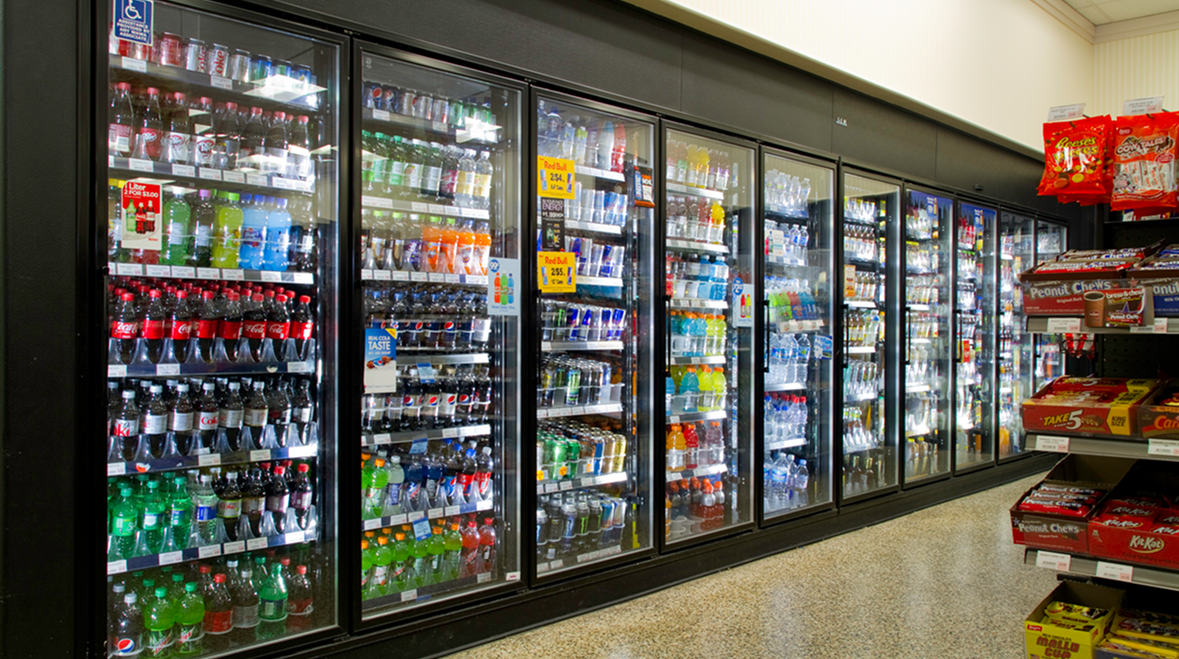
That is one reason cold vault presentation, signage, and assortment matter so much. A set that looks thoughtful gives the customer confidence, but a set that looks stale or overloaded will quickly push them away.
This is especially important in beverage, where pricing and product perception are so closely tied together. A customer may not be able to articulate exactly why one package feels like a better value than another, but they absolutely notice when the set makes sense.
“A customer may not be able to articulate exactly why one package feels like a better value than another”
Small changes can make a real difference
For smaller operators, this is actually encouraging. You do not need a major reset to respond to value-seeking behavior. A few thoughtful adjustments can go a long way.
That might mean:
- Reviewing which items deserve the most visible placement.
- Paying closer attention to single-serve and grab-and-go formats.
- Making sure your price points ladder in a way that feels logical.
- Using local knowledge to keep the assortment aligned with what your customers actually buy.
In some stores, the strongest value signal is not a promotion at all, it’s simply having the right products in the right places so the customer can make a quick, confident choice.
This is also where the Southeast advantage matters. Many HRA members are close enough to their customers to know when buying behavior changes before a report ever shows it. If a product is suddenly moving, or if a certain pack size starts lagging, that is useful information. It is practical and usually where the margin is protected.
National trends are shaping local behavior
Nationally, the convenience channel is under pressure from shifting traffic patterns, price sensitivity, and more selective shopping behavior. Recent industry coverage has pointed to restrained consumer spending, declining unit trends in some categories, and the need for retailers to work harder for each trip.
This means the value conversation is not limited to one product class, it’s affecting how people think about the whole store.
For an independent or small-chain operator, it creates a straightforward question: when a customer walks in, do they feel like this store understands what they are willing to spend today?
If the answer is yes, the store has a better chance of capturing the sale, building basket size, and keeping the visit from becoming a quick in-and-out transaction with little upside.

The right kind of value is clear
The best value strategy is simple and disciplined.
It should help the customer feel like:
- they found something familiar,
- they got a fair deal,
- and the store made the decision easy.
Value is still central, but the definition has widened. It is no longer just about being the cheapest place to stop, it is about being the place where the customer can make a quick decision and feel good about it.
The stores that understand that shift will be in a much better position to serve the customer they have right now, not the customer they used to have.
“Value is still central, but the definition has widened.”
Share:
Newsletter
Stay Informed with
Top Headlines
Category

Insights and trends shaping U.S. convenience retail.
Content is provided for informational purposes only and does not constitute legal, financial, or professional advice.