

What Smaller Operators Can Win On
In a convenience market that keeps getting more competitive, it’s easy to focus on what smaller operators lack. They don’t have the same scale, don’t always have the same technology, and don’t have the same purchasing power.
But that is only part of the picture.
“A store does not have to be huge to be effective.”
Smaller operators also have some advantages that larger chains often struggle to match. They can move faster. They can stay closer to the customer. They can make local decisions without waiting for a system-wide rollout. And when they are paying attention, they can often create a store experience that feels more personal and more relevant.
Scale is useful, but it is not everything
Large chains have real strengths. They can negotiate well, standardize execution, and invest in systems that help them operate at volume. Those advantages are hard to ignore.
But scale can also slow things down. The larger the organization, the more layers there are between the customer and the decision. That can make it harder to react when something changes in the market or when a particular location starts behaving differently.
For smaller operators, that is where the opportunity lives.
If a product starts moving in one store, it can be added or expanded quickly. If a display is not performing, it can be changed without a long approval process. If a local customer preference starts to appear, the operator can respond before the issue becomes apparent in a report.
This kind of flexibility is extraordinarily valuable.
Local knowledge still matters
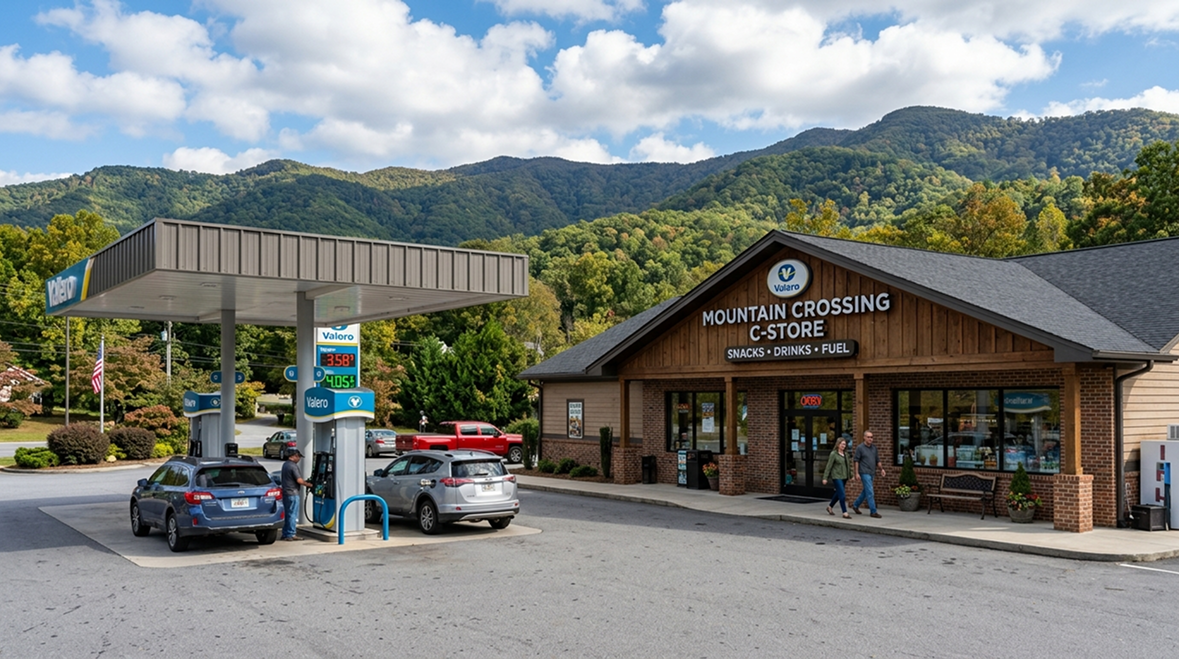
One of the biggest strengths smaller operators have is their closeness to the customer. They often know their community in a way that a larger chain just can’t.
They know which products are regulars. They know which categories are seasonal in a very specific way. They know what gets asked for repeatedly, even if it is not a top seller everywhere else. And they know when something feels off in the store long before it would show up in a spreadsheet.
“A smaller operator stays close enough to the business to ask the right questions and search for the right answers.”
This kind of knowledge can shape the product mix, the pricing approach, how the store is merchandised, and even how the staff interacts with customers. A smaller operator stays close enough to the business to ask the right questions and search for the right answers.
The store can feel more human
“smaller stores can feel more human.”
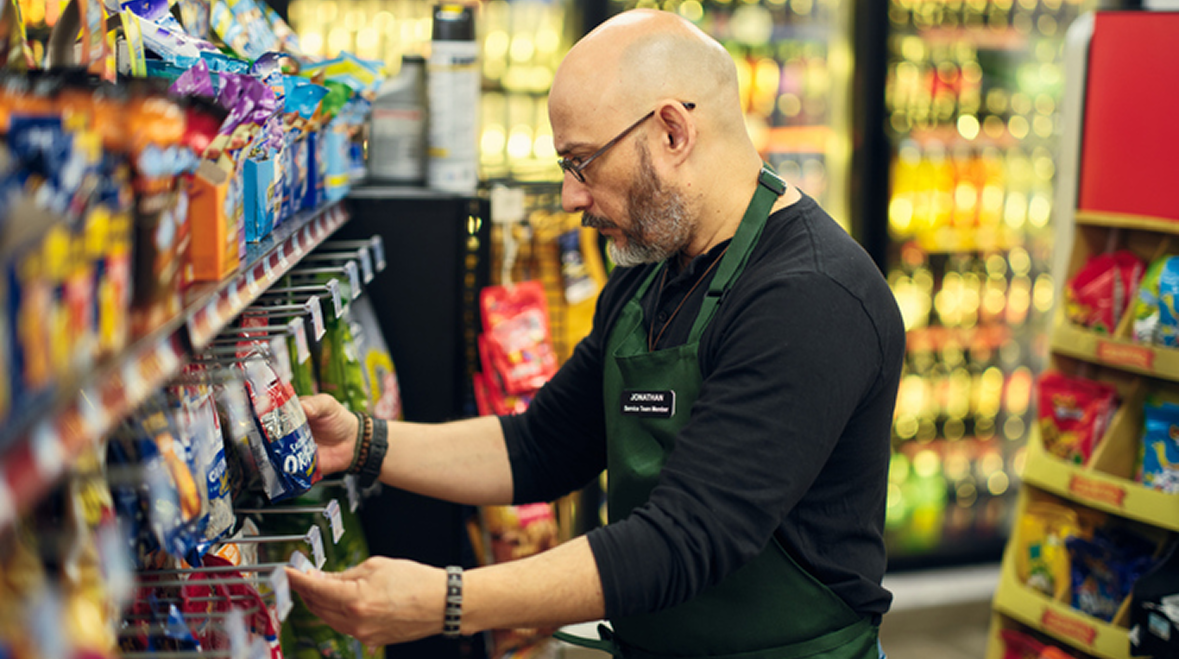
There is also something harder to quantify, but still important: smaller stores can feel more human. In a lot of ways, that is what convenience is supposed to be about.
The best smaller operators don’t try to be everything to everyone. They build around what their customers use, what their stores can support, and what makes sense in that market. A kind of discipline is often underrated.
Execution can beat complexity
Another place smaller operators can win is execution.
Larger organizations often have more moving parts. That can create consistency, but it can also create drag. A smaller operator, by comparison, can usually focus on doing a smaller number of things very well.
That may mean:
- Keeping the store cleaner and easier to shop.
- Maintaining a tighter, more relevant assortment.
- Adjusting the layout to fit the actual customer flow.
- Paying closer attention to what is and is not selling.
- Making sure promotions are visible and understandable.
None of this is complicated, and it is where the difference shows up.
A store does not have to be huge to be effective. It has to be clear, current, and easy to shop.
The right categories matter even more
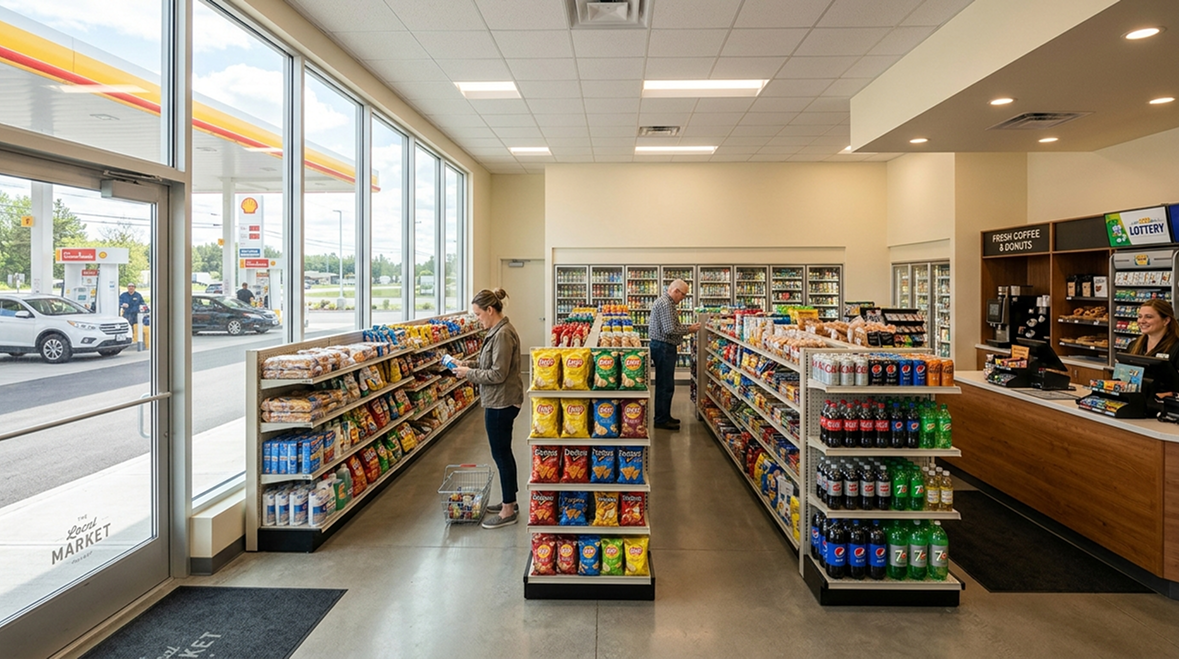
For smaller operators, category choice matters a great deal because space is limited. Every section has to earn its place.
If a store knows which categories are most important to its customer base, it can focus more energy on those areas rather than chasing every trend. This is where strong partnerships also matter. Vendors and distributors can help smaller operators see patterns they may not notice on their own. But the operator still has to make the final call based on what makes sense for their location.
A combination of outside insight and local decision-making can be powerful when it is done well.
There is still room to grow
One of the more encouraging things for smaller operators is that the market still rewards stores that stay sharp.
Customers continue to respond to convenience, but they also respond to relevance. If the store feels current, clean, and easy to use, it earns more trust. If the product mix makes sense, the customer notices. If the operator pays attention to local needs, it shows up at the bottom line.
Smaller operators don’t have an easy path, but they certainly have a workable one.
“A store does not have to be huge to be effective.”
Don’t win on scale, win on responsiveness, execution, and local understanding.
That is the real advantage.
“Being smaller is not the same as being limited. In the right hands, it can actually be a strength.”
The stores that make the most of it are usually the ones that understand a simple truth: being smaller is not the same as being limited. In the right hands, it can actually be a strength.
Share:
Newsletter
Stay Informed with
Top Headlines
Category







Insights and trends shaping U.S. convenience retail.
Content is provided for informational purposes only and does not constitute legal, financial, or professional advice.