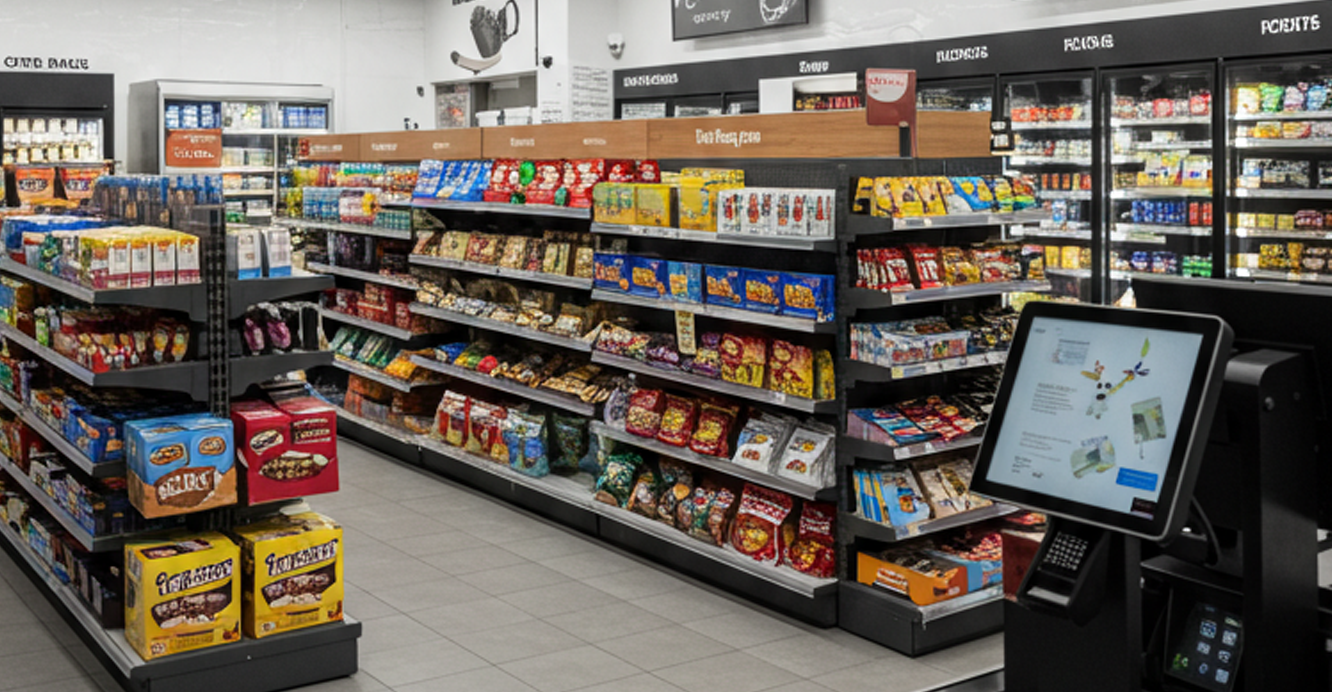
Reorganize Your Store Layout for Seasonal Success
As summer heat settles across the Southeast, customers are on the move—and convenience stores quickly become their lifeline. Whether it’s a quick stop for cold drinks, a snack on the way to the lake, or a last-minute grab for sunscreen before hitting the road, c-stores are more than just pit stops during these months. They’re a part of the journey. That makes June, July, and August prime selling time for operators who are ready. But here’s the truth: you can’t sell what you don’t have room for. And summer moves fast—so if your store isn’t reorganized to match the season, you’re going to miss opportunities with every footstep that walks past a cooler, display, or shelf that could’ve been better used.
At the core of every smart summer strategy is this simple reality: the sales floor is finite, but demand is not. That’s where rethinking your layout comes into play. It’s not just about stocking more—it’s about stocking smarter. That means knowing what to feature, where to put it, and, maybe most importantly, what to take off the floor to make room for what’s actually going to move.
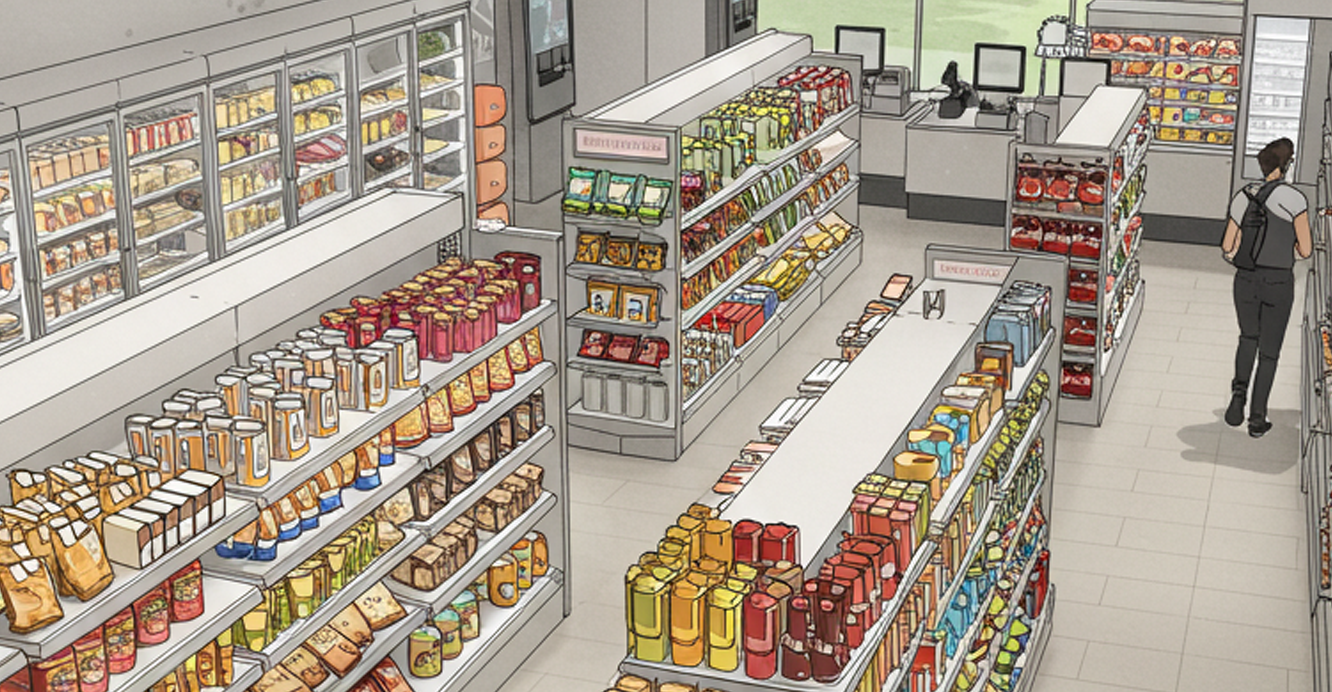
Start by zooming out and looking at the big picture of summer shopping patterns. The flow of foot traffic changes in the heat. Customers are often coming in with a sense of urgency—they’re hot, they’re in a hurry, they may have a car full of kids or a dripping cup of melted coffee. That means they aren’t in browsing mode. They’re in beeline mode. The faster you can get them to what they came for—and tempt them with what they didn’t know they needed—the more profitable that visit becomes. Layout must serve this movement. In summer, product zones should contract or expand based on real seasonal demand. If your cough and cold endcap is still hogging three feet near the entrance in July, while your grab-and-go cooler is buried behind greeting cards, it’s time to swap.
One of the best ways to identify where space needs to shift is through sales velocity analysis. By pulling POS data from last summer—and layering in trends from this year so far—you can see which items are already heating up. Are hydration drinks outpacing carbonated sodas? Is your cold brew outselling your legacy coffee brand? Is your 20-ounce flavored water section being picked clean while sports drinks linger? Let your data tell you where to cut. Every slow-moving SKU taking up shelf space in the summer is costing you more than its wholesale price. It’s costing you the chance to sell something better.
Removing under performers isn’t just a logistics decision—it’s a business opportunity. Now’s the time to be honest about what items earned their keep this past quarter. Dusty novelty snacks, out-of-season candy, obscure brand-name beverages—anything that hasn’t moved in weeks should be rotated out to make room for higher-performing products. That doesn’t mean you slash and burn your back stock. Consider relocating slower inventory to back-of-store zones or bundling it into markdown bins. Just don’t let prime eye-level or grab-zone real estate go to waste.
So what should move in? Warm-weather SKUs, for starters. Think: expanded beverage options with added benefits (Celsius, Gatorade G-Fit, Eternal Water), protein bars with functional ingredients, frozen treats in single-serve packs, and ready-to-eat meal kits for families traveling in groups. These aren’t “nice-to-have” extras. They’re demand drivers. Summer shoppers are looking for quick energy, hydration, and novelty. The faster they find something that fits that mood, the more likely they are to buy more than just fuel.
To make room for these SKUs, more operators are turning to modular and mobile fixtures. Rolling racks, portable coolers, and pop-up displays can be relocated throughout the day depending on traffic, delivery schedules, or even sun exposure on your front windows. Flexibility is a huge asset in a season where buying behavior can change based on the weather forecast. Consider how a stand-up cooler placed at the entrance—filled with grab-and-go beverages—might outperform the same cooler stuck in the back corner. Or how a modular endcap featuring seasonal combos (like chips + drink bundles, or sunscreen + bottled water) can drive higher impulse purchases than a static stack of discounted paper towels.
Another often-overlooked strategy is vertical merchandising. Many stores default to waist-to-eye-level displays, but smart operators are utilizing floor-to-ceiling shelving in sections like snacks, beverages, and sundries. This not only expands your display capacity without expanding your footprint, but it also creates clear product zones that are easier for customers to scan quickly. The top shelf can hold backup stock or seasonal overflow; the middle shelves drive core category sales; and the bottom can be used for value items or trial packs. Think of it as a hierarchy of visibility—with your best summer items always in the sweet spot.
You might also look into space optimization tools or planogram assistance. If you’re an HRA member, now is the time to reach out to your representative to help you re-map your store for summer performance. They can help you analyze sales data, create seasonal layouts, and even assist with vendor partnerships that support better stocking and visibility. Often, a small tweak—like reorganizing an end cap by flavor profile rather than brand—can boost category sales without adding a single new item.
Beyond product placement, don’t underestimate the power of pathway planning. In summer, traffic bottlenecks are a real problem, especially when multiple shoppers are reaching into the same cold case. If your aisles are narrow or your point-of-sale line wraps through key product zones, you risk creating congestion that deters additional purchases. Experiment with shifting bulk displays or secondary stacks slightly away from traffic pinch points. Or introduce smaller “satellite” displays near the entrance and checkout area, giving customers multiple ways to engage with summer products without clogging the main sales floor.
Operationally, prepping your store for summer means getting everyone on board. Your staff can’t stock what’s not there, and they can’t sell what they don’t know about. So loop them in. Show them what’s new, what’s hot, and where it’s going. Give them talking points about functional drinks or bundle promos. Make sure they’re trained to spot when a high-demand item is running low and feel empowered to shift displays or restock on the fly. When your team knows that layout isn’t just “set and forget,” they become part of the strategy, not just the execution.
And while we’re talking team strategy—don’t forget to prep for delivery and restocking flow. Summer inventory turns faster, which means more frequent deliveries and tighter stocking timelines. If you’re bringing in extra pallets of beverages or frozen items, make sure your backroom is organized enough to support it. And if space is limited, consider scheduling deliveries during off-hours or overnight shifts to avoid customer disruption.
One final idea that’s catching on with independent store owners is the “seasonal shuffle” strategy. This involves identifying three to five high-impact product zones in the store—snacks, drinks, front counter, and grab-and-go—and committing to a light refresh every 30 days throughout the summer. This keeps the store looking fresh, introduces new product visibility, and gives customers a reason to look twice even if they come in every day. It’s not a full reset—just a thoughtful nudge that says, “Hey, we’ve got something new here.”
In the end, summer layout isn’t just about space—it’s about rhythm. The rhythm of your customers, your staff, your deliveries, your product mix. And the stores that get in sync with that rhythm—the ones that stay flexible, informed, and focused—are the ones that maximize every square foot.
So go ahead. Clear the clutter. Shuffle the shelves. Bring the drinks forward, drop the dusty displays, and make room for the kind of summer your customers are actually living. Because the traffic is coming. And if your store feels like it’s ready? They’ll be back tomorrow, too.
Newsletter
Stay Informed with
Top Headlines
Category

Insights and trends shaping U.S. convenience retail.
Content is provided for informational purposes only and does not constitute legal, financial, or professional advice.