Summer in the Southeast doesn’t ease in gently—it arrives like a wave. One moment, it’s late spring and pleasant, and then suddenly, it’s July. The humidity thickens. The air feels like it weighs more. And while customers may roll into your store craving a cold drink or a blast of air conditioning, your team is already working hard behind the scenes to keep everything moving in the heat. For convenience store owners, the summer season brings more than just increased foot traffic and beverage sales. It also brings serious operational challenges, especially when it comes to keeping employees safe and comfortable in punishing conditions.
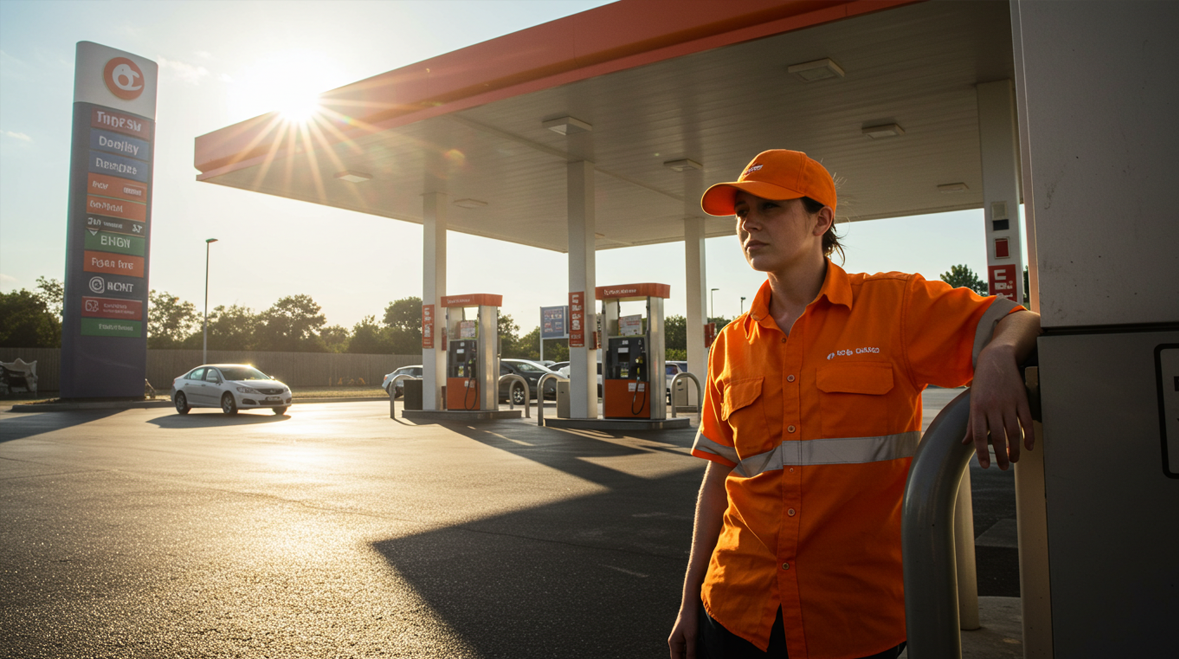
Running a c-store during a Southeastern summer means dealing with some of the most intense workplace heat exposure in the country. The sun doesn’t just bear down on parking lots—it bakes through fuel canopies, reflects off asphalt, and lingers in outdoor storage zones. For employees restocking outside ice chests, maintaining fuel pumps, hauling inventory from trailers, or doing trash runs in the midday sun, the risks aren’t abstract. They’re real. Dehydration, heat exhaustion, and even heatstroke become legitimate dangers when protective measures aren’t put in place, and as the operator, it’s your job to ensure that safety isn’t just an afterthought—it’s built into your summer rhythm.
That rhythm needs to begin with awareness. One of the biggest mistakes stores make is assuming that just because a team member has “worked summers before,” they’re prepared to handle the current one. But summer heat isn’t a static force—it changes year to year, and climate trends over the past decade have shown hotter starts, longer heat waves, and higher humidity spikes across much of the Southeast. The body doesn’t acclimate to extreme heat overnight. It needs time, consistency, and support. And that means owners and managers must go beyond handing out water bottles or placing a fan by the register.
Hydration, in particular, deserves focused attention. It’s easy to say “drink more water,” but harder to ensure it actually happens during a busy shift. People often don’t feel thirsty until dehydration has already begun, especially in fast-paced work environments where there’s little time to pause. Encouraging staff to hydrate needs to be more than a memo—it should be built into the culture. Offering chilled electrolyte-enhanced beverages alongside plain water can make a big difference, not just in keeping people physically stable, but in showing that their health is a real priority. Several convenience store operators have found success by simply designating a central “hydration station” in the back room during the summer months—nothing elaborate, just a clean, cold place where employees know they can refill and recharge without being rushed.
Equally important is recognizing the signs of heat stress before they escalate. Dizziness, headaches, fatigue, irritability—these symptoms are often brushed off or attributed to lack of sleep or skipping breakfast. But in the context of high heat, they can be early warnings of more serious conditions. Managers should be trained to spot these signs, but so should everyone else on the team. When coworkers know how to watch out for one another, it creates a safety net that’s much stronger than policies on paper. Encouraging open communication—without judgment—about how people are feeling physically can prevent problems before they start. A culture of “checking in” can go a long way toward keeping the workplace safe.
And then there’s the issue of outdoor work. Not all c-store duties happen inside the comfort of air conditioning. Taking out trash, breaking down boxes, restocking propane, dealing with fuel pump issues, sweeping the parking lot—these are all essential tasks that keep the store running and looking good. But in the peak of summer, they also expose employees to extreme conditions that can shift rapidly from uncomfortable to dangerous. Owners should consider how these tasks are scheduled, particularly during the hottest hours of the day. Can they be moved to early morning or evening shifts? Can staff rotate to limit exposure time? Adjusting routines—even slightly—can make a massive difference in how employees handle sustained heat over a multi-day stretch.
Even within the store, the heat can creep in. Not every air conditioning system is built for the high-load conditions that Southeast summers deliver. Older units can struggle to keep the temperature consistent, especially near entryways where doors open constantly. Refrigeration units, too, generate ambient heat and put extra strain on the HVAC system. That’s why summer maintenance isn’t optional—it’s mission-critical. Having your HVAC professionally inspected and tuned up before the worst heat hits isn’t just smart—it’s responsible. A cool, stable store interior doesn’t just make customers more comfortable and likely to browse longer—it also protects your staff from the stress of trying to do their jobs while physically overheating.
Heat safety isn’t just a best practice—it’s increasingly a regulatory focus. While there’s no permanent federal OSHA standard specifically for heat exposure (yet), the agency has made clear that it considers extreme heat a workplace hazard under the General Duty Clause. OSHA has already launched a National Emphasis Program on heat-related illness and injury prevention, which includes targeted inspections of workplaces during high-risk periods. In plain terms: convenience stores are on their radar. That means store owners need to be proactive, not reactive. Developing a written heat safety plan—even a simple one—and communicating it clearly to your staff can demonstrate good faith and help ensure compliance. It also reassures your team that their safety isn’t just lip service.
But what about the customer side of the equation? They might not be working a shift in the heat, but they’re still walking into your store after being in a hot car, stuck in traffic, maybe wrangling kids on a road trip or rushing between errands. That moment when they open your door and feel a cool, clean, inviting environment—it matters. You don’t have to install misting fans or cold towels at the counter (though some stores do!). But you can train your team to offer cold drink suggestions, know where to direct someone looking for a quick refresh, or even keep sunscreen and lip balm near the register in small displays. These small touches don’t just boost sales—they build goodwill. Customers remember stores that feel like an oasis. And that’s exactly what your store can be, if it’s prepared.
Preparedness can also extend to how you manage outdoor areas. Shaded trash enclosures, well-maintained fueling areas, and stocked windshield wash stations all contribute to a better—and safer—experience. More stores are also investing in shade sails or retractable awnings over outdoor seating areas or smoking zones, giving both customers and employees a small but crucial layer of protection. These aren’t just aesthetic upgrades. They’re part of a larger safety strategy that acknowledges the reality of summer conditions and takes action accordingly.
Ultimately, what sets strong convenience store operations apart during the summer isn’t just what’s on the shelf or how many cold drinks you’ve stocked. It’s how you manage the heat. How you anticipate it, plan for it, and create systems that protect your people. When your employees feel seen, supported, and physically comfortable, they work better. They serve customers more cheerfully. They stay longer. And all of that impacts the bottom line in ways that go far beyond air conditioning costs.
So take a moment, as summer heats up, to walk through your store with fresh eyes. Ask your team what the hottest parts of their shift feel like. Check your equipment before it fails. Look at your shift schedules with flexibility. Build a space that’s designed for the real conditions of a Southeastern summer, not just the ideal ones. Because in the end, safety isn’t just about avoiding risk. It’s about building a store that people want to be in—whether they’re working or shopping—when the temperature outside is climbing toward triple digits.
And when you do that, you’re not just surviving summer. You’re mastering it.
Newsletter
Stay Informed with
Top Headlines
Category



Insights and trends shaping U.S. convenience retail.
Content is provided for informational purposes only and does not constitute legal, financial, or professional advice.