Top Beverage Trends Your Customers Are Reaching For This Summer
Every summer, the convenience store cooler becomes the beating heart of the business. It’s not just another fixture tucked along the back wall—it’s the destination. It hums, it glows, it draws people in from the heat like a magnet. And during summer in the Southeast, that attraction only intensifies. Customers aren’t casually browsing—they’re seeking. They want cold, they want now, and increasingly, they want better. Better choices, better benefits, better-tasting refreshment that keeps up with how they live.
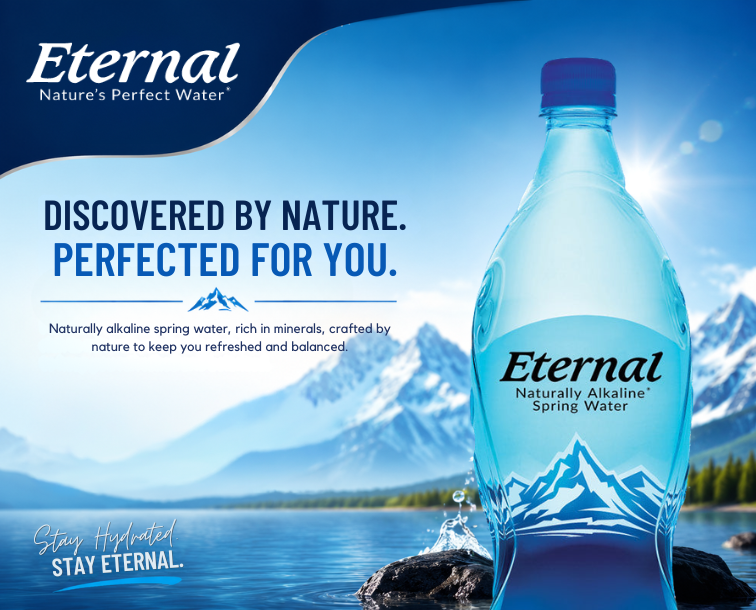
This year, what’s inside the cooler is undergoing a real transformation. The staples—Coke, Pepsi, Gatorade—aren’t going anywhere, and they continue to drive volume, especially during hot-weather spikes and road trip season. But in 2025, those products are no longer standing alone. They’re now part of a broader lineup that reflects a massive consumer shift toward functionality, wellness, and lifestyle-driven consumption. The growth of brands like Celsius, Monster Energy Ultra, and Eternal Water is no accident. Customers are making more nuanced decisions about what they grab—and what they put back.
What’s driving this? First, the explosion of functional beverages is reshaping expectations. The cooler used to be all about quenching thirst. Now it’s about delivering performance. Whether it’s a drink that boosts energy without the crash, hydrates better than water, supports gut health, or offers nootropic ingredients for focus, people aren’t just looking for refreshment—they’re looking for results. And they’re willing to pay for it. Celsius, for example, has experienced triple-digit growth in the last two years by marketing clean energy and thermogenic benefits to younger, active consumers. White Claw has carved out space with its low-calorie spiked seltzer format that appeals to socially active but health-conscious adults, especially during warmer months. Even traditional hydration brands like Gatorade have expanded into performance-enhanced sublines like Gatorlyte, catering to electrolyte-focused drinkers who want more than the legacy formula.
These aren’t just fad items—they’re part of a bigger lifestyle pattern. Shoppers are increasingly walking into c-stores with specific drink “missions.” Maybe it’s a gym-goer looking for a post-workout recovery option. Maybe it’s a tired traveler grabbing a no-crash caffeine hit. Maybe it’s a parent wanting a zero-sugar, kid-friendly water alternative. That diversity in intent has made the cooler space one of the most important—yet competitive—zones in the store.
And it’s not just about functionality. Flavors are evolving just as quickly. Summer 2025 is seeing a surge in demand for bright, tropical, and nostalgic profiles. Watermelon, pineapple, yuzu, blood orange, cucumber mint—these are flavors that evoke the season but also offer something beyond the basics. Consumers are bored with “lemon-lime” and “berry blast.” They want something that sounds like a vacation. Brands that take risks with flavor innovation—especially in the sparkling water and energy drink categories—are reaping the rewards. That’s why stocking emerging profiles while keeping bestsellers in full rotation is so critical right now. It’s not either/or—it’s both.
Retailers are also paying closer attention to pack size and packaging appeal. Slim cans suggest lightness and health, while clear bottles feel fresh and clean. Single-serve is still dominant, but there’s rising interest in multi-packs for travelers or family groups. When positioned near the grab-and-go meals or snack walls, these bundles can increase basket size significantly. And yes, impulse is still king—but the nature of the impulse is evolving. It’s no longer just a cold soda for the drive. It’s a moment of choice that reflects how the customer wants to feel for the next hour. Alert? Recovered? Clean? Socially connected? That’s the level of consideration happening at the cooler door.
For convenience store operators, the question is no longer whether to offer variety—it’s how to curate it. That means taking stock not just of what’s selling, but who is buying it. Are your morning rush customers grabbing energy drinks? Are you seeing more young adults choosing low-sugar hydration waters over traditional sodas? Do your weekend sales spike in alcohol-based seltzers like Cayman Jack or ClawTail? This isn’t about chasing every trend. It’s about building the cooler set that reflects your store’s demographic, your foot traffic rhythms, and your region. The Southeast, with its mix of tourists, commuters, and outdoor enthusiasts, needs options that balance refreshment with portability, lifestyle with indulgence.
And then there’s the role of merchandising and signage, which matters more than many realize. A well-stocked, brightly lit cooler doesn’t just invite purchases—it builds trust. Customers make mental notes of stores that always have their go-to drinks cold and in stock. Conversely, a messy cooler, poor shelf facings, or half-stocked rows can instantly create friction. Digital signage, seasonal flavor callouts, and bundle promotions (especially cold drink + snack or energy drink + protein bar) help nudge customers toward high-margin purchases. And let’s not forget pricing clarity—nothing kills an impulse buy faster than ambiguity at the shelf.
So what should you do with all this? First, take stock—literally. Audit your cooler regularly. See what’s selling, what’s just sitting, and what your customers are asking for that you don’t yet carry. Be willing to test new lines, especially those that speak to summer-specific needs like hydration, hangover recovery, or beach-friendly beverages. Keep a close eye on the regional performance of emerging categories, and don’t be afraid to let slower-moving SKUs rotate out in favor of faster, more functional formats. And most importantly, listen to your customers—what they ask for at the register, what they buy in multiples, what disappears first on a 95-degree Saturday.
Summer moves fast. The weather shifts. Trends evolve. And the cooler? It’s your most dynamic piece of real estate. Get it right, and your customers won’t just cool off—they’ll come back.
Newsletter
Stay Informed with
Top Headlines
Category
Insights and trends shaping U.S. convenience retail.
Content is provided for informational purposes only and does not constitute legal, financial, or professional advice.