
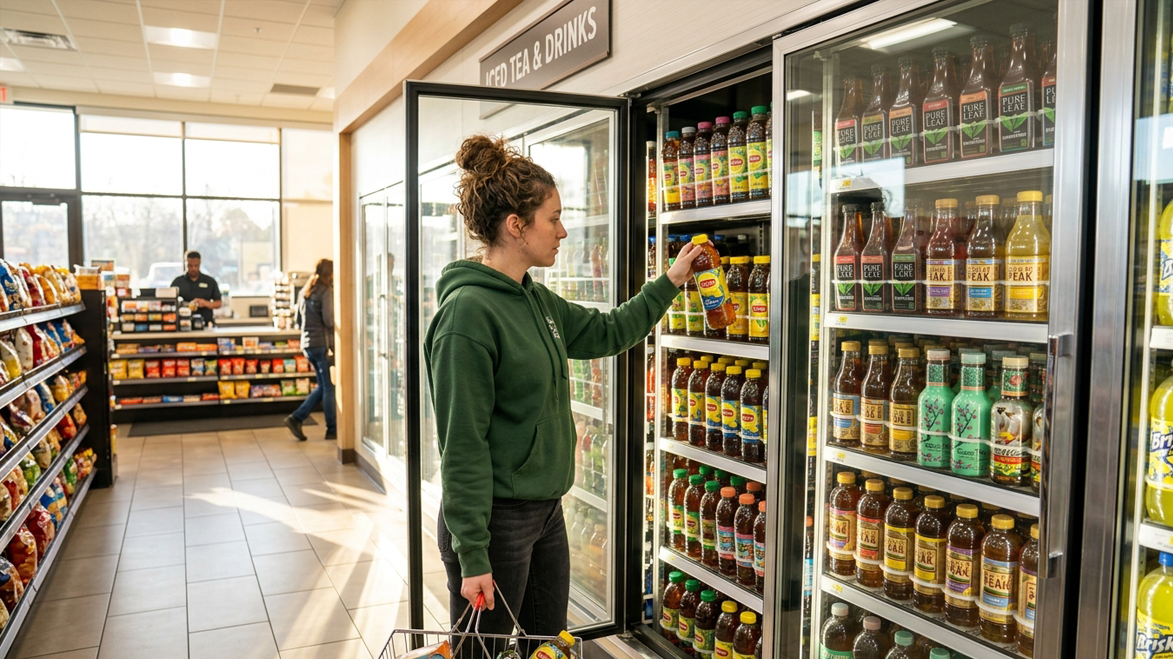
In convenience stores across the Southeast, iced tea never really went away. It might not have gotten the same attention as energy drinks or newer beverage categories, but it remained steady sitting in the cooler, moving consistently. For certain customers, it remained part of a daily routine that changed little over time.
Iced tea isn’t suddenly new again, but some are starting to pay attention to it differently.
“recognize the value of products that customers return to without needing to be convinced”
For years, the beverage conversation inside convenience stores has been dominated by growth categories. Energy drinks expanded rapidly, functional beverages promised hydration, focus, and wellness benefits, and ready-to-drink coffee attracted younger customers seeking something quick and familiar. All of these categories earned their space because they delivered strong sales and high margins.
In the middle of all that, iced tea often felt like the quiet category, not generating the same excitement and not commanding the premium price of newer drinks. But it did something that many trend-driven products struggle to do: it sold consistently.
Consistency is part of why iced tea is starting to regain attention. As the beverage cooler becomes more crowded and more competitive, operators are beginning to recognize the value of products that customers return to without needing to be convinced.
In the Southeast especially, iced tea has always carried a different kind of weight. Sweet tea is part of the culture. Customers grow up drinking it at home, ordering it at restaurants, and expecting to find it everywhere drinks are sold.
“That kind of built-in loyalty is difficult to create with newer beverage trends.”
In many stores, a well-maintained sweet tea program can still compete with other beverage categories in repeat purchases. Customers who buy sweet tea regularly do not need to be introduced to it. They already trust it, and they come back for it.
That kind of built-in loyalty is difficult to create with newer beverage trends. It takes time, and in some cases it never fully develops. Iced tea already has that foundation in place, particularly in Southern markets.
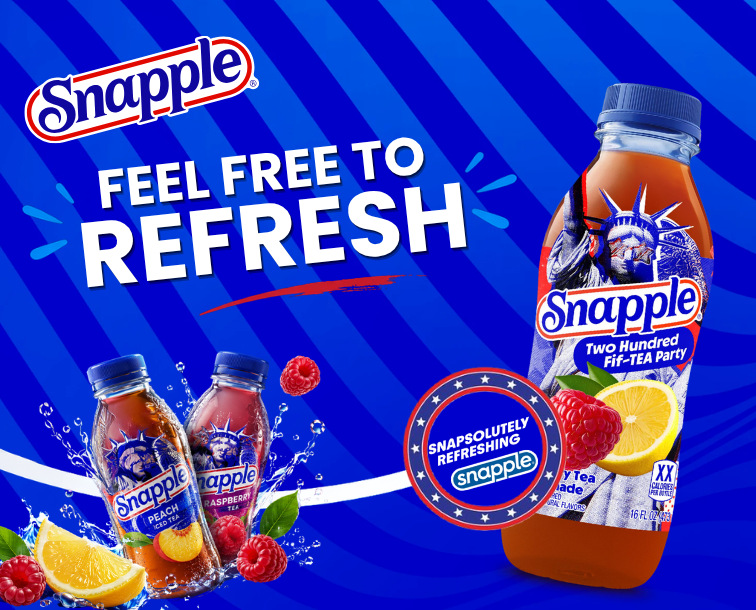
What has changed recently is the expansion of ready-to-drink tea options that build on familiarity while appealing to a broader audience. Bottled teas now come in a wide range of styles, from traditional sweet tea to unsweetened varieties, flavored blends, and products positioned around natural ingredients or lower sugar content.
For younger consumers, especially those who have grown up with a wider range of beverage choices, tea offers something that sits comfortably between categories. It is not as heavy as a soda, not as intense as an energy drink, and not as specialized as some functional beverages. It feels familiar, but it can also feel like a better option depending on how it is positioned.
“tea offers something that sits comfortably between categories”
This has led to renewed interest in premium bottled teas and refrigerated options that emphasize freshness and quality. Packaging plays a role here as well. Glass bottles, clean labels, and messaging around natural ingredients can make tea feel more elevated than it did in the past.
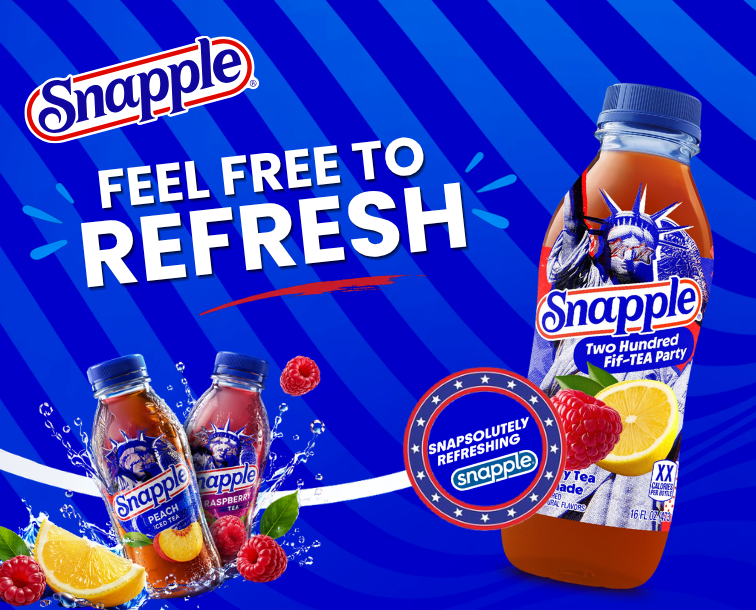
At the same time, flavored teas have opened the door for customers who may not have been traditional tea drinkers. Lemon, peach, raspberry, and other fruit flavors provide an entry point that feels approachable. These products bridge the gap between traditional tea and the broader flavored beverage market, creating an interesting opportunity inside the cooler. Tea no longer has to be limited to a single section with limited variety. It can be part of multiple segments, including traditional sweet tea, flavored options, and premium bottled products.
The question becomes how much space it should occupy relative to other categories. The answer may be more than it is today.
When a category delivers consistent, repeat sales, it deserves attention. Expanding tea offerings slightly, particularly with products that align with customer preferences, can strengthen overall beverage performance without relying entirely on trend-driven items.
“The question becomes how much space it should occupy relative to other categories.”
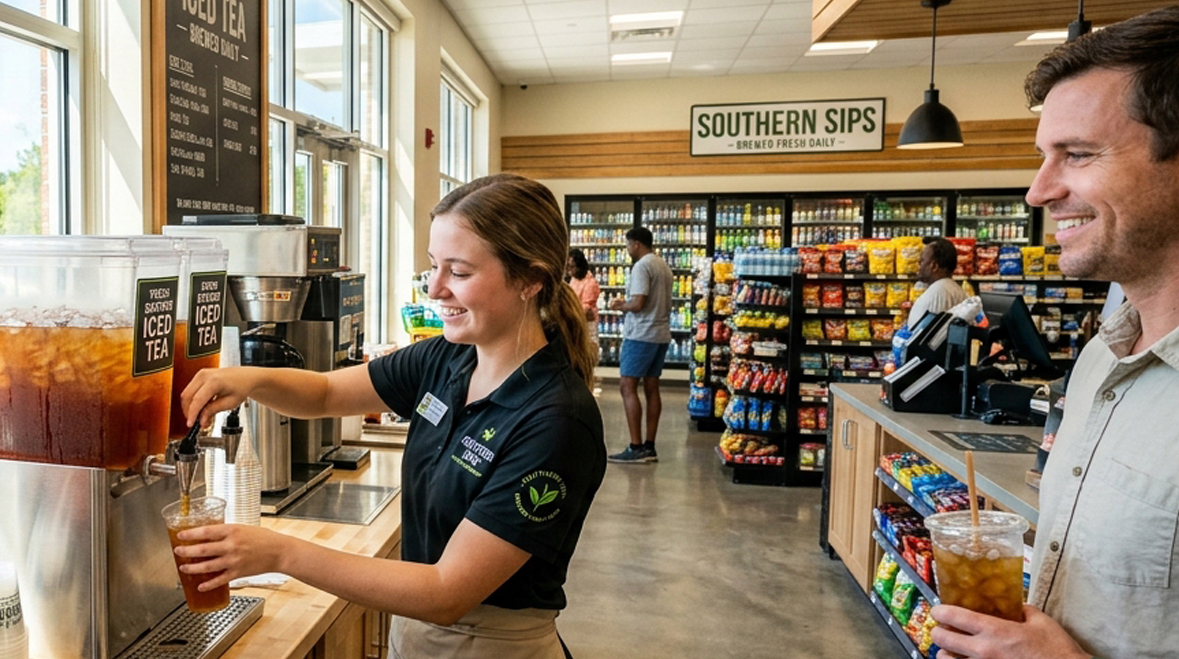
Fresh brewed tea programs add another layer to this conversation. In many markets, freshly brewed sweet tea remains one of the strongest performing beverages in the store. It pairs naturally with food, it is priced competitively, and it carries a level of familiarity that few other drinks can match.
A well-executed tea program does not need to be complicated. Consistency matters more than variety. Customers expect the same taste every time they purchase it, and maintaining that standard builds trust over time.
Placement also plays a role in how these programs perform. Tea positioned near the foodservice area or fountain drinks can benefit from customers already thinking about a meal. It becomes part of the purchase rather than an afterthought.
As customers move between categories, seeking different options depending on the time of day or the occasion, tea occupies a middle ground that is becoming increasingly valuable.
“It pairs naturally with food, it is priced competitively, and it carries a level of familiarity that few other drinks can match.”
It can serve as a meal beverage, a daytime refreshment, or an alternative to soda or energy drinks. The flexibility allows it to serve multiple roles, which increases its overall importance.
The challenge is recognizing where tea fits within their specific customer base. Not every store will see the same level of demand, and regional differences matter. But in areas where tea has always been part of the culture, there is often more opportunity than the current cooler set reflects.
Evaluating tea performance starts with looking at repeat purchases. Are customers consistently coming back for the same products? Are certain sizes or flavors moving faster than others? Does fresh brewed tea sell steadily throughout the day?
Patterns provide a clearer picture than any trend report or supplier pitch.
“Patterns provide a clearer picture than any trend report or supplier pitch.”
The broader beverage category will continue to evolve, and new products will compete for shelf space. Some, like iced tea, earn their place quietly by doing what they have always done. Showing up, meeting expectations, and selling again tomorrow.
The broader beverage category will continue to evolve, and new products will compete for shelf space. Some, like iced tea, earn their place quietly by doing what they have always done. Showing up, meeting expectations, and selling again tomorrow.
Share:
Newsletter
Stay Informed with
Top Headlines
Category

Insights and trends shaping U.S. convenience retail.
Content is provided for informational purposes only and does not constitute legal, financial, or professional advice.