
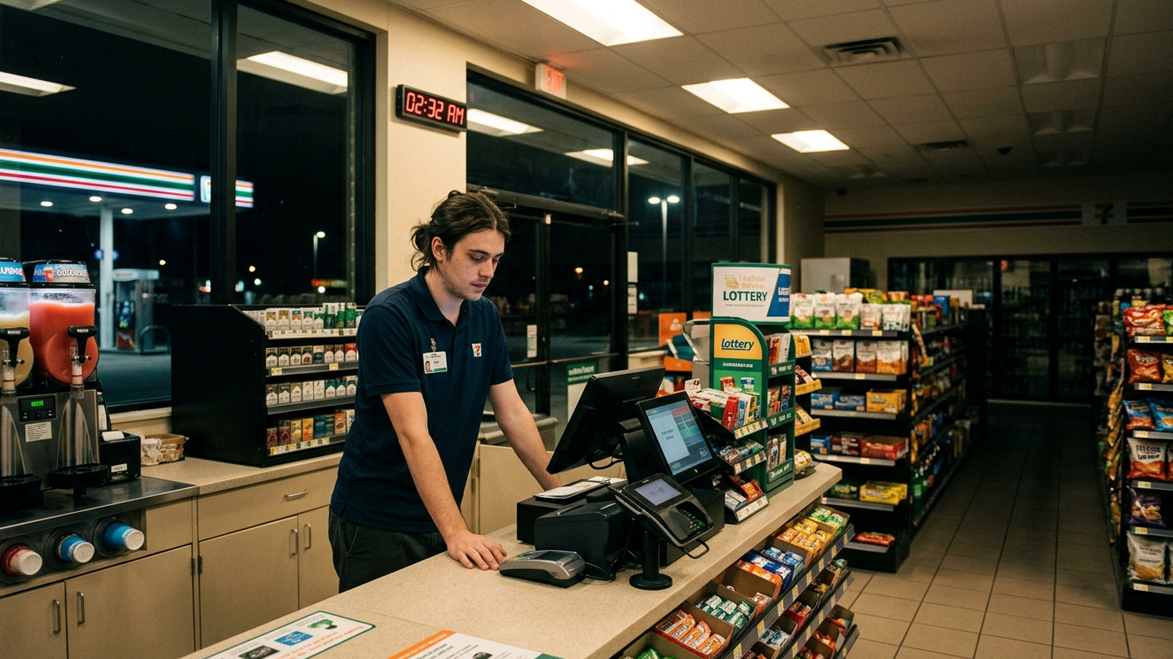
There is something different about a business that never locks its doors.
Most retailers get a reset at the end of the day. Employees go home, the lights go off, and whatever didn’t get finished can wait until tomorrow. Convenience stores do not get that luxury. The register keeps ringing, the fuel keeps pumping, customers keep coming through the door, and every hour has to be staffed whether it’s two in the afternoon or two in the morning.
This reality creates one of the most difficult balancing acts in the business. Labor is already one of the largest controllable expenses for most operators, but unlike other costs, labor is also deeply personal. You’re not just managing numbers on a spreadsheet. You’re managing people, schedules, families, emergencies, personalities, and expectations, all while trying to keep the store operating twenty-four hours a day.
“You’re managing people, schedules, families, emergencies, personalities, and expectations”
Most operators don’t struggle with labor because they don’t understand how to schedule. They struggle because a store that never closes creates pressure that never completely goes away.
“A store that never closes creates pressure that never completely goes away.”
The issue isn’t normally the pay. Overnight work changes a person’s life. It changes sleep patterns, family routines, social schedules, and in many cases how long someone sees themselves staying in a job. Even good employees who perform well overnight often view it as temporary rather than permanent. As a result, turnover tends to be higher, training costs increase, and the same positions often have to be filled repeatedly.
When an overnight employee leaves, the impact rarely remains limited to the overnight shift. Someone else has to pick up the hours. Managers normally step in, reliable employees get asked to stretch a little further, and schedules become less predictable. Before long, a staffing issue affecting one shift starts affecting the entire store.
“A staffing issue affecting one shift starts affecting the entire store”
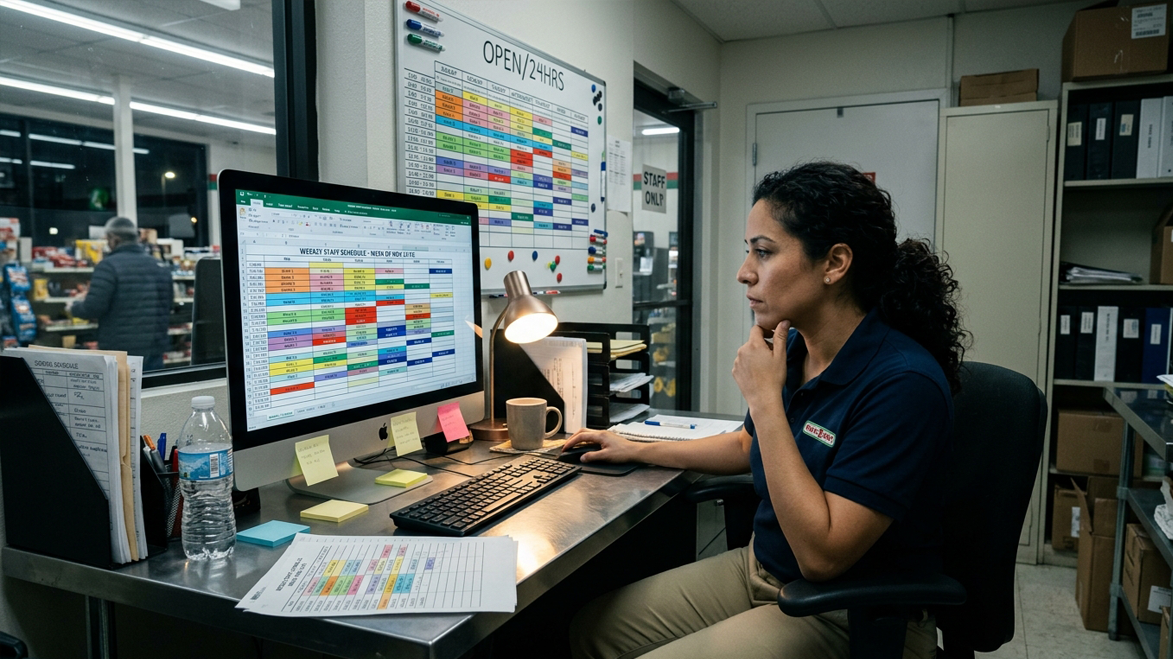
That’s why some of the best operators spend less time trying to create the perfect schedule and more time creating a predictable one.
People can adapt to difficult schedules far more easily than to constantly changing ones. An employee who knows exactly when they’re working next week, next month, and even several months from now can build a life around that stability. An employee who receives a different schedule every week often feels like they’re living shift to shift.
Many operators have found success by building dedicated overnight teams rather than rotating employees during those hours. It can take longer to find the right people initially, but once those employees settle into a routine, retention often improves dramatically.
“People can adapt to difficult schedules far more easily than to constantly changing ones”
They stop viewing overnight work as something they’re temporarily covering and start viewing it as their actual shift.
The stores that seem to handle labor best are the ones that remove as much uncertainty as possible. Employees know when they’re working, what’s expected of them, and who they’re working with. Consistency reduces stress, and lower stress almost always leads to lower turnover.
“Lower stress almost always leads to lower turnover.”
Of course, labor management isn’t just about filling overnight shifts. The bigger challenge is creating a structure that can survive month after month without burning people out.
Convenience stores have a way of quietly asking for more. One extra shift here, a weekend there, a holiday coverage request, or a double shift because someone called out. None of these situations feel catastrophic on its own, but over time they add up.
“The employees who consistently save the day are often the same employees most at risk of leaving.”
Good operators watch for employees who are carrying too much of the load and look at recovery time between shifts. They avoid scheduling someone to close late one night and return early the next morning whenever possible. They understand that burnout rarely arrives all at once, that it builds slowly until one day a dependable employee simply decides they’ve had enough.
Late-night employees often work with fewer people around them and deal with unfamiliar customers. They encounter situations that daytime employees rarely experience.
Because of that, labor planning and safety planning are often the same conversation.
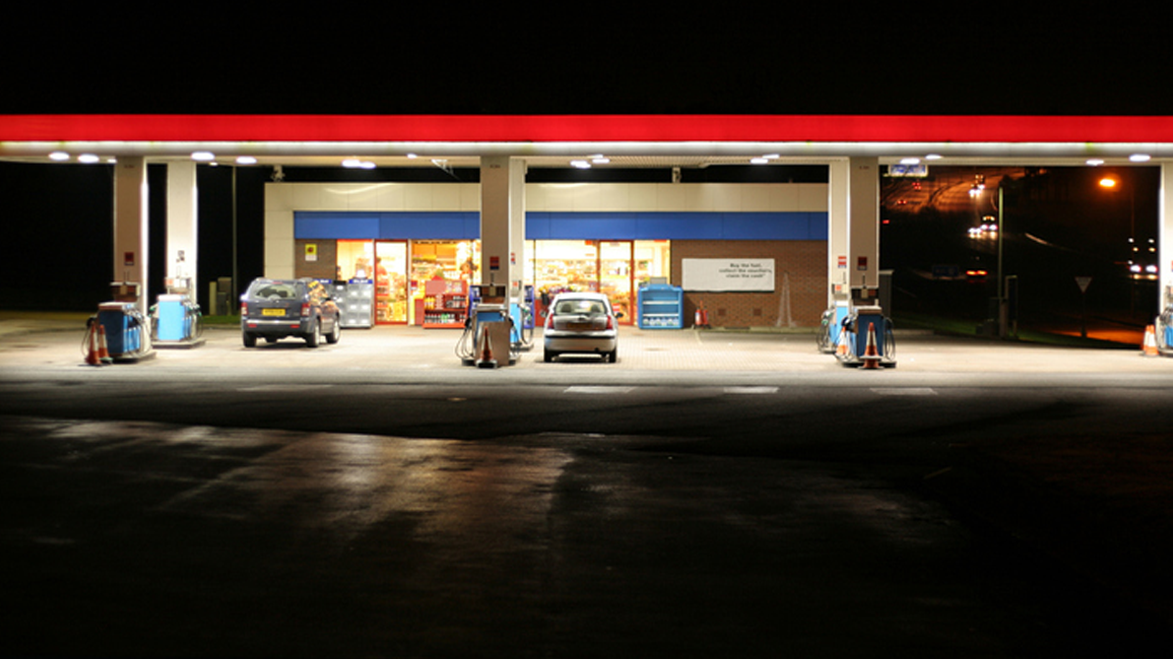
Employees should feel confident in the environment they’re working in. Well-lit parking lots, functioning cameras, clear visibility throughout the store, and straightforward safety procedures do more than reduce risk. They help employees feel supported.
Training matters just as much. Employees need to know how to respond when something doesn’t feel right. More importantly, they need to know that management expects them to prioritize their safety over a transaction.
At the same time, operators still have to make the numbers work. Staffing a store around the clock is expensive, and every market has periods where traffic simply doesn’t justify excessive labor. The goal isn’t maximizing coverage, it’s matching coverage to demand, especially overnight.
When there are only one or two employees in the building, everyone needs to be able to handle multiple responsibilities. Stocking, cleaning, foodservice, customer transactions, receiving deliveries, and problem-solving all fall under the same job.
Cross-training creates flexibility, but more importantly, it creates resilience. When someone calls out, the store doesn’t immediately become vulnerable. Other team members can step in because they’ve already been taught how the operation works beyond their primary role.
At the end of the day, labor management in a twenty-four-hour operation isn’t really about scheduling software, payroll percentages, or shift templates. Those things matter, but it’s people that keep a store running.
The stores that consistently navigate labor challenges aren’t the ones with the biggest teams or the largest budgets; they’re the ones that create stability, build predictable routines, and invest in their people.
In a business that never closes, people remain the most important asset in the building.
Share:
Newsletter
Stay Informed with
Top Headlines
Category





Insights and trends shaping U.S. convenience retail.
Content is provided for informational purposes only and does not constitute legal, financial, or professional advice.