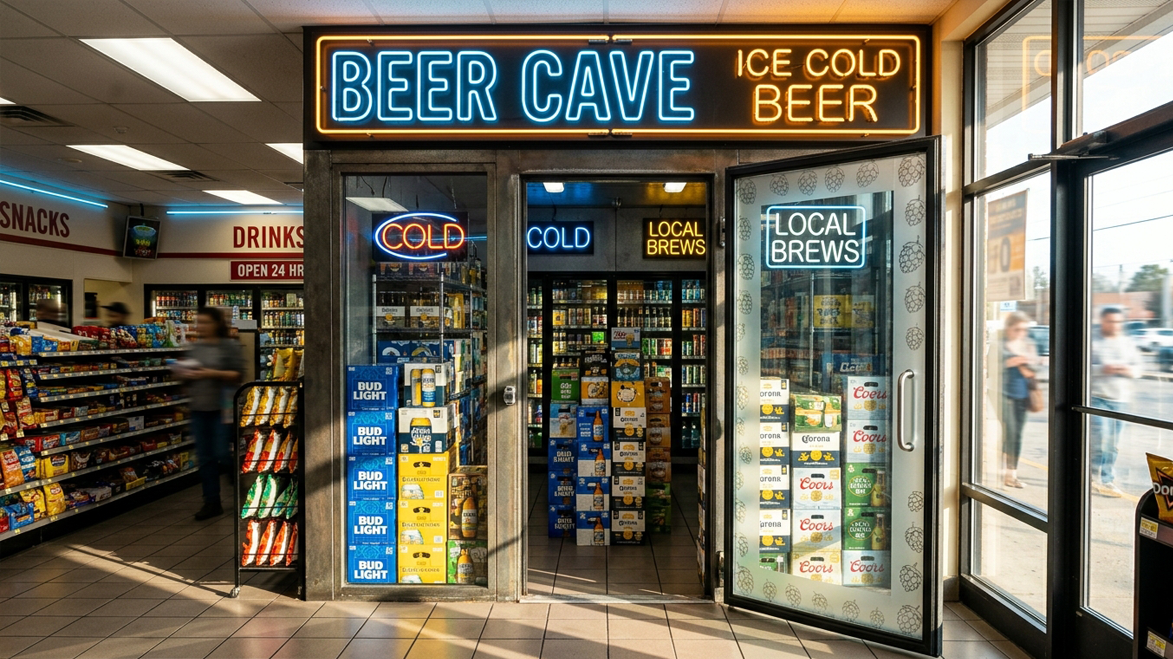
For a long time, beer, wine, and spirits in the convenience channel were treated as a given. You carried the core brands, kept the cold vault full, stayed competitive on price, and let the category do what it does.
That approach still works, to a point.
The category has changed but, more importantly, the customer has changed.
Today’s shopper walks into a convenience store with a very different set of expectations than they did even five years ago. They are more aware of brands, more willing to try something new, and more comfortable buying premium products in a channel that used to be defined by speed and simplicity.
For operators, that creates both an opportunity and a challenge. The opportunity is clear: beer, wine, and spirits can be one of the most productive categories in the store. The challenge is that it no longer runs on autopilot.
“The challenge is that it no longer runs on autopilot.”
What’s Changed—and Why It Matters
If you look at the category today, a few shifts stand out.
First, there has been a steady move toward premiumization. Customers are trading up—not across the board, but often enough that it matters. Whether it’s a higher-end THC beverage, a better wine, or a recognizable imported beer, shoppers are showing a willingness to spend a little more if the product feels worth it.
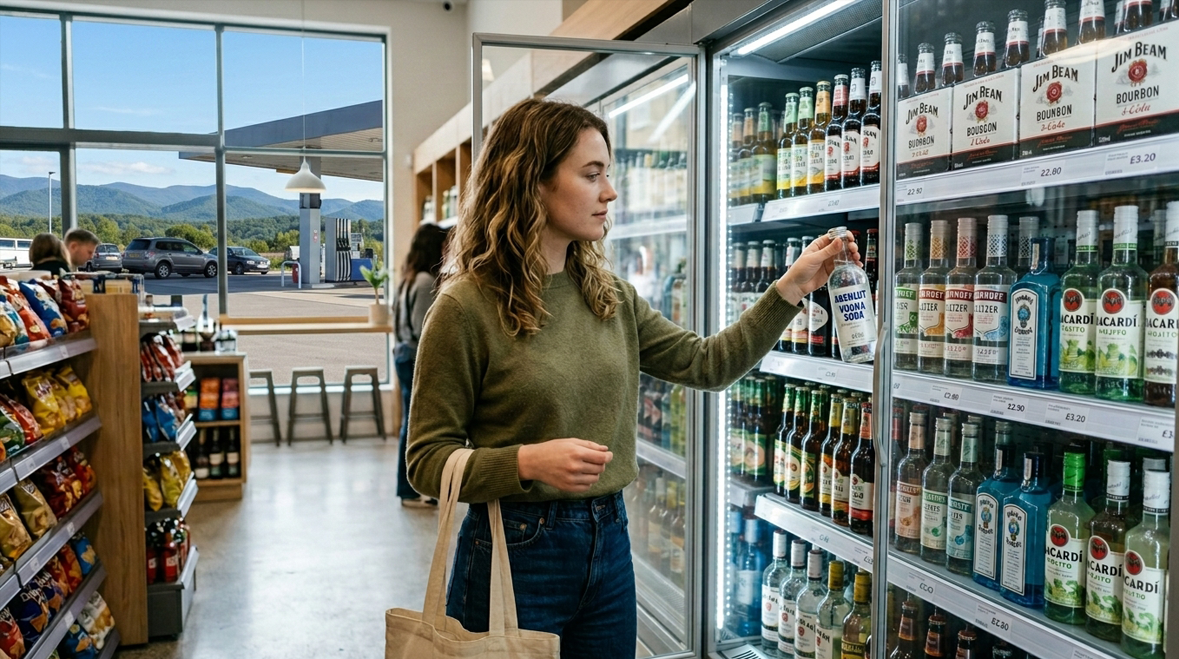
Second, the growth of ready-to-drink (RTD) beverages has reshaped the set. What started as a niche has become a major part of the category. Spirit-based RTDs, in particular, have expanded rapidly, bringing in customers who may not have traditionally purchased spirits in a convenience setting.
You’re seeing products like High Noon, Cutwater, and other spirit-based canned cocktails perform alongside traditional beer, not instead of it. This fact changes how space should be allocated and how products are grouped.
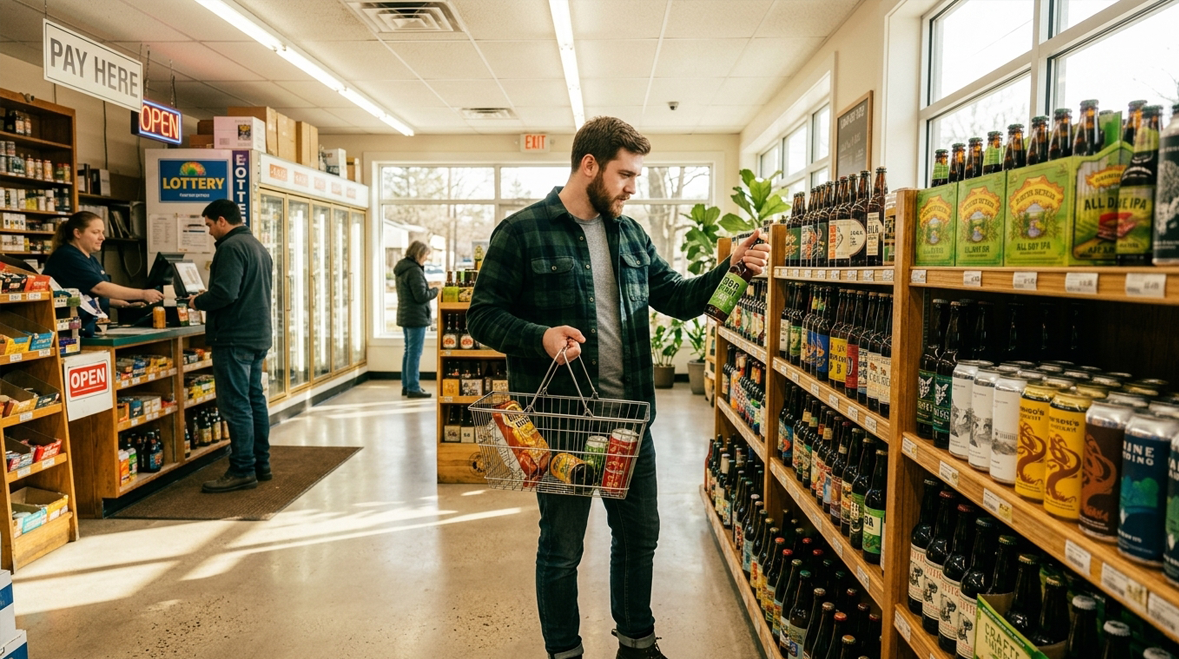
Third, variety matters more than it used to. Customers still expect to find the core brands, but they also expect some level of discovery. It doesn’t mean turning your store into a specialty shop, but it does mean being intentional about offering a mix that feels current.
Many operators seem to underestimate how quickly customers notice when a set feels outdated.
The Role of Assortment: Balance Over Volume
One of the more common patterns in stores is over-reliance on a narrow group of high-volume SKUs. It’s understandable because these products drive turns, and turns matter.
But there’s a point where adding more of the same stops adding value.
A stronger approach is to think in terms of balance:
- Core products that drive consistent volume
- Recognizable premium brands that trade customers up
- A small number of newer or trending items that keep the set relevant
“shoppers are showing a willingness to spend a little more if the product feels worth it.”
For example, in beer, that might mean maintaining your top domestic packages while carving out some space for a few strong craft or import options that have proven demand in your market.
In spirits, it could mean going beyond just the entry-level price points and including a handful of well-known premium brands, particularly in high-growth categories like tequila and bourbon.
This is also where a good distributor relationship becomes more than just logistics. Partners like United Distributors are working across thousands of accounts and can often see patterns forming before they become obvious in a single store’s data. Used the right way, the insight can help operators make better decisions without overextending inventory.
Merchandising: Small Changes, Real Impact
Execution inside the store still plays a bigger role than many operators expect.
A few practical observations that consistently make a difference:
- Products that are easy to shop tend to sell better. It sounds obvious, but cluttered or inconsistent sets create friction. Clear segmentation—beer, wine, spirits, RTDs—helps customers find what they want quickly.
- Cold space should reflect actual demand, not just a store’s habit. In many stores, space allocation hasn’t kept up with the growth of RTDs or premium single-serve options.
- Placement matters. Eye-level positioning in the cold vault is some of the most valuable real estate in the store. Using that space intentionally, rather than letting it default, can lift sales without adding a single SKU.
- Cross-merchandising is often underused. Simple adjacencies, like placing mixers near spirits or salty snacks near beer, can increase basket size in a way that feels natural.
None of these require a full reset. They’re small adjustments, but they add up.
“variety matters more than it used to”
Compliance and Operational Reality
Unlike most other categories in the store, alcohol comes with a layer of complexity that can’t be ignored.
Regulations vary by state and locality, and they change over time. In Georgia, for example, rules around Sunday sales, package sizes, and licensing have evolved, and operators need to stay current to avoid costly mistakes.
Age verification is another area where consistency matters. Training staff to follow the same process every time protects the business and builds a culture of accountability.
Shrink and theft can also be a concern, particularly with higher-value spirits. Store layout, visibility, and in some cases locked displays all play a role in managing that risk without making the shopping experience feel restrictive.
These aren’t the most exciting parts of the category, but they are part of running it well.
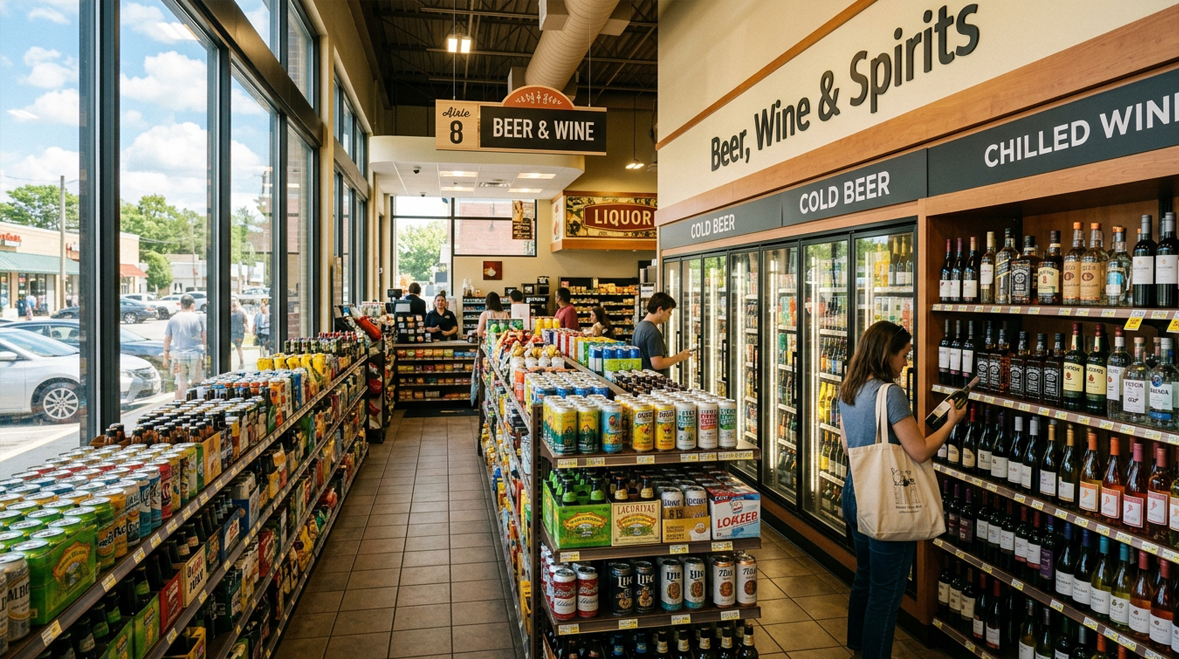
Understanding the Customer in Front of You
One of the advantages convenience stores have is proximity. You’re serving the people who physically walk into your store every day. Local insights can be very valuable because of this.
The mix that works in Alpharetta may not be identical to what works in another part of the state, and certainly not in another region of the country. Demographics, income levels, and even nearby competition all influence what sells.
That’s another area where paying attention, and asking questions, pays off. What are customers asking for that you don’t carry? What products are moving faster than expected? What’s sitting longer than it should?
Over time, these observations are often more useful than any national trend report.
“being intentional about offering a mix that feels current.”
Where the Category Is Headed
Looking ahead, a few trends are likely to continue shaping beer, wine, and spirits in convenience:
- Continued growth in RTDs, especially spirit-based options
- Ongoing strength in tequila and American whiskey
- Increased interest in premium and “better for you” products (including low- and no-alcohol alternatives)
- More crossover between categories, with products that don’t fit neatly into traditional definitions
At the same time, value is not going away. Even as some customers trade up, others are paying closer attention to price. A successful set needs to accommodate both.
“What are customers asking for that you don’t carry?”
A Practical Way to Think About It
It can be helpful to step back and look at the category with a simple question:
Does the current set reflect how my customers actually shop today?
Not how they shopped five years ago. Not how the store was originally set up. Today.
In many cases, the answer is “partially”, and that’s where the opportunity is.
You don’t need to overhaul everything at once. A few thoughtful adjustments can move the category forward in a meaningful way.
Beer, wine, and spirits will continue to be a core part of the convenience business. Those who treat it as an evolving category, rather than a static one, are most likely to get the full value out of it.
Resource Link
The Rise of the RTD Cocktail NIQ: C-Stores Gain Share of Wine and Spirits Soaking Up C-Store Insights on Ready-to-Drink Cocktail Sales Report Finds Significant Market Growth in Spirits-Based Ready-to-Drink Category Alcoholic Beverage Trends 2026
Share:
Newsletter
Stay Informed with
Top Headlines
Category

Insights and trends shaping U.S. convenience retail.
Content is provided for informational purposes only and does not constitute legal, financial, or professional advice.