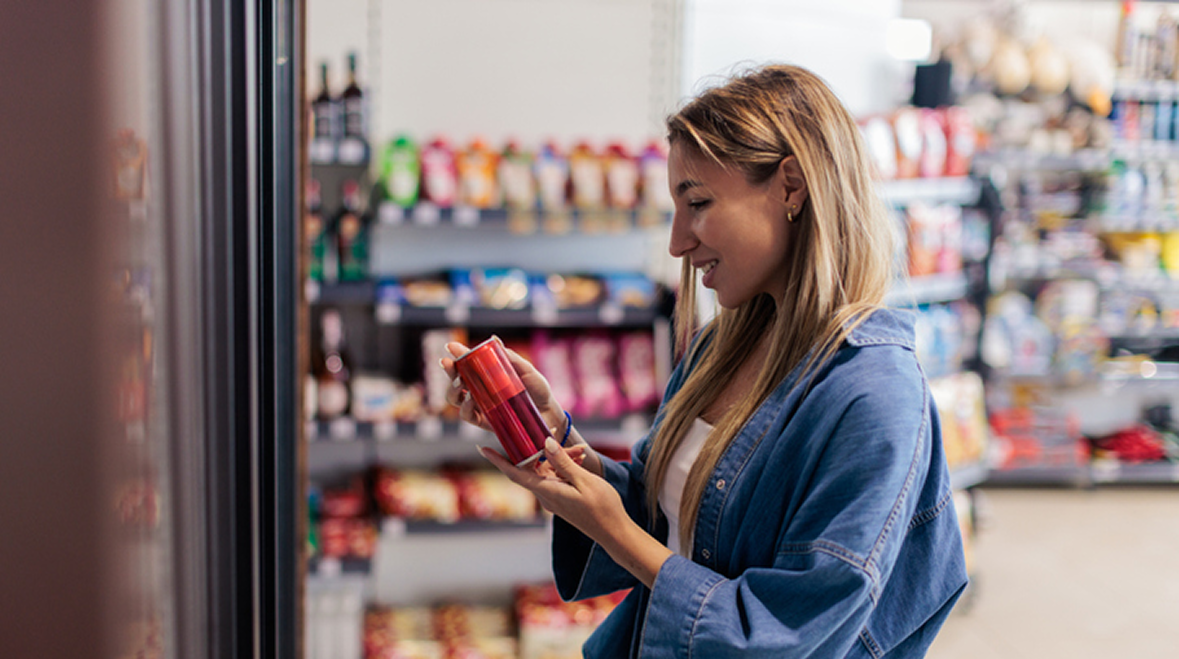
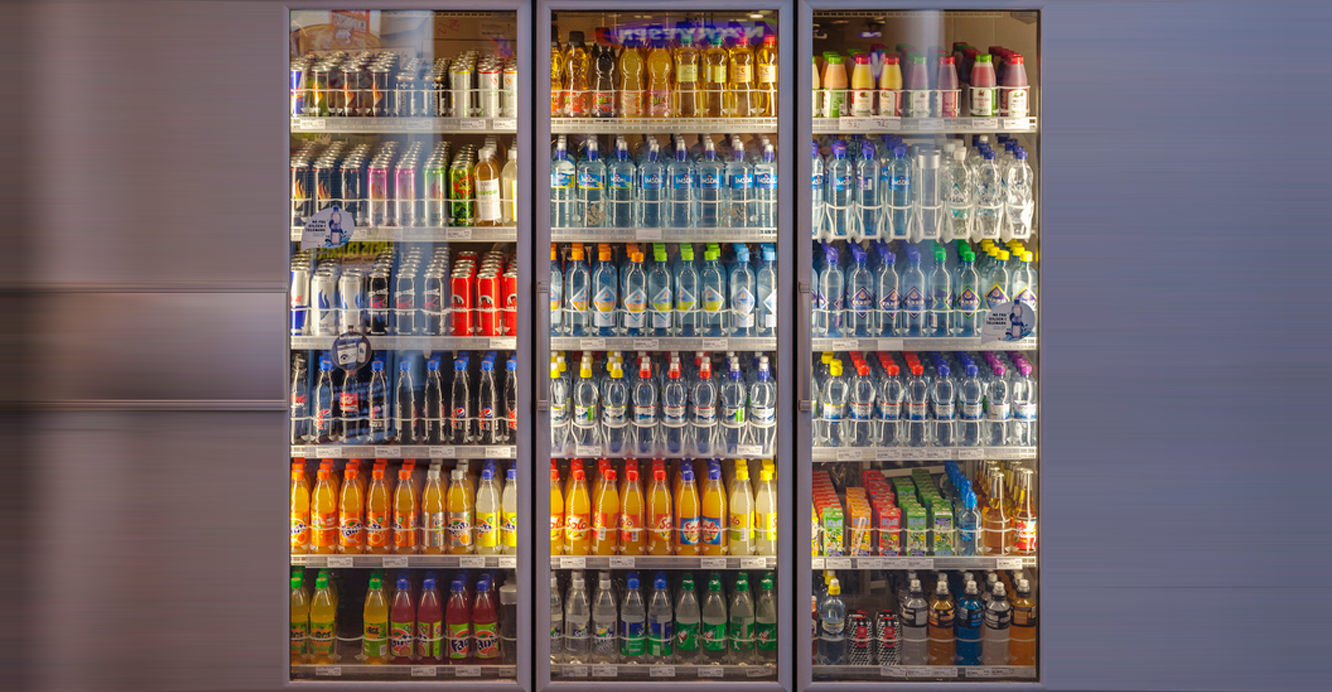
Most convenience store owners can tell you exactly where the real competition in their store lives. It is not at the gas pumps, and it is not even necessarily across the street. It is right there behind the glass doors of the beverage cooler.
The cooler wall has quietly become the most contested real estate in the building. It’s where suppliers fight for space, where customers make some of their fastest purchasing decisions, and where a large share of inside sales begins. Walk into almost any convenience store today, and the cooler tells a story about how quickly the beverage business has evolved. What used to be a relatively simple lineup of soft drinks, bottled water, and maybe a few sports drinks has turned into a crowded and constantly changing marketplace.
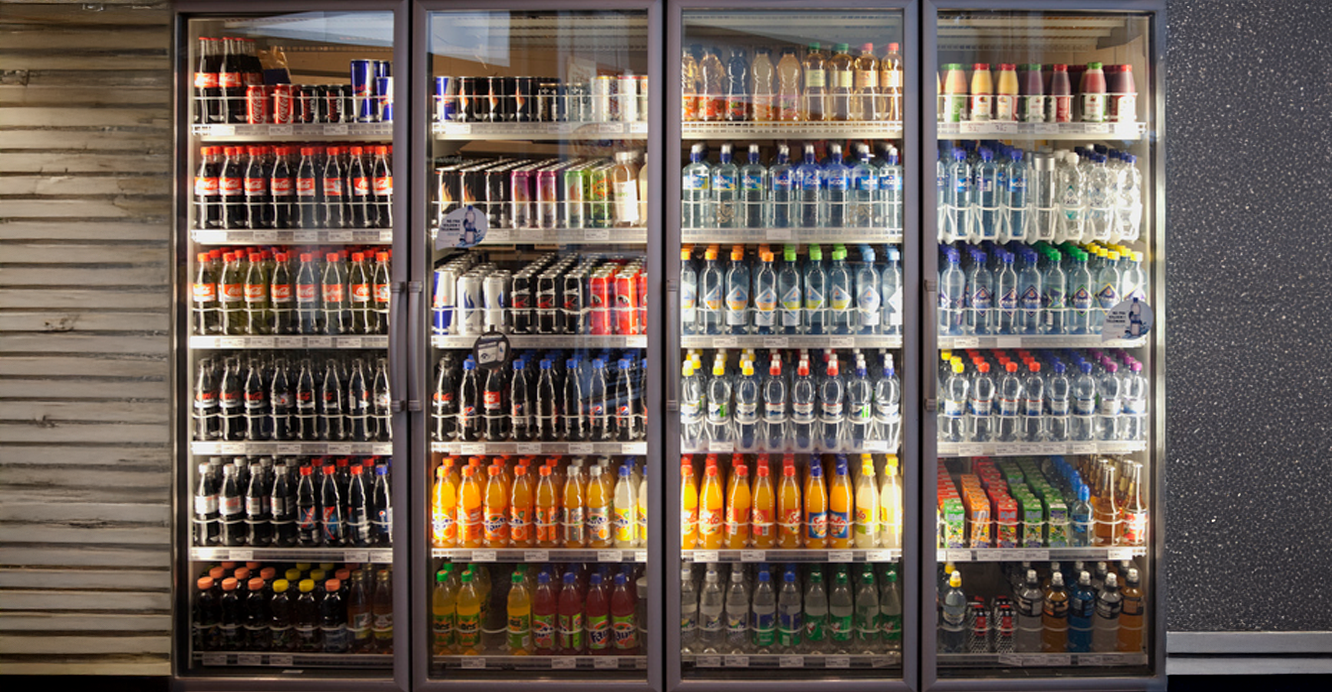
Energy drinks sit next to canned coffees. Flavored waters compete with electrolyte beverages. Teas, sparkling drinks, protein shakes, and hydration formulas all fight for a few inches of shelf space. Every product promises something different. More energy, better focus, healthier ingredients, improved hydration, fewer calories. For customers, the choices have never been more broad. For operators, the challenge has never been greater.
Beverages have always been one of the most reliable drivers of inside sales for convenience stores. Customers may skip snacks or decide against a candy bar, but grabbing something cold to drink remains one of the most predictable purchases in the business. In many stores the drink cooler is the first stop customers make after walking through the door, and often the last place they pause before heading to the register. Because of that simple routine, beverages have become one of the most influential categories in the store.
Over the past decade the category has transformed in ways that few of us could have predicted. The biggest example is the rise of energy drinks. For years the segment was dominated by just a handful of brands. A few familiar cans occupied a predictable section of the cooler, and that part of the business felt relatively stable. Today that section has expanded dramatically. New brands appear regularly, each introducing new flavors, different ingredients, or unique branding aimed at capturing the attention of younger consumers.
Part of the reason for this expansion is the changing audience for energy beverages. These drinks were once marketed heavily toward younger men, particularly those interested in sports, gaming, or high energy lifestyles. Over time, that audience has widened significantly. Office workers now grab energy drinks on the way to work, delivery drivers rely on them during long shifts, students treat them as a substitute for coffee, and even older customers who once avoided the category are now experimenting with lower sugar or smaller portion versions.
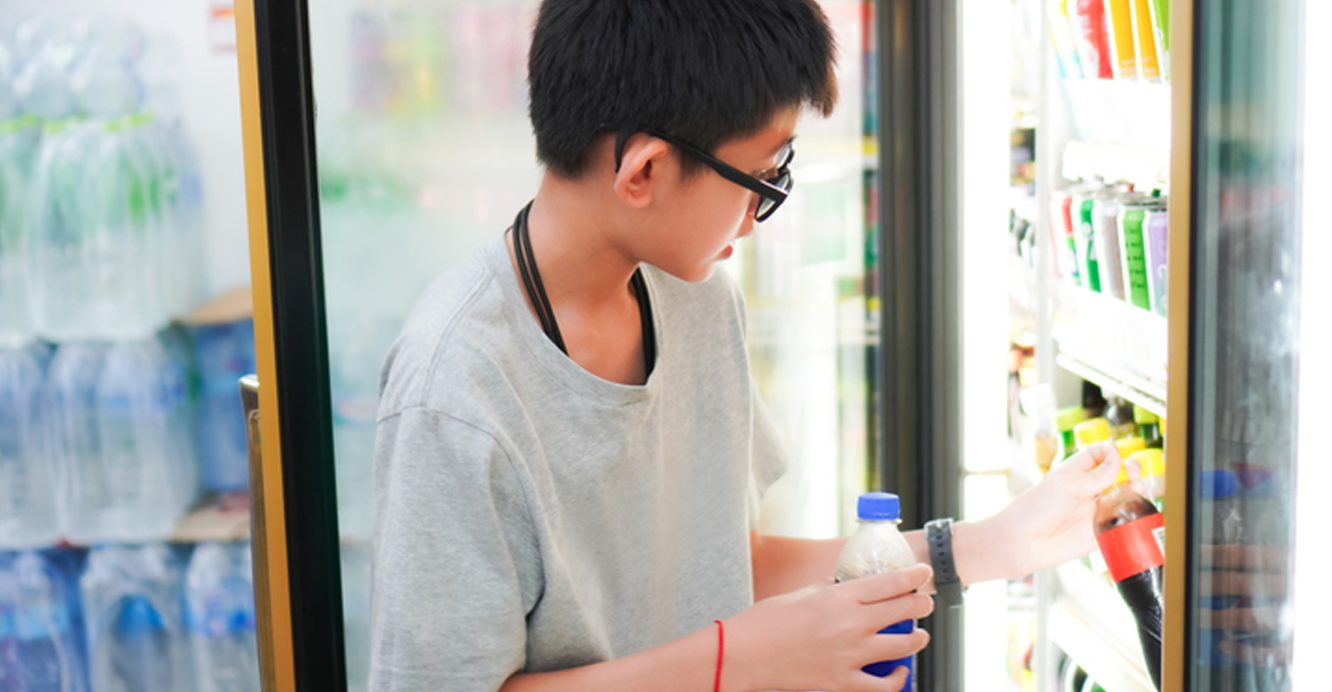
As the customer base has grown, suppliers have responded by flooding the market with new products. Larger cans, sugar-free variations, tropical flavors, performance formulas, and collaborations with popular brands or influencers have become common. For operators, this has created both opportunity and pressure. Energy drinks remain one of the strongest selling beverage segments in convenience stores.
At the same time another category has been quietly growing alongside energy drinks. Many customers today are looking for beverages that promise something more than refreshment or caffeine. Hydration drinks, vitamin-enhanced beverages, and other functional products have moved quickly into the convenience channel. Some focus on electrolyte replacement for athletes and outdoor workers. Others promote ingredients associated with mental clarity, immunity, or overall wellness.
The appeal of these beverages is not necessarily that they replace traditional drinks entirely, but that they expand the range of options available to customers who want something different. Someone who might not be interested in a sugary soda may feel comfortable choosing a hydration drink or flavored water instead. As preferences evolve, the cooler begins to look less like a soda case and more like a collection of specialized beverages reflecting different lifestyles.
Flavored water and sparkling water have also gained significant traction in recent years. For customers trying to reduce sugar consumption or simply looking for variety, these drinks offer a middle ground between soda and plain bottled water. The number of brands entering this segment has increased steadily, and many convenience stores now dedicate entire cooler sections to these products.
Another category that continues to grow is ready-to-drink coffee. For many younger consumers, particularly those accustomed to specialty coffee shops, bottled and canned coffee beverages offer a quick alternative when they do not have time to stop at a café. These drinks combine caffeine, flavor, and portability in a way that fits perfectly with the convenience store environment. In some stores, they have become a reliable companion purchase alongside breakfast sandwiches or pastries.
“All of this growth brings one unavoidable reality with it: cooler space is limited.”
No matter how large the store may be, the beverage cooler can only hold a certain number of products. Every time a new item arrives, something else must move aside. This is where the beverage category begins to feel like a battlefield. Suppliers push aggressively for additional space, often backed by national marketing campaigns and distributor incentives. Every new product claims to represent the next major trend.
Sorting through this pressure can be one of the most difficult merchandising decisions in the store. It’s easy for the cooler to become overcrowded with slow-moving products that looked promising when they first arrived, but never developed consistent sales.
Customers feel the effects of that overcrowding as well. When a cooler becomes too packed with unfamiliar brands and flavors, the shopping experience can become confusing. Instead of exploring the options, many customers simply reach for the one product they already recognize. In that situation, the extra variety does not increase sales, it simply adds clutter.
This is why cooler layout matters just as much as the products themselves. Most convenience store customers approach the cooler with a general idea of what they want. They may not know the exact brand or flavor, but they usually know whether they are looking for a soda, an energy drink, or bottled water. When those categories are clearly organized and easy to navigate, the selection process feels simple and fast.
When the cooler lacks that organization, the experience becomes frustrating. Customers spend more time searching and less time noticing new products. Clear category sections help customers find what they want quickly while still exposing them to additional choices nearby.
“An important consideration is the balance between core products and experimental ones.”
Every store has beverages that sell consistently day after day. Popular sodas, well known energy drinks, familiar bottled water brands, and a few trusted teas often make up the backbone of cooler sales. These items should always be easy to find because customers expect them to be there.
Around those dependable sellers, operators can create smaller sections where new products have the opportunity to prove themselves. If a beverage begins selling steadily, it can earn more permanent space. If it sits untouched week after week, it may be time to replace it with something else.
Paying attention to sales patterns over time can reveal valuable insights about customer preferences. Some products generate excitement when they first appear, but fade quickly after the novelty wears off. Others grow slowly but develop a loyal following among regular customers. Understanding these patterns helps you make smarter decisions about which products truly deserve space in the cooler.
Supplier relationships also play an important role in this process. Distributors often provide useful information about products gaining momentum in other markets, which can help you identify trends worth testing. At the same time, no one understands the local customer base better than the store owner who sees those customers every day.
Not every national trend translates equally across every community. A beverage that sells extremely well in one region may struggle in another. Building a successful cooler assortment often requires blending supplier insights with firsthand observation of what local customers actually buy.
The beverage category will likely continue evolving at a rapid pace. New drink concepts appear every year, and many of them will compete for the same limited space inside convenience store coolers. The goal is not to carry every possible option but to build a lineup that reflects real demand.
“build a lineup that reflects real demand.”
A well organized cooler filled with products customers recognize and trust will always outperform a crowded case packed with items that rarely move. When the assortment feels balanced and easy to navigate, customers spend less time searching and more time choosing.
In a business where purchases are made in a matter of seconds, the difference can have a meaningful impact on the bottom line.
Share:
Newsletter
Stay Informed with
Top Headlines
Category
Insights and trends shaping U.S. convenience retail.
Content is provided for informational purposes only and does not constitute legal, financial, or professional advice.