
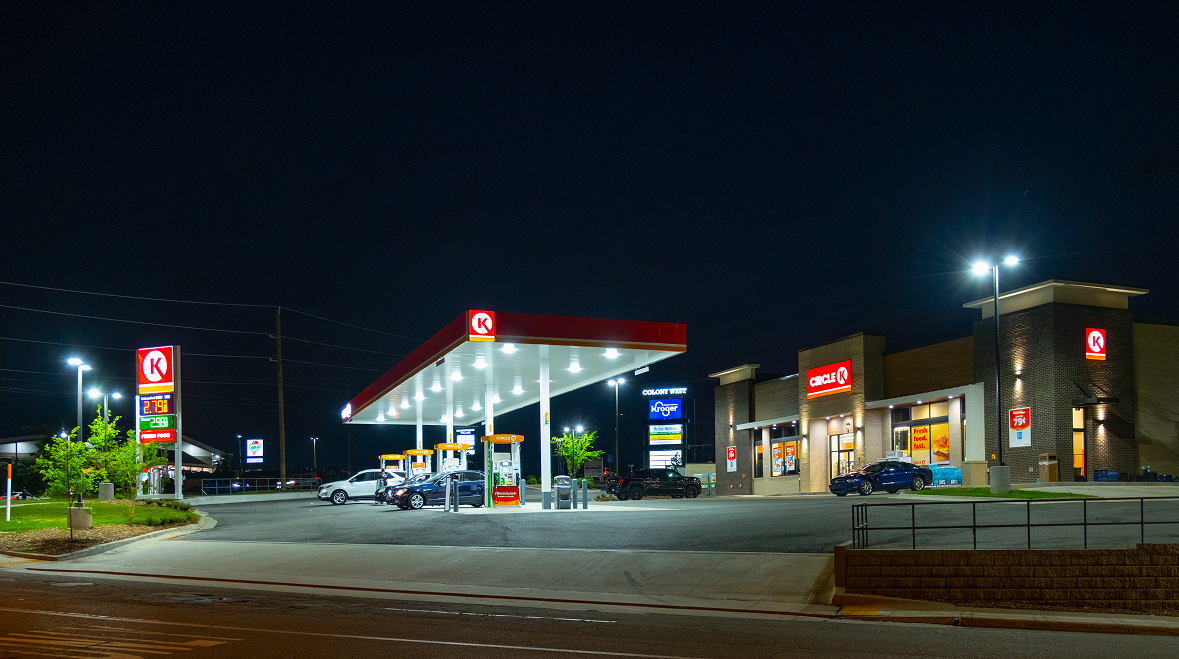
If you step back and look at the convenience store industry from a distance, it still feels familiar. There are stores on busy corners, along rural highways, and scattered through small towns just like there have always been. Fuel pumps out front, a cooler wall inside, regular customers coming and going throughout the day.
But beneath that familiar surface, the industry's structure has been shifting.
“The total number of convenience stores in the United States has not been growing the way it once did.”
In some recent counts, it has actually declined slightly. At the same time, larger operators continue to expand, acquiring existing stores, building new locations, and increasing their share of the market.
It is not a loud change. There is no single moment where everything looks different. Instead, it is happening quietly, one transaction at a time, as independent owners sell stores, regional chains grow larger, and national players extend their reach into new markets.
Day-to-day business still revolves around customers, employees, and keeping the store running, but over time, consolidation begins to influence everything from fuel pricing to supplier relationships to competitive pressure.
Understanding what is driving this trend is the first step in deciding how to respond.

One of the most visible forces behind consolidation is acquisition activity. Larger companies have been actively purchasing existing convenience stores across the country, often focusing on locations that already perform well or sit in strong markets. For these buyers, acquiring a store is often faster and more efficient than building a new one from the ground up.
An existing location already has traffic patterns, an established customer base, and operational history. With the right investment, a new owner can increase performance by upgrading the store, expanding foodservice, or improving merchandising.
From the perspective of the independent owner, the decision to sell is rarely simple. For some, it comes down to retirement. Many convenience stores are family-owned businesses that have been operated for decades. When it’s time to step away, selling to a larger company may be the most practical and easiest option.
In other cases, the decision is driven by operational challenges. Labor has become harder to manage, margins have tightened, and the demands of running a modern convenience store have increased. Foodservice, technology, and regulatory requirements all add layers of complexity that did not exist years ago.
For some owners, selling the business provides an opportunity to step out of those challenges while still capturing the value they have built over time.
Larger chains approach acquisitions with a clear set of criteria. They look at the geographic location first. Traffic counts, visibility, proximity to highways, and surrounding demographics all play a role in determining whether a store fits their strategy.
Inside the store, performance metrics matter just as much. Fuel volume, inside sales, category mix, and overall profitability all influence how attractive a location appears to a potential buyer. Stores with strong foodservice programs or clear opportunities to expand food offerings often receive additional attention.
Buyers also consider how easily a store can be integrated into their existing systems. Supply chain access, branding potential, and the ability to apply standardized operating procedures all factor into the decision.
Once a store is acquired, larger operators often move quickly to make changes. They may remodel the building, upgrade equipment, introduce new product assortments, and implement technology systems that align with their broader network.
These changes are designed to improve efficiency and increase sales by applying processes that have already proven successful in other locations.
One of the biggest advantages large operators bring to the table is scale. When a company operates hundreds or thousands of stores, it gains leverage in areas that are difficult for independent retailers to match.
Fuel purchasing is one example. Larger companies can negotiate more favorable pricing due to the volume they purchase, which can improve margins or allow them to compete more aggressively on retail price.
The same principle applies to merchandise. Chains often have stronger relationships with suppliers and distributors, which can lead to better pricing, promotional support, and access to new products.

Technology is another area where scale matters. Systems for inventory management, data analysis, and customer engagement require investment that can be spread across many locations. Larger companies can justify those investments because the cost is shared across their entire network.
Supply chain efficiency also improves with scale. Distribution systems become more streamlined, delivery schedules become more predictable, and product availability becomes more consistent.
Taken together, these advantages create a competitive environment in which larger operators can operate more efficiently and respond more quickly to market changes.
For independent retailers, this can feel like a difficult position.
“Competing directly on price or scale is rarely achievable, but there are ways to compete.”
In fact, many of the strengths that define independent operators become even more valuable in a consolidated market.
Local knowledge is one of the most important advantages. Independent owners understand their communities in ways that large chains often cannot. They know which products sell, which customers come in at certain times of day, and how local preferences influence buying behavior.
That knowledge allows independent stores to adapt quickly. While larger companies may take months to roll out changes across multiple locations, an independent operator can adjust product mix, pricing, or promotions almost immediately.
Flexibility also plays a role in foodservice. Independent stores can build menus that reflect local tastes rather than following a standardized national program. In some markets, the ability to offer familiar or regionally popular foods becomes a significant draw for customers.
“Independent stores can build menus that reflect local tastes rather than following a standardized national program. ”
Customer relationships are another area where independent operators stand out. Regular customers often know the owner or employees by name. A sense of familiarity creates loyalty that is difficult for larger chains to replicate.
Service is a major differentiator. While chains focus on efficiency and consistency, independent stores have the opportunity to create a more personal experience for customers.
The key for independent operators is not to ignore consolidation but to understand how it changes the competitive landscape. In some markets, the arrival of a large chain may increase competition for fuel pricing or foodservice traffic. In others, it may raise customer expectations for store cleanliness, product selection, or overall experience.

Rather than trying to match every aspect of a larger competitor, successful independent operators focus on the areas where they can perform exceptionally well. A clean, well-organized store, a strong core product mix, and reliable service still matter as much as ever.
At the same time, it is important to evaluate the business's long-term position. For some owners, consolidation may eventually present an opportunity to sell at a favorable valuation. For others, it may reinforce the decision to invest in the store and remain competitive for years to come.
There is no single path that fits every operator. The right decision depends on personal goals, market conditions, and the business's strength.
What is clear is that the convenience store industry is not standing still. The quiet consolidation across the country is reshaping how stores compete, grow, and operate.
For independent retailers, paying attention to that shift is not about reacting to every change. It is about understanding where the industry is heading and making thoughtful decisions about where their own business fits within it.
Share:
Newsletter
Stay Informed with
Top Headlines
Category





Insights and trends shaping U.S. convenience retail.
Content is provided for informational purposes only and does not constitute legal, financial, or professional advice.