

Strategies for C-Store Owners
The convenience store industry is full of opportunities for those willing to take the next step in growth. Maybe you’ve built a strong business in a single location and are wondering if it’s time to expand. Perhaps you’ve seen competitors open multiple stores in your area and want to explore what that could mean for you. Or maybe you’re thinking bigger—franchising your brand, investing in additional properties, or even positioning yourself for an eventual sale at a premium price. No matter where you are in your journey, one thing is certain: growth isn’t just about getting bigger. It’s about getting smarter.
When it comes to expanding your c-store business, there’s no single path that fits everyone. Some owners prefer to build from scratch, finding the perfect location and designing every aspect of a new store to fit their vision. Others see opportunity in acquiring existing stores, taking over an operation with an established customer base, infrastructure, and cash flow. And then there’s franchising—either joining a well-known brand to benefit from its built-in systems or turning your own successful store into a franchise model for others to invest in. Each of these paths has its own challenges, risks, and rewards, and the key to choosing wisely lies in understanding the realities behind each option.
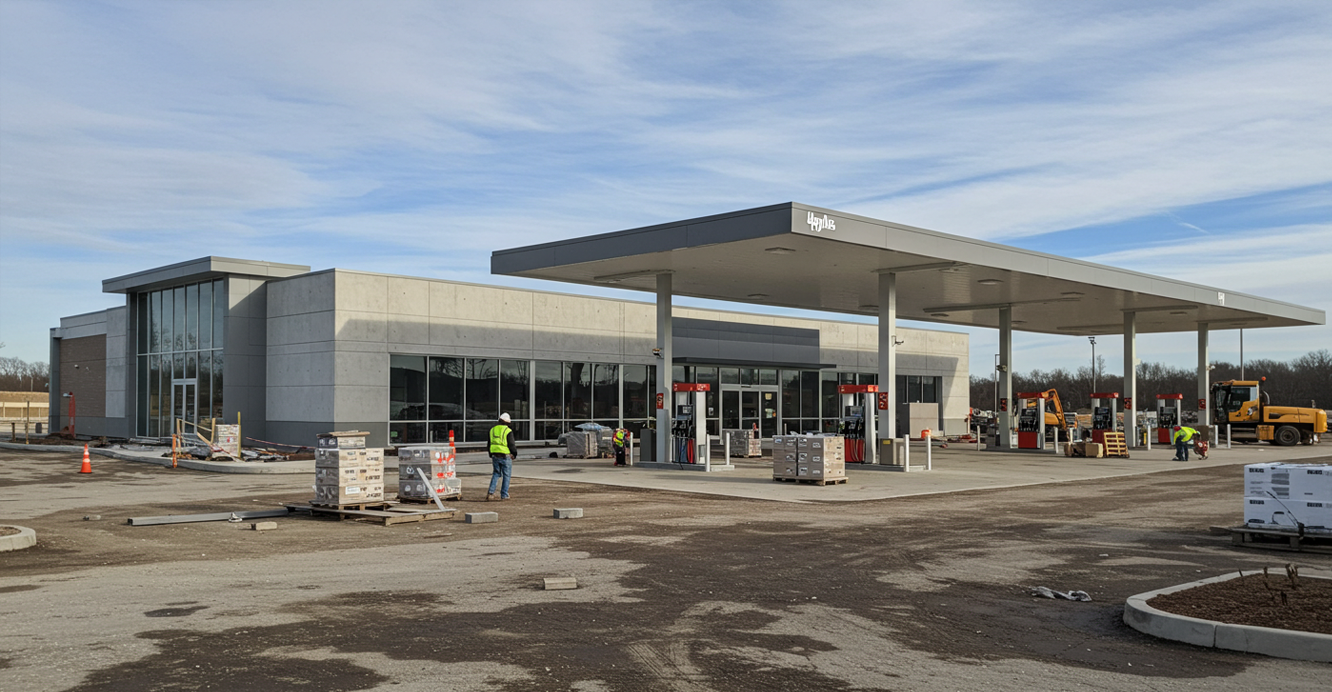
One of the first things to consider is financing. Growth requires capital, and whether you’re looking at building, buying, or franchising, you’ll need to assess your financial position carefully. Loans from the Small Business Administration (SBA) are a common route, offering favorable terms for business owners looking to expand. Private investors can also provide funding, but they often expect a return on their investment that goes beyond simple interest payments. And of course, reinvesting profits from your existing store is another option—one that may allow for growth without taking on additional debt but could require years of careful financial management to accumulate the necessary capital. Once the funding is secured, the next step is deciding how to put it to work. Money alone doesn’t guarantee success; it has to be strategically allocated to site selection, store build-out, technology, staffing, and marketing. Before a dollar is spent, a detailed financial projection should be in place, outlining break-even points and expected return on investment.
Beyond financing, market research plays a critical role in successful expansion. It’s not enough to decide you want to open another location—you need to know whether the demand exists and whether the location will support a profitable operation. This means looking at traffic patterns, local demographics, competitor presence, and even small but important details like nearby construction projects or planned developments. A great store in the wrong place won’t succeed, no matter how well it’s run. That’s why smart c-store owners don’t just chase growth for growth’s sake; they expand strategically, ensuring that each new location has the potential to perform as well—or better—than their first. Once a promising location has been identified, the next move is securing a lease or purchase agreement, followed by obtaining the necessary permits and licensing. These processes can take time, and delays are common, so having a clear timeline in place ensures that setbacks don’t derail momentum.
Then comes the reality of operations. Managing a single convenience store is one thing, but adding another location (or several) changes everything. Suddenly, you’re not just running a store—you’re running a network of businesses that need to operate with consistency and efficiency. This is where many owners struggle. They open a second or third store, only to realize that keeping up with staffing, inventory, and quality control across multiple locations is far more challenging than they anticipated. Successful multi-store operators rely on strong systems—streamlined inventory tracking, automated point-of-sale solutions, and well-trained managers who can oversee daily operations without constant supervision. Once those systems are in place, the next focus is training and delegation. It’s one thing to have the right tools, but if employees and managers aren’t empowered to use them effectively, the benefits will be lost. A well-trained team makes scaling manageable, and the best time to start preparing them is before expansion happens, not after.
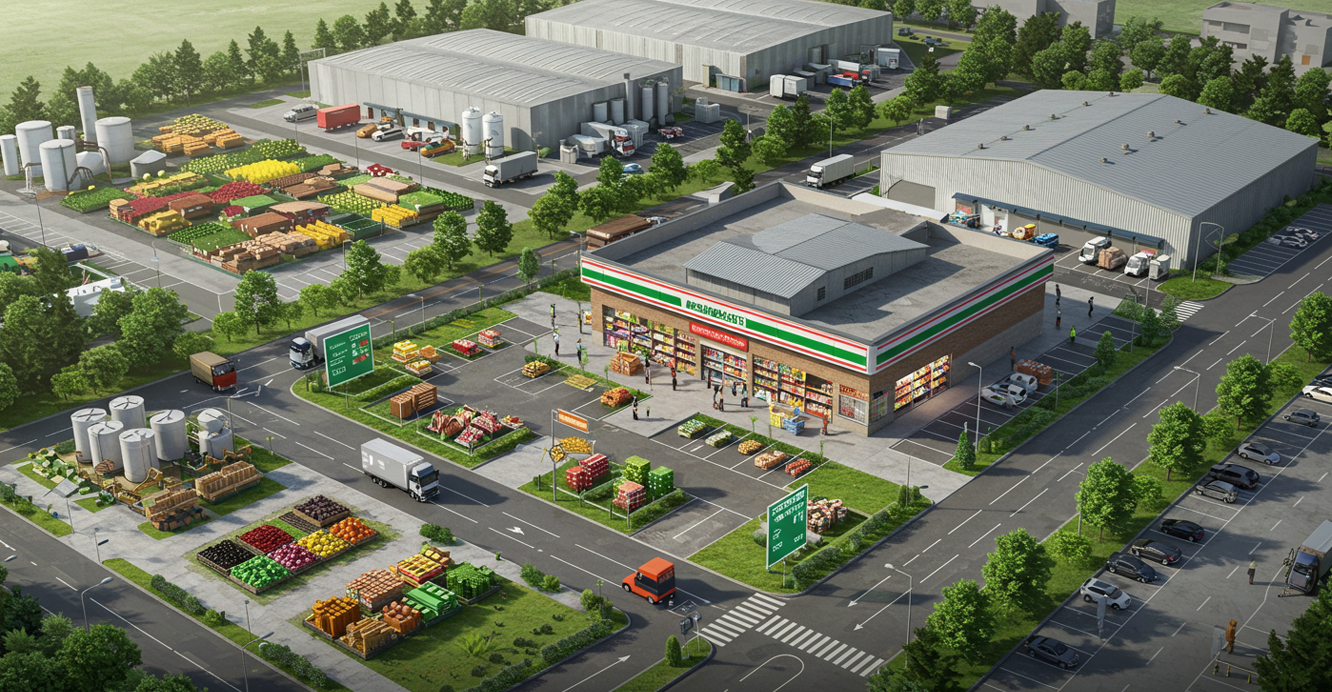
Another avenue for growth that’s gaining traction is franchising. Some store owners choose to join an established franchise, taking advantage of a well-known name, proven business model, and built-in support network. While this comes with franchise fees and contractual obligations, it also provides a level of security that independent expansion doesn’t always offer. On the flip side, some successful convenience store owners decide to become the franchise, turning their business model into something others can buy into. This is an entirely different type of expansion—one that requires a deep understanding of branding, training, and ongoing support for franchisees. It’s not for everyone, but for those with a highly successful store model and a clear strategy, franchising can be a way to grow far beyond what would be possible with company-owned stores alone. The next logical move for an owner considering franchising is conducting a feasibility study. Not every successful business translates into a franchise, so hiring a consultant or legal expert to evaluate the business model and scalability is an essential first step. From there, legal documentation, branding guides, and training manuals must be developed to create a seamless experience for future franchisees.
Regardless of the path taken, expansion comes with challenges. Hiring and retaining good employees across multiple locations can be difficult, especially in an industry known for high turnover. Managing supply chains becomes more complex, as multiple stores mean larger orders, coordinated deliveries, and potential shortages. And then there’s the question of consistency—how do you ensure that a customer who walks into one of your stores has the same great experience at another? The answer lies in a combination of training, leadership, and the right technology to support seamless operations. The next step here is conducting test runs before full expansion. Many owners create trial locations or introduce management shadowing programs to ensure their systems are scalable before adding another store to the mix. This approach helps identify weak points before they become costly problems.
There’s also the issue of timing. Just because growth is possible doesn’t mean it’s right at a given moment. Expanding too quickly can put strain on finances, stretch management too thin, and lead to a decline in the quality that made your first store successful in the first place. Smart growth means knowing when to say “not yet” just as much as knowing when to take the leap. Some owners expand aggressively, opening new locations in rapid succession. Others take a more measured approach, ensuring that each new store is running smoothly before considering another. There’s no universal right answer—it depends on the owner’s risk tolerance, financial situation, and business model. The most practical next step for any owner questioning the timing of expansion is to run a stress test on current operations. If the existing store is running at peak efficiency, profits are strong, and there is demand for more, then it might be time to move forward. If not, tightening up the foundation before expanding will prevent future headaches.
Perhaps the most important thing to remember about growth is that it’s a process. It doesn’t happen overnight, and it requires careful planning at every stage. The most successful c-store operators aren’t the ones who expand the fastest, but the ones who expand the smartest. They know their numbers inside and out, they build strong teams, and they never lose sight of what made their first store a success. Whether you’re acquiring, building, franchising, or even considering selling, every move should be made with a clear strategy and a long-term vision in mind.
For c-store owners looking to grow, the opportunity is there. The industry continues to evolve, with shifting consumer trends, new technology, and emerging markets creating openings for those willing to adapt. But the key isn’t just to grow—it’s to grow wisely. Expansion, when done right, isn’t just about adding more stores. It’s about creating a sustainable, profitable business that thrives over the long term. And for those who take the time to do it right, the rewards can be tremendous.
Share:
Newsletter
Stay Informed with
Top Headlines
Category








Insights and trends shaping U.S. convenience retail.
Content is provided for informational purposes only and does not constitute legal, financial, or professional advice.