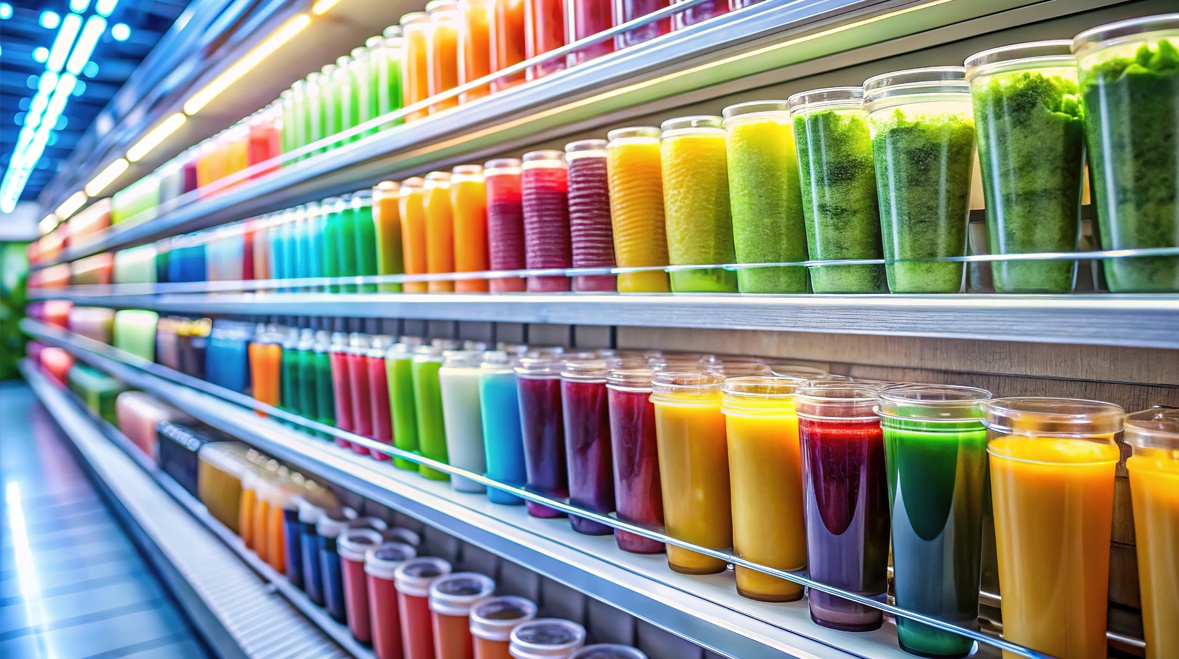
Convenience stores have long thrived on quick energy. For decades, that meant carbonated sodas, then Convenience stores have always been about speed. For decades, the cold vault was defined by what could give customers an instant jolt: sodas in the 1980s, energy drinks in the 2000s, and a rainbow of functional beverages in the 2010s promising everything from sharper focus to calmer moods. But something quieter, steadier, and far more habit-forming is happening now. Protein drinks and meal-replacement beverages are no longer niche products for athletes or dieters. They are mainstream solutions for millions of Americans who want quick, portable, and nutritious fuel — and they are becoming one of the most important beverage shifts convenience retail has seen in years.
Spend just one morning watching your customers and you’ll see it. The commuter who skips breakfast but doesn’t want to face a long day on coffee alone. The parent juggling a school drop-off, grabbing something to tide them over until lunch. The college student who needs protein after a workout but doesn’t have time to sit down at a café. The truck driver fueling up before a long stretch of highway. They’re all turning to protein drinks. What was once a specialty category is now a universal one.
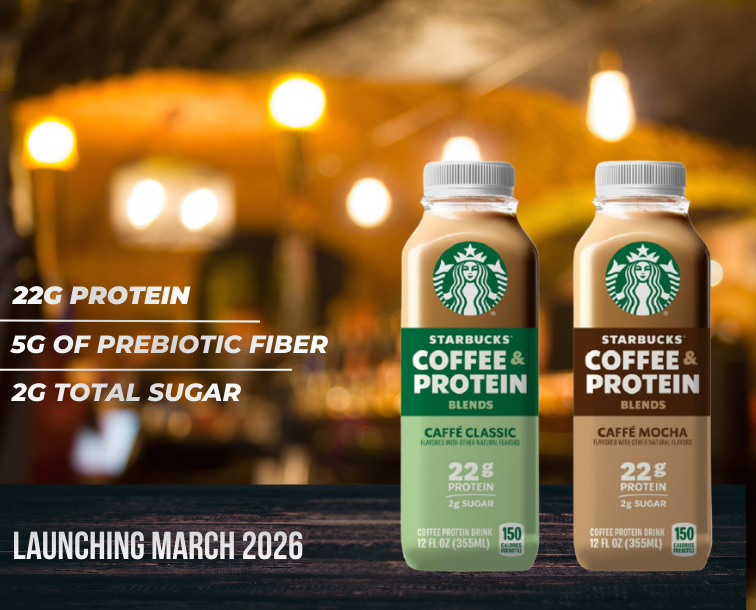
The numbers back this up. Ready-to-drink protein shakes have been posting double-digit growth in the convenience channel even as traditional soda sales flatten. NielsenIQ reports show protein beverages are consistently among the top growth categories inside c-stores. Customers are gravitating toward brands that emphasize low sugar, clean ingredients, and high protein content, and they are willing to pay more per bottle because they see it as a meal, not just a drink. When viewed against the cost of fast food or even grocery-prepared meals, a $4.99 protein shake feels like value.
Part of the surge is being fueled by an unexpected cultural shift: the widespread adoption of GLP-1 medications like Ozempic and Wegovy. These drugs suppress appetite, and millions of Americans are taking them. But while people on GLP-1s may skip meals, they still need protein to maintain muscle mass and energy levels. Nutritionists are encouraging smaller, protein-rich snacks and beverages. That has created a new wave of customers who look at protein shakes not as a supplement but as a necessity. Convenience stores, open early and late and positioned directly along commute routes, are in the perfect place to capture that spend.
What makes protein drinks so valuable for operators is their consistency. Unlike faddish beverages that spike and fade, protein shakes become part of a daily or weekly habit. A commuter who discovers a shake that works for them is back five mornings a week. A gym-goer grabs one after every workout. A truck driver builds it into their routine. That kind of repeat purchase builds a loyal customer base that is less price-sensitive and more reliable than many other beverage shoppers.
It also changes how the store is perceived. A c-store with a cooler stocked full of protein drinks and meal replacements signals something to every shopper who walks in: this is not just a place for sugar and caffeine. This is a store that understands modern needs and caters to healthier routines. Even customers who never buy a protein drink notice. The halo effect improves the overall image of the store as clean, current, and customer-focused. In competitive markets, perception can make all the difference.
Meal-replacement drinks add another layer. Once relegated to diet aisles and specialty retailers, they are now being embraced by a much wider audience. Office workers use them as lunch between meetings. Students drink them on the go. Families buy them to cover chaotic evenings when cooking is impossible. For c-stores, these products align with the very definition of convenience: providing a solution when time is scarce. And because meal replacements often command higher price points, they deliver stronger margins per unit than many traditional beverages.
Operators who invest in this category often find it lifts other sales too. Customers who buy a protein shake are more likely to pick up a protein bar, trail mix, or fresh fruit. Bundling opportunities are strong: a store might promote a “protein pack” that pairs a shake with a bar and a piece of fruit. These cross-sales not only lift basket size but also help reposition the store as a destination for complete solutions, not just individual items.
The challenge is execution. Too many SKUs can confuse customers and tie up working capital. The key is balance: anchor the set with proven national brands that customers expect, then add one or two rotation slots for innovation. That way, you capture buzz around new launches without overwhelming your cooler. Placement matters too. Protein drinks shoved to the bottom shelf won’t move. Eye-level positioning near energy drinks or bottled water gives them visibility and frames them as part of the mainstream beverage mix. Signage with simple messages — “Power Your Morning” or “Protein for the Road” — helps reframe the price point and build trial
Speaking of price, that’s often the sticking point. A $5 protein shake seems expensive next to a $2 soda. But when framed as a meal replacement, the math changes. Compared to a $10 fast food combo, the shake is cheap. Staff can reinforce this by suggesting protein shakes as part of meal bundles. Over time, once customers integrate protein into their routine, price resistance fades. They’re not buying a drink. They’re buying a solution.
Vendor partnerships can make a huge difference here. Beverage manufacturers are eager to grow this category and often provide sampling programs, promotional pricing, and marketing support. Some offer branded coolers or POS materials that help elevate the display. Operators who work closely with vendors to stage sampling events or loyalty promotions often see faster adoption. A free trial tied to a loyalty program can convert a one-time buyer into a repeat customer who returns multiple times a week.
Looking at the bigger picture, the competition for this category is coming from multiple directions. Grocery stores stock protein drinks, but they don’t always have the convenience of single-serve grab-and-go placement. Gyms sell shakes, but their selection is limited, and their hours are restrictive. Quick-service restaurants dabble in protein-focused smoothies, but they require longer waits. That leaves c-stores in the sweet spot: broad assortment, easy access, fast transactions, and the ability to meet the customer exactly when and where they need it.
The innovation pipeline shows the category will only expand. Beyond whey, plant-based proteins are gaining ground, appealing to vegans and flexitarians. Collagen-enhanced drinks are targeting joint and skin health. Some new launches combine probiotics, electrolytes, or adaptogens with protein, creating hybrid beverages that cross functional lines. These “stacked” drinks blur the boundary between hydration, nutrition, and supplementation. For operators, the lesson is to keep assortments dynamic. Customers are curious, but they still rely on staples. The winning formula is a steady base plus space for experimentation.
October is a strategic season to emphasize these products. Routines are firmly set after summer, mornings are cooler and busier, and the holiday stretch is approaching. Marketing protein drinks as “breakfast made easy” or “nutrition for the road” ties directly into customer needs. By November, holiday travel and stress create another window. Travelers want something filling but not heavy, and shoppers juggling events and errands appreciate quick, nutritious options. With the right promotion, protein drinks can become part of those seasonal solutions.
Looking to the future, personalization may be the next wave. With loyalty programs and AI-powered recommendations, c-stores could eventually suggest specific protein products based on past purchases, health preferences, or time of day. Imagine a loyalty app that pings a customer at 7:30 a.m. with a coupon for their preferred protein shake, ready at the store they usually visit. Or a pump-side offer that reminds a gym-goer to add protein after their Tuesday workout. These tools are not far off, and they will make the category even more powerful.
The quiet shift toward protein and meal-replacement drinks is about more than just adding SKUs. It’s about positioning the store for where consumer habits are headed. Convenience today is defined not just by speed, but by function. Customers want food and drink that fit their lifestyles, fuel their bodies, and make their lives easier. Stores that curate assortments thoughtfully, promote with intention, and partner with vendors to drive adoption will capture not just sales, but loyalty and reputation.
For c-store owners looking for the next dependable growth driver, this may be it. The cooler has always been a battleground, but now it’s becoming a platform for solutions, not just refreshment. Protein and meal-replacement beverages may not shout the loudest, but they are building the kind of steady, repeat business that every operator craves. Ignore the shift, and you risk being left behind. Embrace it, and you position your store not only as a stop for today’s customer but as a partner in their routines for years to come.
Share:
Newsletter
Stay Informed with
Top Headlines
Category

Insights and trends shaping U.S. convenience retail.
Content is provided for informational purposes only and does not constitute legal, financial, or professional advice.