
AI and Planogram Optimization
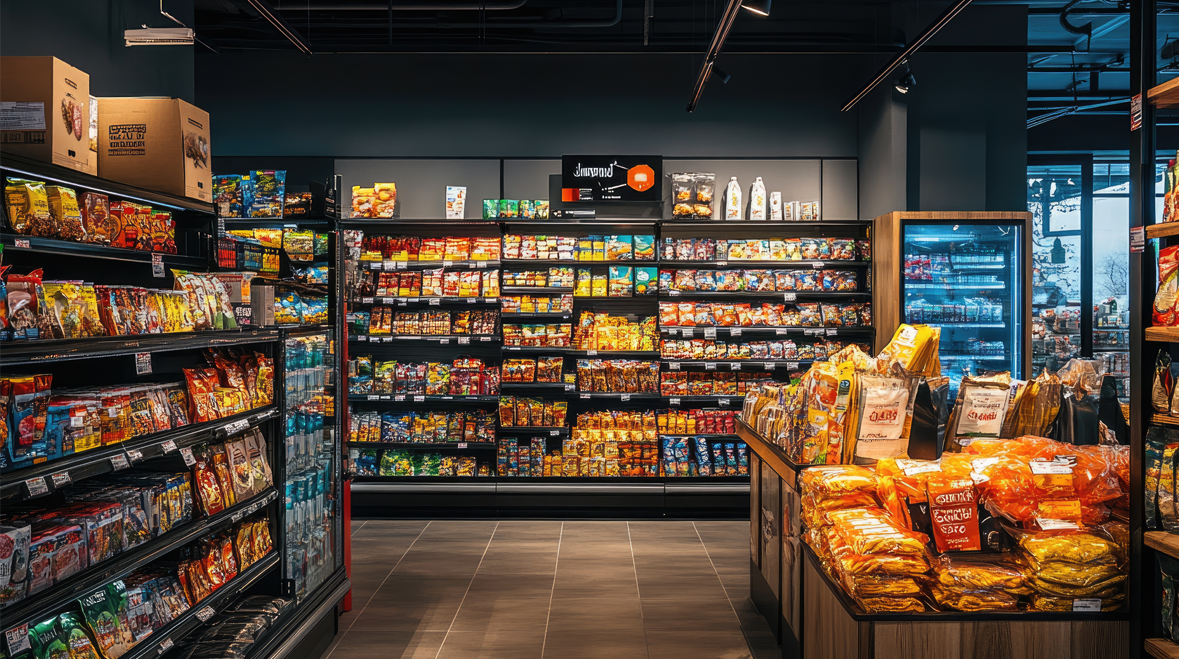
Walk into almost any convenience store and you’ll find yourself in front of shelves and cooler doors that look deceptively simple: rows of chips, stacks of candy, neatly lined bottles of soda, water, and energy drinks. But behind those rows is a quiet tug-of-war. Every inch of shelf space represents a battle between dozens of brands, categories, and customer habits. Move a top seller one row higher, and sales might climb. Swap out a slow mover for something new, and you might unlock a category trend before the competitor across town does. Planograms — the layouts that determine where everything goes — are the unsung backbone of retail strategy.
For years, they’ve been built on a combination of vendor influence, historical sales data, and the gut instincts of experienced operators. It worked, but it wasn’t perfect. Too often, shelves favored whoever shouted loudest, whether or not that actually reflected what customers wanted. Smaller brands sometimes got lost in the shuffle. Seasonal items might overstay their welcome. And in independents especially, planograms often came down to guesswork. But now, something new is entering the mix: artificial intelligence.
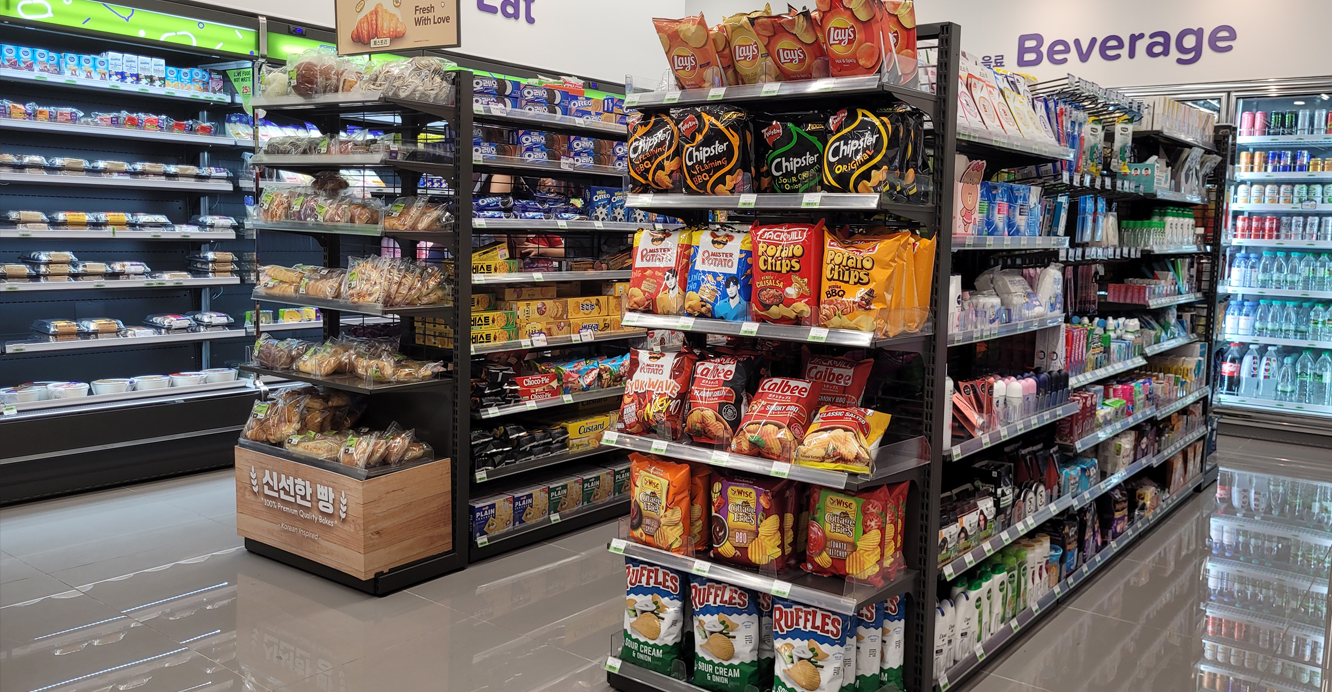
AI isn’t just creeping into the back office for inventory management or loss prevention anymore. It’s making its way into the shelf itself, offering data-driven insights on exactly what should be placed where, and in what quantities. The promise is powerful: higher sales, lower waste, bigger baskets, and a smoother experience for customers who feel like the store just “gets them.” For convenience stores competing on razor-thin margins, that kind of edge can matter as much as any new product launch.
The timing makes sense. The industry is under pressure. Inside sales growth has slowed from pandemic highs, inflation is reshaping how people spend, and competition from grocery pickup and QSR apps is pulling traffic. At the same time, customer expectations are rising. They don’t just want options — they want the right options, in the right place, right when they walk in. AI is being positioned as the tool that can make all of that happen. And the truth is, it’s not a tool for the future anymore. It’s here, and operators both large and small are beginning to experiment with it.
The basic idea is simple enough: AI tools crunch vast amounts of data — sales velocity, daypart demand, weather patterns, even loyalty behavior — to suggest how shelves should be set. Instead of a static planogram that changes once a year, AI-driven layouts can evolve dynamically. If energy drink sales spike every Friday afternoon, the AI can tell you to expand facings right before the rush. If flavored water moves in July but dies in November, the AI will recommend scaling back. If customers in one neighborhood are trending toward plant-based snacks, the AI will flag that before it becomes obvious. The shelf stops being reactive and starts being predictive.
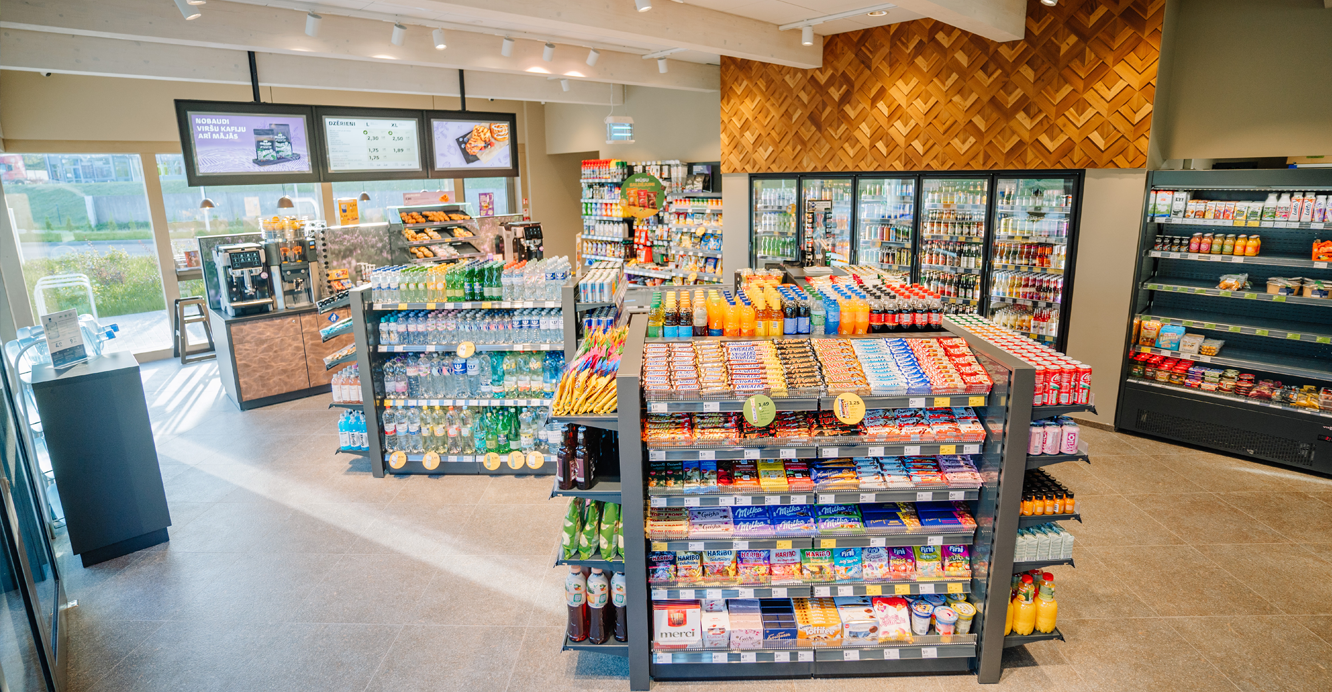
But here’s the real-world tension: most independents don’t have teams of analysts or IT budgets that rival national chains. They’re running lean. They’re already stretched on labor, on time, and on money. So the question isn’t whether AI can optimize shelves — it’s whether it can be applied in a way that feels manageable, affordable, and practical. That’s where the conversation is headed now, and why the story of AI in planogram optimization is less about technology and more about accessibility.
For the big players, the shift is already well underway. Chains like 7-Eleven and Casey’s have invested in sophisticated merchandising systems that lean on AI to test layouts and predict sales lift. They have entire departments devoted to tweaking facings and rolling out updates across hundreds or thousands of stores. For independents, that can feel intimidating, almost like AI is out of reach. But in practice, the gap is narrowing. Tech vendors are beginning to offer scaled-down versions of their tools, often bundled with loyalty programs or POS systems. Instead of needing a six-figure software investment, an operator might be able to access AI-driven shelf recommendations for a monthly fee, baked into platforms they’re already using.
That opens the door for experimentation. Take the case of a three-store operator in Kentucky who started using an AI-powered merchandising tool last year. He didn’t overhaul every shelf at once. Instead, he focused on his beverage cooler, where he knew margins were strong and competition was fiercest. The AI recommended rebalancing facings — fewer slow-moving flavored waters, more of a trending energy drink, and a repositioning of single-serve milks closer to protein shakes. The results weren’t explosive, but they were steady: a 7 percent sales lift in that cooler over three months, paired with a noticeable reduction in expired product. For him, that was proof enough. Now he’s expanding the experiment to snacks.
The lesson from stories like his is that AI doesn’t need to be an all-or-nothing play. It can start small, in one category or one store, and build from there. Even modest changes, when multiplied across hundreds of transactions a week, add up. And in an industry where every dollar of margin counts, a few percentage points of lift can be the difference between a good quarter and a flat one.
Beyond the numbers, there’s a customer experience story here. Shoppers rarely articulate why one store feels easier to shop than another, but often it comes down to layout. When bestsellers are in obvious spots, when trending items are given visibility, when shelves look full and intentional, customers move faster and buy more. AI helps create that seamless experience. It can spot that your younger demographic is buying plant-based jerky and suggest giving it prime placement. It can detect that customers in your area buy more sports drinks in the afternoon than in the morning, and push those bottles forward in time for the rush. When a store feels like it’s anticipating customer needs, customers notice — even if they can’t explain why.
There’s also a community angle worth considering. Independents often pride themselves on knowing their local market better than anyone else. AI doesn’t replace that. It enhances it. A store in a rural town might know that Friday nights are football nights, and snacks will fly off the shelves before kickoff. AI can confirm that pattern, show exactly which SKUs are moving fastest, and suggest how much to stock. It’s not about replacing the gut instincts of seasoned operators — it’s about giving them sharper tools to act on what they already know.
Critics will point out that AI-driven merchandising can risk homogenization, where every store ends up looking the same. That’s a fair concern. But in practice, the best systems are local by design. They pull data from individual stores, not just chains, and adjust recommendations accordingly. The trick for operators is to use AI as a guide, not a dictator. The goal is to balance data-driven insight with local personality. The store should still feel like your store, not just an algorithm’s output.
Looking forward, the possibilities are even bigger. As loyalty programs grow, AI will be able to personalize not just shelves but entire customer experiences. Imagine walking into a store where the cooler layout has been optimized around the buying habits of people like you, in your zip code, at this exact time of year. Or think about AI predicting seasonal surges before they happen — suggesting extra hot chocolate facings in September because it knows colder-than-average weather is coming. These aren’t far-off science fiction scenarios. They’re already being piloted in other parts of retail, and they will inevitably trickle down to convenience.
The economics are compelling, too. Waste reduction alone makes AI attractive. Spoilage on slow-moving items is a hidden drain on profits, especially in categories like dairy, sandwiches, and fresh beverages. AI can flag underperformers early and suggest swaps before losses pile up. On the flip side, stockouts hurt just as badly. Nothing frustrates a customer more than walking in for their favorite drink and finding it gone. AI minimizes that by tracking demand patterns more closely than humans can. Less waste, fewer stockouts, bigger baskets — that’s the trifecta operators are chasing.
The challenge is education. Many operators still think of AI as a buzzword, something better suited to Silicon Valley than a corner store. But the reality is that AI is simply a tool — one that’s becoming more accessible every month. Vendors and distributors have a role to play in demystifying it, showing operators how to start small, measure results, and grow from there. Industry associations can help too, offering training, case studies, and peer networks that make the leap less daunting. The sooner operators see AI not as a futuristic add-on but as a practical tool, the faster adoption will spread.
There’s also a human story to this. Staff who once spent hours setting shelves based on vendor diagrams can now focus on service, food prep, or cleanliness. Managers who once agonized over which SKUs to cut can make those decisions with confidence. Even customers benefit on a personal level, because stores feel easier to navigate, more relevant, and better stocked. AI doesn’t replace people — it empowers them. And in an industry that often struggles with staffing, that empowerment matters.
What excites many in the industry is how AI in shelving ties into the bigger trend of “invisible convenience.” Customers don’t see the algorithm behind the layout. They just see that their store feels better stocked, easier to shop, and more in tune with their needs. That’s what keeps them coming back. In a world where loyalty is hard to earn and easy to lose, that invisible layer of intelligence becomes a competitive weapon.
As we close in on the end of 2025, one thing is clear: smarter shelves are no longer optional. Customers expect stores to feel intuitive. Operators need every edge to drive baskets higher. And the tools to make that happen are more available than ever. Whether it’s a chain with hundreds of sites or an independent with one, the opportunity is the same: use data to anticipate, to optimize, and to win.
AI will not replace the instincts of a seasoned operator. It will not replace the relationships that independents build in their communities. But it will amplify them. It will help operators put their best sellers front and center, reduce the pain of waste, and create experiences that feel effortless for customers. In the end, that’s what convenience has always been about — making life easier, faster, and better stocked. AI just gives us a sharper way to do it.
So the next time you walk down your own aisles or glance into your cooler doors, ask yourself: are these shelves as smart as they could be? Because in a world where every inch matters, the difference between guessing and knowing could be the difference between a flat year and a record-breaking one. And with AI now within reach, “knowing” isn’t just for the big players anymore. It’s for everyone willing to let the shelf itself get smarter — and the baskets, inevitably, get bigger.
Newsletter
Stay Informed with
Top Headlines
Category


Insights and trends shaping U.S. convenience retail.
Content is provided for informational purposes only and does not constitute legal, financial, or professional advice.