
Turning Impulse Into Income
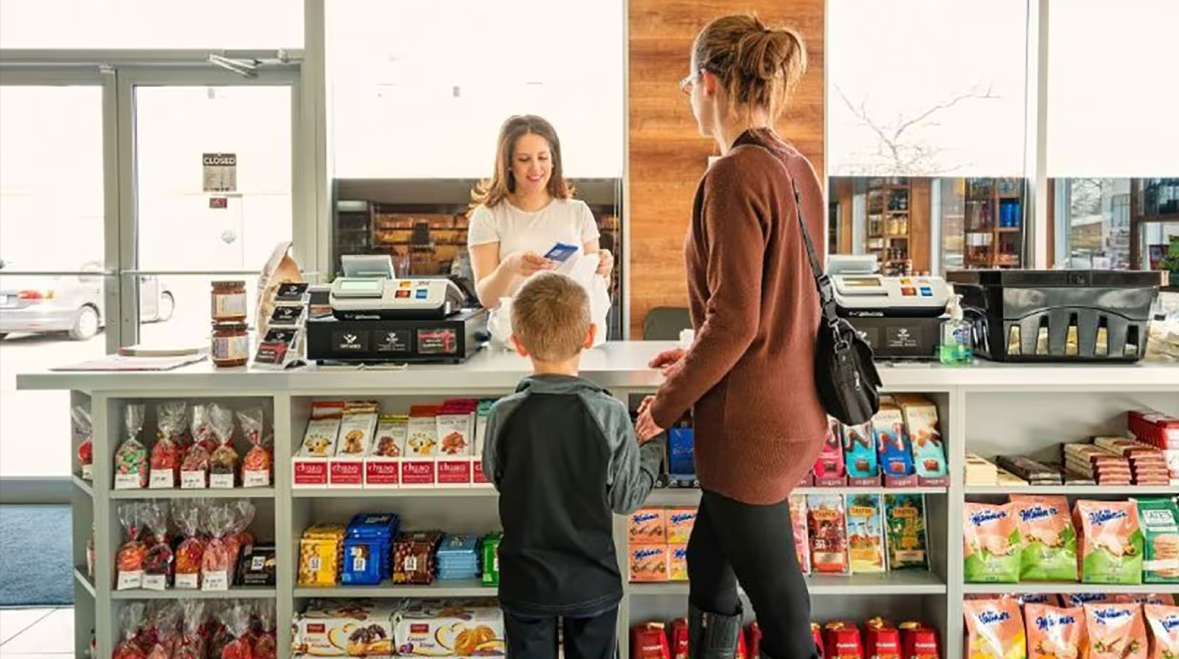
October has a way of sneaking up on store owners. The summer rush is over, the weather cools, and for a moment it feels like business might settle into a predictable rhythm. But just as quickly, the calendar shifts. Football, fall festivals, and Halloween pass in a blink, and suddenly the holidays are bearing down. For convenience stores, this isn’t just another season. It’s the quarter that often determines whether the year closes strong or with a sigh. While coolers and kitchens still carry the load, there is another category that can deliver outsized results in Q4 if treated with purpose: gift cards.
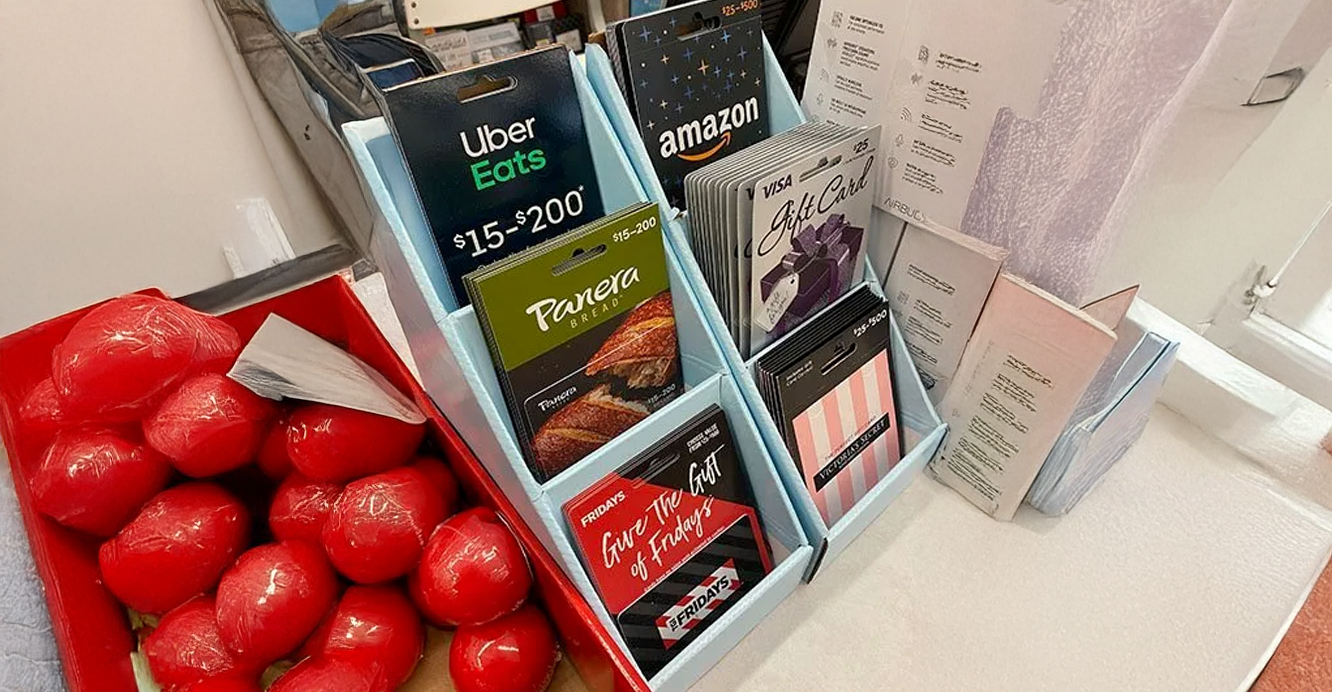
For many independents, gift cards sit on a rack by the counter, quietly selling themselves. Customers grab one here and there, usually when they’re already on the way to a party or need a last-minute stocking stuffer. That alone is worth having them. But the real opportunity comes when stores stop treating gift cards as passive items and start seeing them as strategic tools. Because when leveraged correctly, they don’t just drive direct sales. They trigger impulse purchases, increase basket size, attract new customers, and build brand recognition long after the holidays are over.
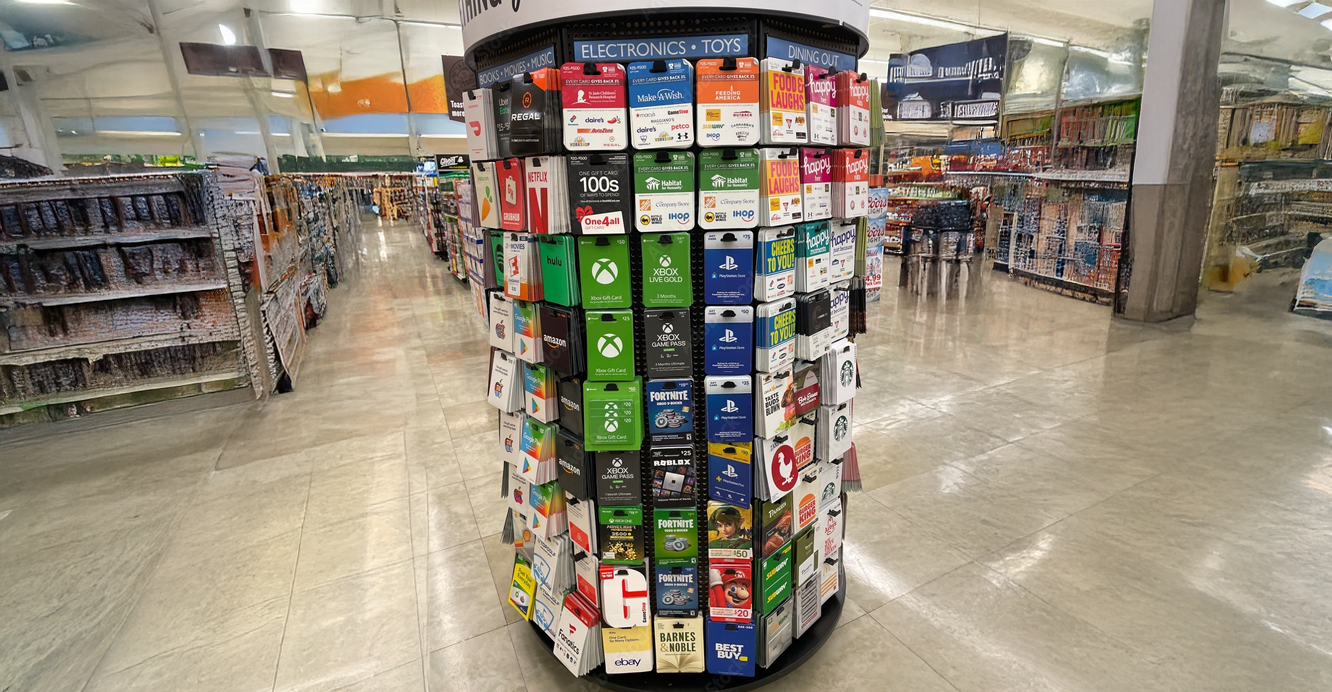
The sheer scale of the gift card market is reason enough to pay attention. In 2025, U.S. consumers are projected to spend over $200 billion on gift cards. That number has doubled in less than a decade, fueled by the convenience of digital delivery and the appeal of “choice as a gift.” And while supermarkets, mass merchandisers, and digital platforms capture the lion’s share, convenience stores hold a unique position. They are open when other retailers are not. They are located in every town and on every corner. And they are already the destination for forgotten items, last-minute errands, and quick fixes. A well-placed gift card display taps into that exact behavior.
To maximize the return, placement and promotion matter. A dusty rack hidden by the lottery terminal won’t capture anyone’s attention. Successful operators are building seasonal stories around gift cards. A store in Alabama built a “holiday helper” display that paired candy canes, hot cocoa packets, and small gift bags with racks of cards. The result was not just higher card sales, but a lift in the associated items around them. Shoppers weren’t just buying a $25 card to Apple or Amazon — they were picking up the makings of a gift bag to go with it. Another operator in North Carolina stationed a gift card rack near the beer cave with signage that read, “Don’t show up empty-handed.” It turned beer runs into gift runs during December gatherings.
Staff engagement is another underrated lever. A friendly reminder at checkout can plant the idea that turns into a sale. It doesn’t need to be pushy. A simple, “Do you need any gift cards today?” often jogs a memory. Someone who forgot a nephew’s birthday or tomorrow’s office exchange might decide right then. Owners who train cashiers to treat cards as part of customer service, not a scripted upsell, report stronger sales across the board.
The digital frontier opens even more doors. Increasingly, consumers expect to be able to send a gift instantly. That’s why more c-stores are partnering with providers that enable digital code sales at the register. A customer can walk in, buy a digital gift, and send it via text or email within minutes. For younger shoppers, this is often the preferred option, and for independents, it means no rack space, no theft concerns, and often better margins. Some stores report digital card sales climbing fastest in the final 48 hours before Christmas, when panic sets in and physical options feel too slow. Being able to serve that demand cements the c-store as a problem solver.
The side benefit of card sales is the way they increase other spending. Research shows that nearly two-thirds of c-store gift card transactions include an additional item. Think of the shopper who comes in for a card, then grabs a soda for the ride or a bag of chips to tide them over. In some cases, the add-on purchase is larger than the card margin itself. That’s the hidden multiplier effect. Even more importantly, when recipients come in to redeem, they become new customers. Every $25 redemption is an audition. If the store is clean, the service sharp, and the shelves stocked with appealing options, odds are good that person returns. That’s customer acquisition at essentially no marketing cost.
Independent branding takes this further. More c-stores are issuing their own branded cards, not just reselling national brands. For chains, this is already common practice, but even a single-site operator can work with providers to create local cards. A Raceway-branded card in Georgia or a locally owned Quick Mart card in Tennessee carries real meaning in its community. It says, “We’re your store.” For holiday gift exchanges, that local pride resonates. Recipients know the card ties directly back to a business they trust. And for the store, branded cards lock in future visits rather than sending dollars to Starbucks or Best Buy.
Fraud prevention is the one area that requires vigilance. Gift card scams have become more sophisticated, with criminals targeting retailers through social engineering or tampered packaging. Owners must ensure their POS systems are configured with activation protections, that staff know the warning signs, and that cards are displayed securely. Providers offer reconciliation tools and monitoring systems to flag anomalies. Ignoring this side of the business is a mistake; a single fraud case can wipe out the profit of dozens of legitimate sales. But when protocols are followed, the risk is manageable.
One reason gift cards resonate so strongly in c-stores is their alignment with the idea of convenience itself. Customers don’t want to spend time hunting down the perfect gift. They want a solution. A card offers flexibility, safety, and immediacy. In October and November, when parties, tailgates, and early gift exchanges fill calendars, convenience wins. By December, when procrastination peaks, convenience is king. Positioning your store as the reliable place to grab the forgotten gift pays off not just in sales but in reputation.
Looking ahead, the integration of loyalty and gift cards may be the next evolution. Some platforms already allow customers to convert loyalty points into gift cards or load store-branded cards directly through mobile apps. That crossover creates stickiness, keeping customers in your ecosystem rather than drifting to competitors. Imagine a shopper redeeming loyalty points to cover part of a gift card purchase, then returning to spend both the card and more dollars later. That flywheel keeps spinning, and it starts with offering the option in the first place.
The playbook is not complicated, but it does require intention. Stock cards early and keep racks full. Place them where they can’t be missed. Build seasonal displays that make them feel like part of a bigger solution. Train staff to mention them without pressure. Explore digital options to capture the last-minute crowd. And if possible, issue store-branded cards that reinforce your identity. Do these things consistently, and gift cards move from being an afterthought to a profit line you can count on every Q4.
The truth is that gift cards are not glamorous. They don’t have the buzz of a new beverage launch or the excitement of a seasonal foodservice hit. But they are steady, scalable, and perfectly suited for the season. They turn forgotten errands into opportunities, create new customer relationships, and fill gaps in baskets with profitable add-ons. For independent operators trying to squeeze every ounce of revenue from the year’s final months, that reliability is invaluable.
As October rolls on, the smart move is to stop seeing gift cards as passive products and start treating them as the seasonal strategy they are. When customers ask themselves where they can grab a quick gift, your store should be the first answer. That’s the real value of the holiday gift card playbook: turning everyday convenience into lasting income, one small card at a time.
Newsletter
Stay Informed with
Top Headlines
Category



Insights and trends shaping U.S. convenience retail.
Content is provided for informational purposes only and does not constitute legal, financial, or professional advice.