
Alternative Services Driving Resilience
Convenience stores have always been strongest when they adapt quickly to their customers' needs. It means moving past the old definition of “convenience” and thinking about how the store can serve as a hub for everyday life. Shoppers now expect more than snacks, coffee, and lottery tickets. They want simple services that save them time, reduce hassle, and fit naturally into the errands they already run. That shift is creating opportunities for operators who see their stores not just as retail sites, but as problem solvers. Services like parcel pickup, in-store ATMs, digital notary, telecom kiosks, and order-ahead pickups are no longer side experiments. They are practical and profitable extensions of what a convenience store already does best: meeting customers where they are and making their day easier.

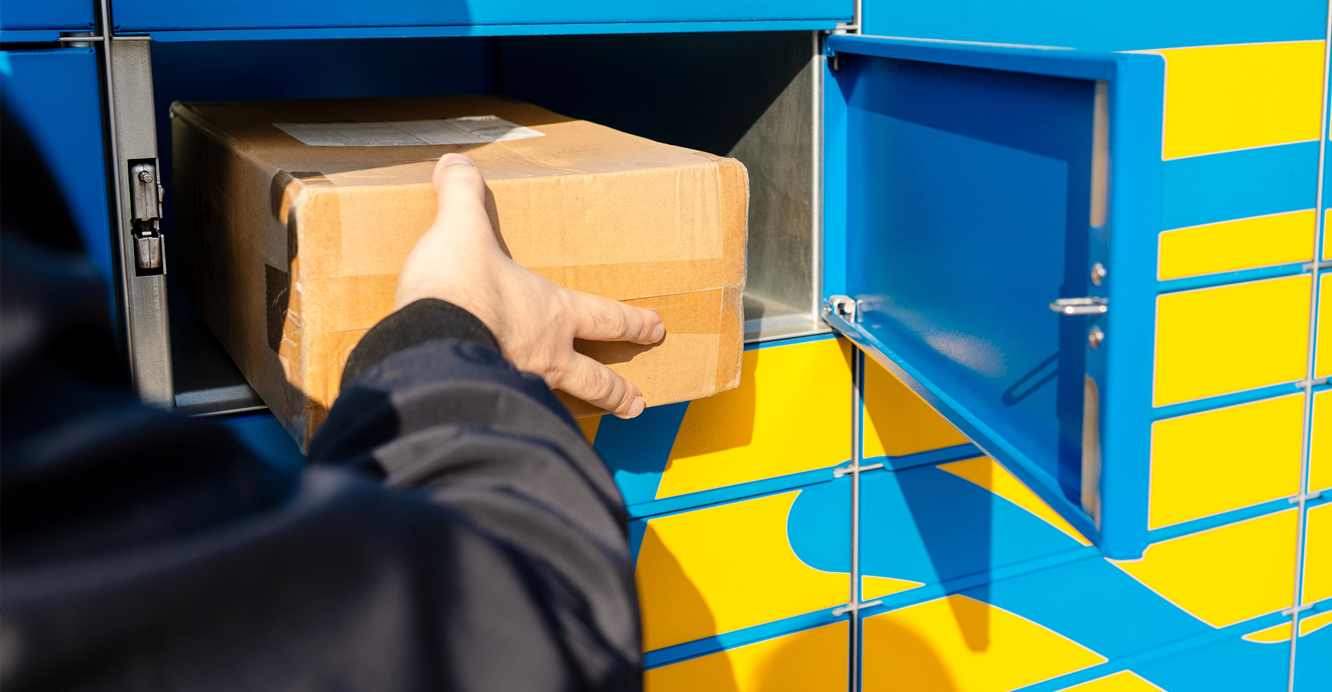
Parcel pickup is a clear example. What started as a side experiment has grown into an everyday expectation. Customers ordering online want simple, safe places to pick up their packages, and convenience stores are perfectly positioned to deliver. Hosting a parcel locker or acting as a pick-up point requires little daily involvement from staff once the system is set up, but it steadily brings people through the door. And that matters, because customers rarely stop in just to grab a box. They buy a drink, grab a snack, and fill their tank. The service becomes a traffic driver disguised as a utility. In smaller markets, especially, being the go-to spot for parcel pickup helps a store become more embedded in the community, with the added bonus of rental or commission income from the locker itself.
ATMs and payment kiosks play a similar role. Even in a world dominated by mobile wallets, there is still a demand for cash and bill payments. The machines don’t take much space, they require little staff attention, and they quietly churn out transaction fees. For operators, the real advantage is that they add usefulness to the store without taking much away. Customers appreciate having a reliable, well-placed ATM or bill-pay option, and those small conveniences often tip the decision to visit your location instead of someone else’s. In rural areas or neighborhoods with limited banking access, the impact is even greater. A steady trickle of transactions might not seem impressive, but month after month, those fees and the incremental purchases they drive add up to a meaningful piece of revenue.
Some operators are also finding that offering notary services or digital notarization gives them a surprising edge. Regulations vary by state, but in markets where it’s permitted, a store that provides notary service often attracts people who would otherwise drive across town to a bank or legal office. It doesn’t require a major build-out, only a licensed notary and a quiet space, but it delivers a service that many customers desperately need. For owners, it means positioning the store as a hub of community trust, a place where legal or financial documents can be handled quickly while also capturing incidental sales. As more states expand remote online notarization, this is only becoming easier for independents to adopt. What was once a niche add-on is quickly moving into the mainstream of community convenience.
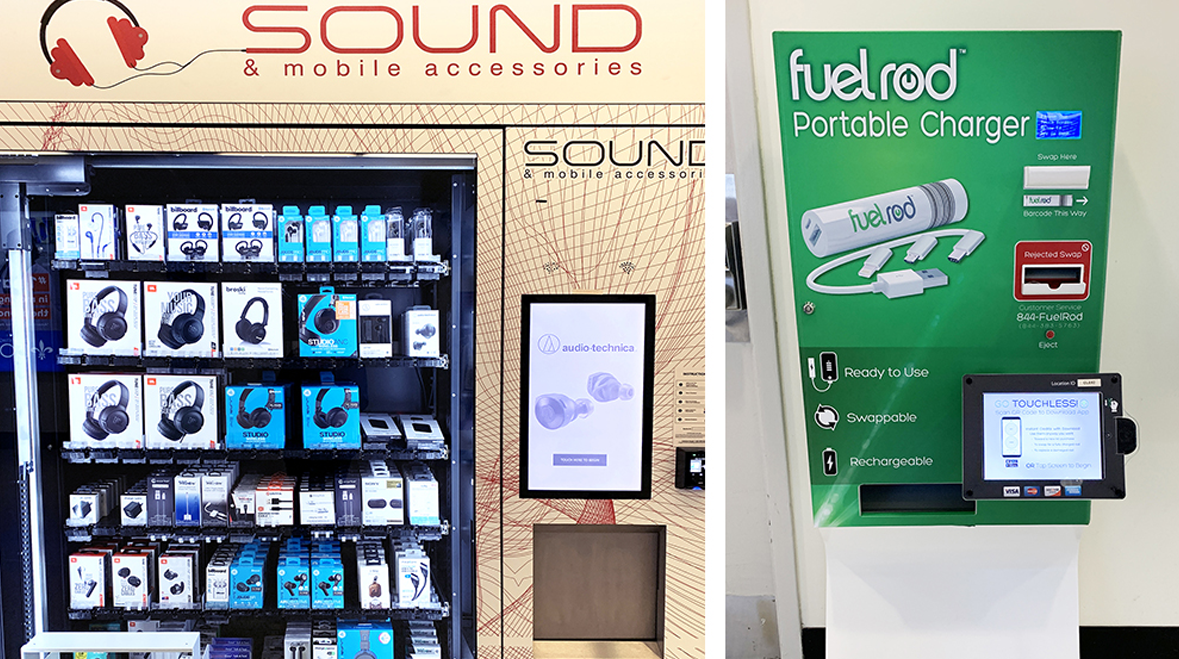
Telecom kiosks and device accessory stations are another area where stores can generate revenue without incurring significant investment. Customers frequently need a phone charger, a pair of headphones, or a SIM card, and they expect to find them in a convenience environment. By dedicating space to a simple kiosk or a vendor-supported accessory display, owners can capture impulse purchases with high margins. Some vendors even manage the kiosk directly, supplying inventory and maintaining it while the store collects rent or commission. It is the kind of add-on that doesn’t require new labor or systems, but it visibly expands what the store can offer, reinforcing its role as a one-stop solution for everyday needs.
Buy-online, pick-up-in-store programs are also growing, even among smaller retailers. Customers have become accustomed to ordering ahead, paying digitally, and picking up on their own schedule. Large chains normalized the practice, but independents are discovering that scaled-down versions work too. Sometimes it’s as simple as a phone order and a bag waiting at the counter. Other times, it involves a basic integration with an app or text system. Either way, the service gives customers more control and reduces the chance they walk away because an item is out of stock. It also drives repeat traffic, as customers who plan their pickups around regular items, such as beverages or snacks, often return week after week.
The range of possible services doesn’t end there. In some communities, photo and printing kiosks are quietly profitable, especially in rural markets where other options are scarce. Some operators have experimented with local ticket sales or community service partnerships, such as utility bill payment or small postal outlets, and discovered that these not only generate additional revenue but also embed the store deeper into daily life. What connects all of these is not just the income they produce directly, but the way they pull people in and give them a reason to think of the store as more than a fuel stop.

The stores that succeed with these services are careful about how they roll out these services. They don’t throw money at every idea. They pick what fits their location and their customers. A rural highway store may benefit more from parcel lockers and ATMs than from digital notarization. A suburban commuter store might win with BOPIS programs and telecom accessories. The lesson is that services should align with the rhythms of the community and be executed reliably. Nothing undermines trust faster than a broken ATM, an out-of-service kiosk, or a package pickup system that doesn’t work. Cleanliness, signage, lighting, and staff awareness all play a crucial role. A service is only valuable when customers know it’s there and trust it will work every time.
These services offer something important: resilience. They diversify income, they attract different customer groups, and they create repeat patterns of visits that aren’t tied to pump prices or fuel demand. And they don’t always require massive capital or risky bets. Many can be launched through vendor partnerships, revenue-share models, or modest upfront investment. They are not magic bullets, but they are practical tools.
Newsletter
Stay Informed with
Top Headlines
Category







Insights and trends shaping U.S. convenience retail.
Content is provided for informational purposes only and does not constitute legal, financial, or professional advice.