
Technology in Everything
Technology can feel like a blessing and a burden for today’s convenience store owner. With so many tools on the market and promises flying in from every angle, it’s easy to wonder what’s truly worth your time, money, and energy. But technology isn’t just a nice-to-have anymore; it’s becoming a matter of survival. What was once considered an upgrade is now an essential part of staying competitive, especially for independent operators who need every edge they can get. The difference now is that many of these tools are finally living up to their promise. They’re faster to install, easier to use, and often pay for themselves when deployed with intention.
Across the board, store owners are reporting stronger returns from investments in digital tools than they did even two years ago. And it’s not just large operators; independents with one or two locations are adopting smarter systems that help track inventory, improve checkout times, reduce shrink, and enhance customer experience without overcomplicating things. The key is alignment. When the technology matches the scale and needs of your operation and is supported by staff training and regular use, it becomes a multiplier. That’s the kind of investment that works hard for you, even when you’re not on-site.
Let’s start with the cornerstone of most convenience store operations: the point-of-sale system. In the past, POS was little more than a digital cash register, handling transactions and maybe a few basic reports. Today, it’s the heart of real-time visibility. Modern POS platforms allow you to drill into sales by item, hour, and category. They can flag suspicious behavior like repeated voids or refunds. Some systems are now linked to smart video platforms that tie footage directly to individual transactions, allowing store owners to investigate discrepancies with full context. This integration has led to significant reductions in internal theft and has helped isolate training gaps that were causing cashier errors.
Inventory tools have also made meaningful gains. It’s no longer about simply counting what’s on the shelf. Smarter systems can now forecast demand, suggest restocks, and even recommend markdown timing based on sell-through rates and expiration dates. These are especially useful in foodservice and fresh product categories where shelf life is short and margins are tighter. In several recent studies, stores using predictive inventory tools reported a reduction of up to 40 percent in food waste. That kind of waste reduction doesn’t just save you product, it reduces labor, trash haul-off costs, and customer disappointment when key items are out of stock.

Equipment monitoring has quietly become one of the most effective ways to prevent profit leaks. Stores that install temperature and energy sensors on their refrigeration and freezer units can track performance around the clock. These sensors detect things like doors being left open, compressors cycling too frequently, or temps creeping into unsafe zones. One store in Georgia installed these sensors and realized that their ice cream freezer had been underperforming for over a month, resulting in both lost sales and higher power bills. After fixing the compressor and adjusting the thermostat, they not only saved energy, but they also avoided losing an entire shipment of product. These types of stories are becoming more common as store owners realize they don’t have to be physically present to know something’s wrong.
Self-checkout has also evolved significantly. What once felt like a big box feature with high risk is now more accessible and secure. Advances in AI and computer vision have made it easier to verify product identity, limit theft, and reduce the friction customers feel when checking out on their own. One Southeastern chain rolled out compact self-checkout stations and saw customer wait times cut in half. That same rollout allowed them to shift one employee per shift from register duty to customer service and food prep, both of which increased average ticket sizes. For stores in tourist-heavy areas, highway corridors, or busy city intersections, the speed factor alone is often worth the investment.
Loyalty tools are also having a quiet resurgence. But not in the old punch-card format. Today’s loyalty programs are digital, lightweight, and often require nothing more than a phone number and a QR code. Some tie directly into your POS and automatically track purchases, giving you the ability to send personalized offers based on past buying behavior. In the Southeast, energy drinks and breakfast items are two of the top-performing bundled categories in loyalty campaigns. One operator running a simple “buy three, get one free” campaign on functional drinks saw their average weekly units in that category jump by 26 percent. The trick is making it easy. No apps to download. No hoops to jump through. Just relevant rewards delivered smoothly.
Let’s also talk about digital signage. While many operators still use paper signs or static menu boards, stores that have made the switch to digital displays are reporting higher customer engagement and more flexibility in promotions. These signs can change throughout the day to highlight breakfast in the morning, snacks in the afternoon, and frozen drinks in the evening. They can also be used to showcase limited-time offers, local products, or even livestream lottery jackpots or social feeds. One store near Atlanta began using a 43-inch screen by their coffee station and saw a 15 percent lift in breakfast sandwich sales within two weeks. The screen simply rotated through combos, pricing, and lifestyle images showing people enjoying their meals in-store.
Even tools that operated behind the scenes, like staff scheduling platforms, are becoming surprisingly effective. With labor costs rising and staff availability tightening, scheduling platforms that use sales forecasts and local event data can help you staff more efficiently. If you know your Tuesday afternoons are slow but your Friday evenings surge, you can reduce unnecessary hours and avoid being short-staffed during critical windows.
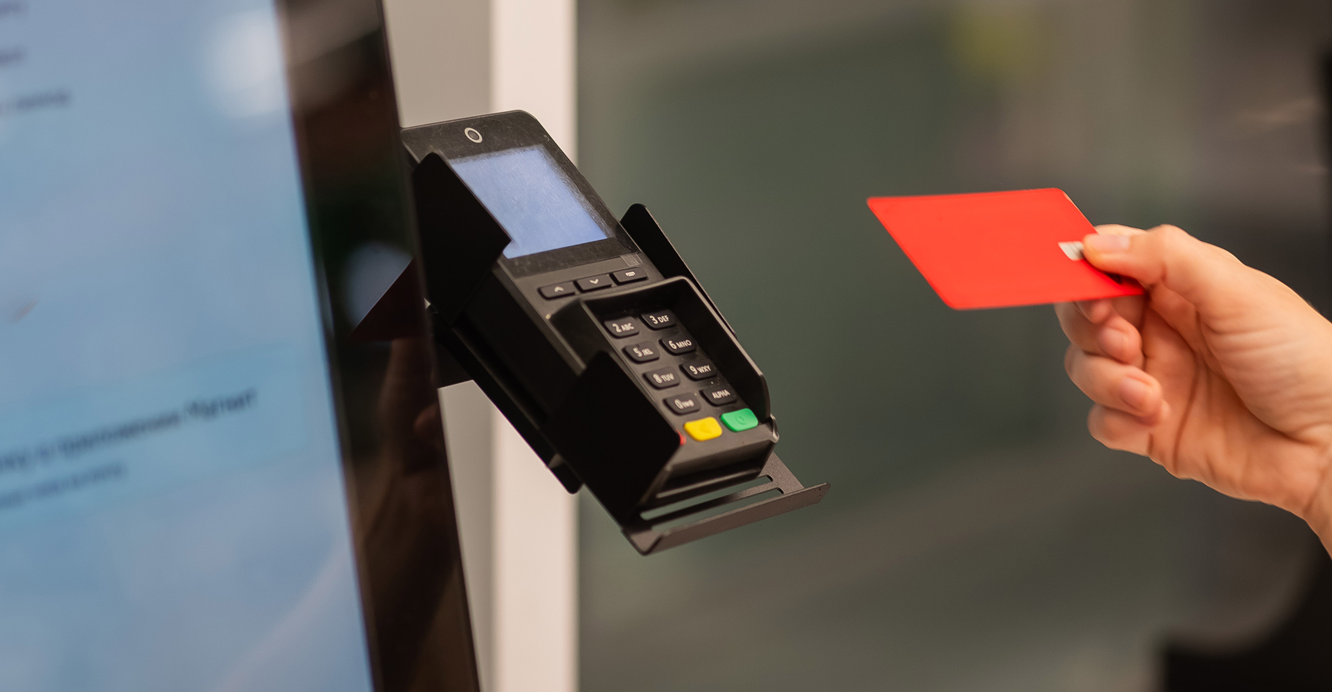
Payments technology is another area where expectations have shifted. Customers now expect contactless options to be available. Tap-to-pay, mobile wallet, and QR-based systems have gone from fringe to expected. If your payment terminals can’t handle these options quickly and smoothly, customers notice and often don’t come back. A survey conducted earlier this year found that more than 60 percent of Gen Z and millennial consumers in the Southeast will leave a store if contactless isn’t available or takes too long. That’s not a small group. For many operators, simply updating payment terminals and ensuring fast transaction speeds has become a priority, not a luxury.
Sustainability tech is also gaining traction, though quietly. LED lighting upgrades, programmable thermostats, water-saving bathroom fixtures, and even smart power strips are all tools that reduce energy and utility bills over time. The return may not feel dramatic on day one, but these tools deliver over months and years. Some states now offer rebates for energy-efficient upgrades, and many utilities will assist with audits or incentives. For stores that operate in older buildings or high-heat zones like Georgia, Florida, and South Carolina, shaving 5 to 10 percent off a power bill month after month adds up fast.
What makes all of this more effective is integration. The stores that see the best returns are not always the ones with the flashiest gear, but the ones where the tools are connected, well maintained, and actually used. Data is reviewed, acted upon, and shared with staff. Training is consistent, alerts are not ignored, and promotions are updated. Consistency, more than the brand of the tool, is what drives success.
One of the most powerful outcomes of good technology adoption is time saved. When your systems handle the repetitive work, you and your team can focus on what matters. You’re not buried in spreadsheets trying to guess what went wrong last week. You’re not scrambling to manually count inventory. You’re not waiting in the back for a cooler to fail again. You have more bandwidth to focus on customers, train your staff, or simply take a breath.
Share:
Newsletter
Stay Informed with
Top Headlines
Category




Insights and trends shaping U.S. convenience retail.
Content is provided for informational purposes only and does not constitute legal, financial, or professional advice.