

Leadership in Lean Times
Running a convenience store in 2025 means balancing on a razor's edge between margin pressures and opportunity. Owners face rising costs for labor, utilities, and supplies, and still must meet customer expectations for speed, freshness, and friendliness. When budgets are tight, it is tempting to think the only solution is to cut costs by reducing investment in people. But more and more stores are proving that leadership and culture are not expenses; they are investments with measurable returns. When you treat your team as part of the business identity rather than a cost center, when you provide leadership that inspires loyalty, when you redefine roles, mentor, reward, and share success, your store’s performance improves.
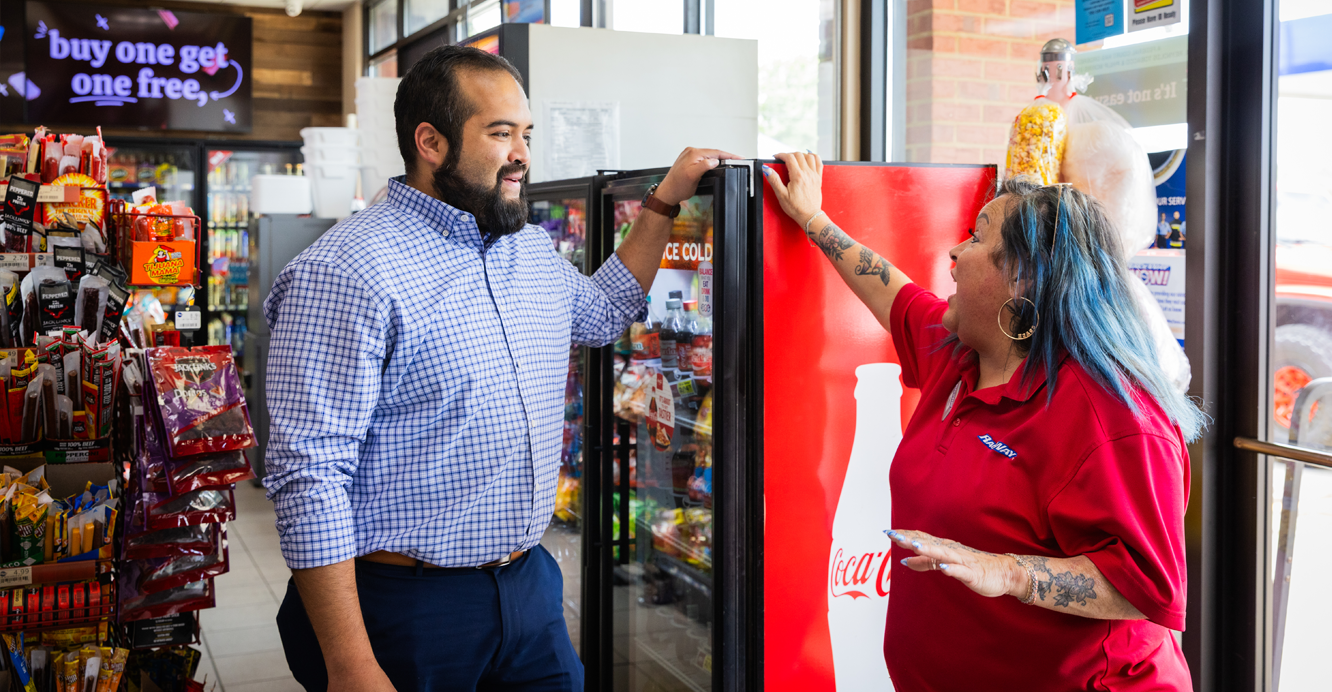
Employee retention has been a persistent issue in the convenience store world. Turnover rates are high. Many stores have annualized turnover above 100 percent for hourly staff, especially where competition for labor is intense. Some of the turnover relates to pay, hours, or conditions. But other causes are more deeply rooted in culture, leadership, recognition, clarity of role, and opportunity for growth. According to a recent piece from CStoreThrive, stores that focus on culture building, flexible scheduling, competitive pay, clear development paths, and regular feedback reduce turnover by 30 to 40 percent in their first year of focused effort.
One strategy that seems simple but moves the needle is defining what you expect from your team and communicating that clearly and often. It means having conversations early with new staff members about what service, behavior, and performance mean at your store, rather than assuming they intuit those expectations. Regular check-ins, mentoring, peer feedback, and visibly celebrating when someone meets or exceeds expectations are crucial. When staff can see what good looks like and understand what is valued, they tend to feel more confident and more rooted in their roles.
A growing number of stores are experimenting with flexible scheduling and work arrangements to support their team’s lives. For many employees, having predictable schedules, advance notice, or the ability to adjust around family responsibilities or second jobs matters deeply. One study noted that stores using predictive scheduling software and giving two‑week advance notice to staff see fewer voluntary departures. Flexibility in scheduling is one path to making the job feel less burdensome.
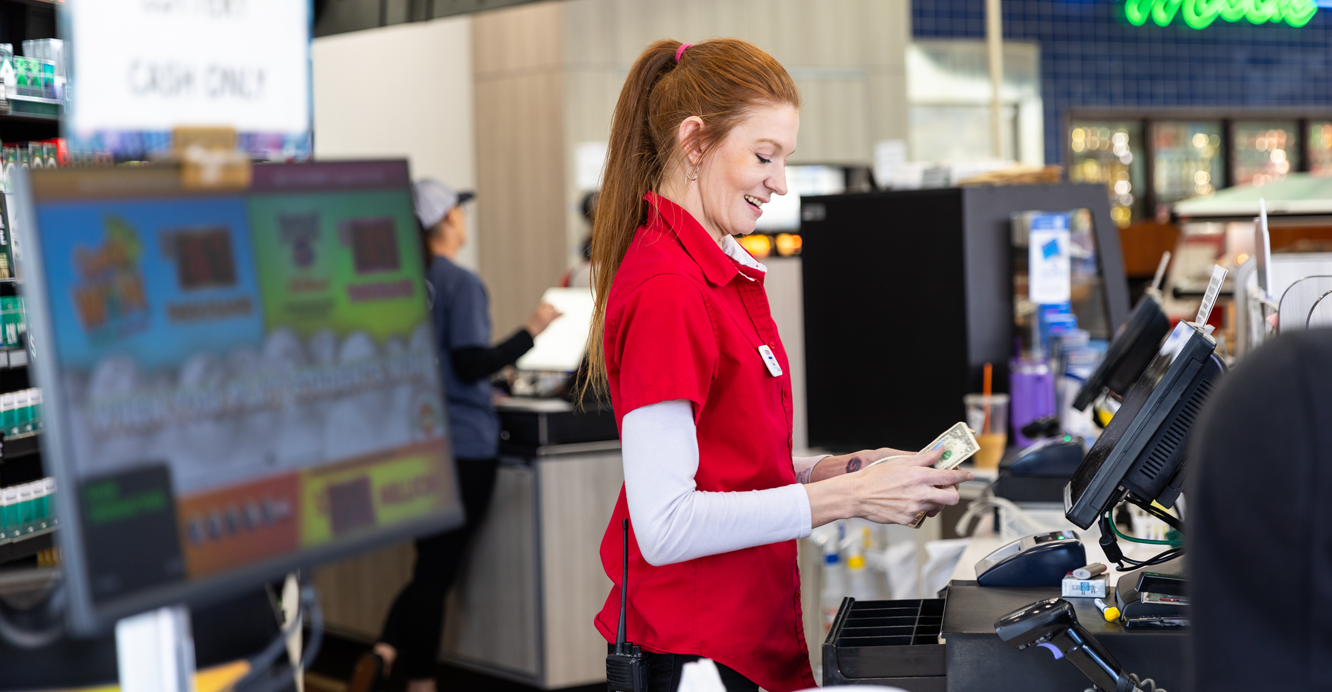
Incentives of various kinds have been revived and refined. Some stores are tying bonuses to measurable metrics like customer satisfaction, inventory accuracy, shrink levels, or retention itself. For example, one store chain gives quarterly bonuses when retention targets are met. When employees see that doing a good job in reliable ways yields a reward, motivation increases. Pay increases tied to performance reviews more than once a year also help. Dash In convenience stores changed their review frequency to twice a year and gave small raises at each review, which together added up to meaningful increases. Helping staff feel seen and valued for their contributions and improvements.
Mentorship and internal growth are also key components of what many successful stores are implementing. They identify high potential among their staff, give that person increased responsibility, train them, and show a pathway to supervisor or manager roles. Promoting from within fosters loyalty and reduces the costs associated with hiring and training. It changes mindsets: staff no longer view their current position as just temporary. One survey of convenience store operators found that stores with mentorship programs saw both lower turnover and higher customer satisfaction. Employees in those stores reported feeling more empowered to take initiative. When leadership invests time in developing their staff, that staff returns the investment by taking ownership of their role, caring for customers, and doing a little extra when needed.
Role redefinition shows up in more than promotions. It means giving staff a voice, letting them contribute ideas, and recognizing their contributions outside of sales metrics. It may involve enlisting them in decisions about product displays, the flow of traffic in the store, or which products to promote. When people feel they have a say, they tend to feel more responsible. This contributes to better service, improved upkeep, fewer errors, and greater consistency. Many store owners report that staff who participate in “small improvements” projects, like reorganizing cooler layout or reassigning restocking responsibilities, take more pride in their jobs and stay longer.
Profit sharing is emerging as a powerful tool in tight times. When employees share in the business's gains, they feel more connected to the outcomes. According to Payscale research, profit sharing increases employee engagement and retention across many industries. Stores adopting profit sharing experience fewer departures and improved morale. For convenience stores, profit sharing may take many forms, including quarterly bonuses when store profit targets are met, extra commissions on upsells, a small percentage of net profit distributed among staff, or profit sharing tied to specific metrics such as foodservice margin or shrink reduction.
Owners are also experimenting with profit sharing paired with non‑cash recognition. Some stores create “team profit pools,” where a portion of the profit beyond a threshold is shared among staff if customer satisfaction, shrinkage, or service metrics are met. Other stores incorporate peer‑nominated awards, where staff recognize someone for going above and beyond, paired with small cash or gift incentives. These combined approaches reinforce culture and signal value without breaking tight budgets.
One of the traps to avoid is implementing profit sharing without clarity. If staff do not understand exactly how profit is calculated, how targets are measured, or why some months may yield little or no bonus, then disillusionment follows. Transparency about finances, regular updates, conversations about performance, and how individual efforts contribute to the larger picture are necessary so that profit sharing reinforces rather than disappoints.
Engagement rituals beyond pay or incentives matter too. Some stores are introducing daily or weekly rituals: brief team huddles before opening to align priorities, highlight wins from the previous day, report issues, and brainstorm small solutions. That kind of regular communication helps build cohesion so that team members see they are solving problems together rather than each shift being isolated. Recognizing staff publicly for good work in front of peers, giving small rewards like a favorite snack or a custom thank‑you note, celebrating work anniversaries, or achieving retention goals all contribute to a sense of belonging. In a business where staff often work early mornings, late nights, and irregular hours, these rituals provide a sense of meaning and shared purpose.
Special attention to the working environment, tools, and support also shows up in stores with stronger retention. Clean break rooms, sufficient supplies, functioning equipment, clarity in roles, consistent scheduling, safe and respectful treatment all factor together. When employees feel disrespected, overlooked, or hampered by broken equipment or workflow obstacles, motivation slips. On the other hand, when leadership addresses issues visibly, staff respond. For example, ensuring coolers are clean, replacing worn-out mats, providing staff with the necessary resources to do the job well, and acknowledging when equipment issues are causing extra work are small acts with a big impact.
Training and development show strong returns. Stores that provide training on customer service, food safety, product knowledge, cross‑training in multiple roles, and refresher training show lower error rates, fewer customer complaints, and higher staff confidence. Cross‑training is especially helpful when foot traffic or staff availability fluctuates. Employees who can shift between cashier, food prep, restocking, or even shift management are more valuable and less prone to burnout. Cross‑training also helps stores maintain service in unpredictable periods. It is a hedge against absence or turnover. Another cultural factor is ownership of problems. When leadership treats problems not as blame but as opportunity, staff are more likely to surface issues early rather than allow them to fester. Leaders who welcome feedback and act on it gain trust. Trust shows in greater effort, more consistent performance, and lower attrition. It matters more than many realize: an apology or acknowledging that you heard a concern often restores motivation far more than a small raise that was never announced.
Staffing trends show improvement in many markets, though challenges remain. Some c‑store retailers report that hiring is getting easier as unemployment rates fluctuate and competition for front-line labor softens in certain rural or smaller markets. Yet retention remains the harder task. Stores that prioritize culture, leadership, and inclusion tend to outperform. Data from NACS and workforce surveys indicate that stores with high recognition, clear career paths, and incentives are more likely to meet growth goals and maintain margin even when margin pressures squeeze fuel and CPG categories.
Owners also strive to align leadership actions with their visible values. It is one thing to say “customer always matters” or “teamwork is important,” but another to show it visibly. A manager cleaning floors when no one else is there, or helping staff during the rush, or staying late to resolve a customer or supplier issue. Leaders who model desired behaviors set tone and credibility. Staff notice when values are consistent and when they are not. The gap between what leadership says and what leadership does often becomes a morale issue if left unaddressed.
What starts small often scales. A store may begin with recognition rituals, such as “Employee of the Week” or “Store Champion” shout-outs, and expand to storytelling about staff achievements, sharing metrics at meetings, creating a small budget for staff suggestions, profit sharing, or performance bonuses, or even opening discussions about next roles for experienced team members. Over time, these build identity.
When budgets are tight, the temptation is to cut costs like staff hours, benefits, or perks. That can quickly erode morale because those are heavily symbolic. Simple actions such as offering an extra break, being flexible on shift swaps, paying small bonuses for attendance or performance, giving paid time off for celebrating personal events matter. These things might not cost much personally, but they show respect, value, and care, and often pay back in loyalty, improved service, fewer mistakes, and lower turnover.
When you focus on leadership, culture, development, and recognition, you create environments where teams stay, customers notice service excellence, and operations run smoothly. In lean times, culture becomes not an expense but a differentiator. For owners seeking to preserve margin and grow amid pressure, investing in people in these ways often yields returns that are more reliable and more sustainable than chasing the lowest supplier cost or cheapest promotion.
Newsletter
Stay Informed with
Top Headlines
Category








Insights and trends shaping U.S. convenience retail.
Content is provided for informational purposes only and does not constitute legal, financial, or professional advice.