
What’s Accelerating This Year?
So far this year, many convenience store operators have begun to shift gears. They are finding that some promising strategies implemented just a year ago are now showing up in the bottom line. There are numerous profit drivers, including foodservice combos, private-label beverages, loyalty programs, and localized partnerships. Stores that lean into these are seeing profit gains. But none of these wins happen by accident. What they share is a mix of knowing what customers want, executing with discipline, and choosing priorities rather than spreading thin. Let’s look at what’s accelerating this year, how it’s working, and what you can replicate in your store to get results fast.
Foodservice Combos with Strong Margins
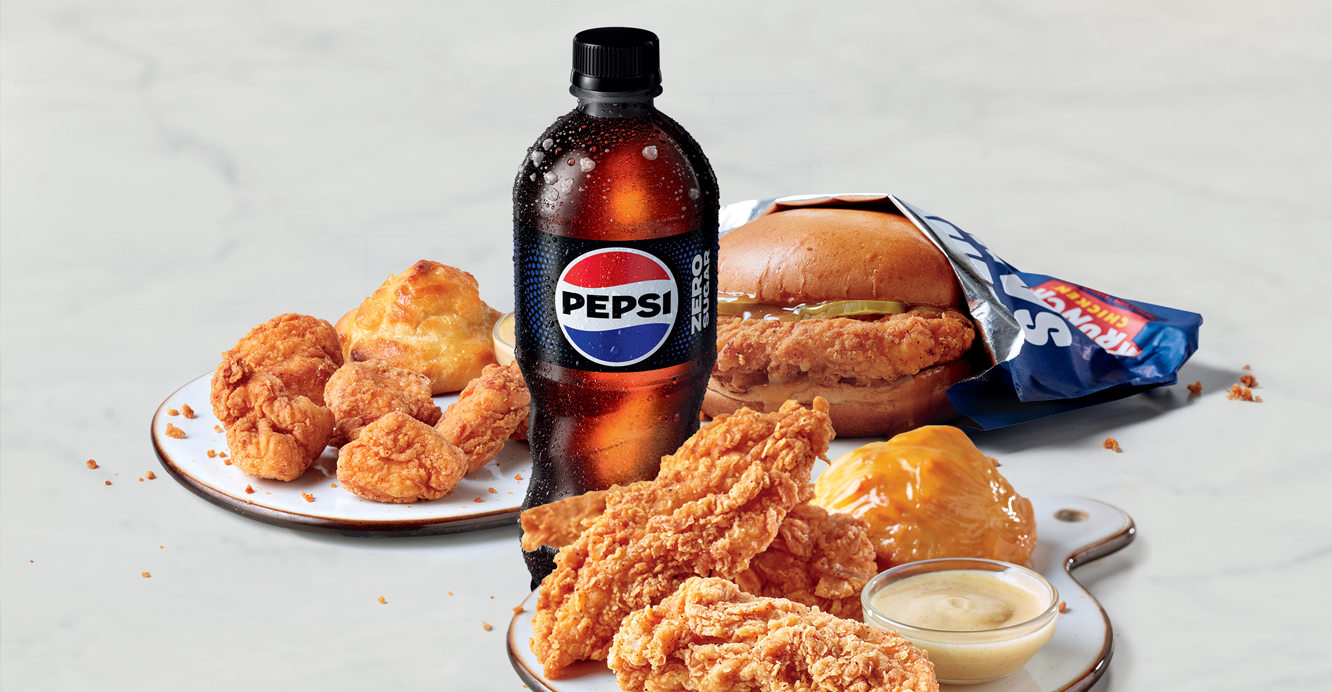
One of the clearest accelerators of 2025 has been foodservice combos. When done well, these combos are freeing up margin while giving customers value. According to recent data from Petrosoft, many convenience stores report an inside gross margin of over 50 percent on foodservice offerings once costs are controlled and waste is minimized. At the same time, foodservice as a category is not only growing but becoming a larger share of both in‑store sales and gross margin dollars. In the U.S., foodservice accounted for 27.7% of in‑store sales in 2024 and represented 38.6% of in‑store gross margin dollars. Prepared food alone accounted for nearly 73% of foodservice sales during the same period.
Achieving that margin level is not easy, but several factors are helping stores reach it this year. First, customers are demanding more than just speed; they want freshness, flavor, and more customizability. Hot meals, customizable grab‑and-go items, upgraded sandwiches or wraps, and even premium or regional flavor offerings are emerging as strong profit drivers. NielsenIQ reports that demand for fresh, premium prepared items continues to rise among shoppers who want to feel like they are getting a quality meal without the price or wait time of a full restaurant.
Second, combo pricing is working well. Customers respond when price bundles are clear and seem fair. A breakfast combo with coffee, plus a food item, or a meal with a drink in lunch or evening hours, often significantly lifts the average ticket. Stores that couple that with strong visual prompts at the point of sale, or digital signage that calls attention to combo deals, notice a significant increase in customers adding beverages or sides to their purchases. The trick is blending perceived value with profit margin. The cost to produce the combo must be tightly controlled, including portion size, supplier costs, waste, and speed of delivery. Combos that are too generous eat into the margin. Those that skim on quality lose customer trust.
Third, successful stores have invested in infrastructure or operational changes that reduce friction. Faster kitchen layouts, better equipment, cross‑trained staff so food can be prepared even when traffic surges, and technology for order tracking to avoid mistakes. For example, stores that add digital order displays or small point-of-order tablets reduce mistakes in combo assembly and decrease returns or waste. These kinds of investments in execution are what separate combos that add profit from combos that just add labor cost.
Customer behavior has shifted. Shoppers who once popped in for gas or a snack are now treating the convenience store as a place to eat one of their regular meals. Surveys show that a large share of consumers have tried made-to-order meals in convenience stores: 85% in 2024‑2025 in multiple reports. Some stores report that when quality meets expectations, customers return not just for snacks or fuel, but also for breakfast or lunch. That repeated behavior multiplies the win.
Private‑Label Beverages and Value Adds
Private label items are gaining traction this year, especially in beverages. Data shows that while private label accounted for about 4% of unit sales in c‑store beverages a while back, growth in that space is accelerating. Major operators are introducing new store label beverage SKUs, premium flavored drinks, and non-Alcohol beverage alternatives under their own brand. Because private label allows greater control over cost, pricing, and sometimes margins run far above those available in national branded alternatives, stores that execute well here are accelerating profits.
A chain introducing its own iced tea or flavored water under a store brand may have a lower cost per unit, less promotional pressure, and greater pricing flexibility. Many operators combine private-label beverages with promotional bundles or loyalty perks to build trial and repeat usage. Some stores use value for private label as a tool to retain customers who might otherwise shop promotional sales at grocery stores or big‑box retailers.
Private label growth is not without its challenges, though. Ensuring consistent quality, packaging appeal, supply chain reliability, and branding matter more than ever. Customers are comparing premium beverage experiences across channels: if packaging feels cheap or the flavor is off, it hurts more than it has in decades past. However, stores that invest in packaging, taste testing, and presentation are seeing private label beverages not only grow but also become a loyalty lever.
Loyalty Programs and Digital Engagement
Loyalty programs are one of the fastest growing profit drivers this year. When customers feel recognized and rewarded, they return more often. Many stores have upgraded or refined their loyalty offers to tie into foodservice combos or beverage purchases. Personalized offers based on past purchase behavior are becoming common. If a customer frequently buys coffee and a breakfast sandwich, loyalty messaging or mobile offers will reflect that, prompting a combo or side item next time.
Operators that utilize their point-of-sale data to track repeat behavior can create offers such as “Buy three, get one free” or “Spend X and get a discount on your beverage.” These programs cost money but often yield a return in both increased frequency and higher average ticket. Stores also report that delivering loyalty rewards seamlessly (no extra effort at checkout, no confusing process) matters a lot. Friction kills participation. Loyalty tied to digital channels, such as text offers, app notifications, or QR codes, works especially well with younger or tech-savvy customers.
Data also suggests that customers increasingly view c-stores as alternatives to quick-service restaurants in both prepared food and loyalty experiences. One report notes that nearly three-quarters of shoppers in some markets view c‑stores as legitimate QSR alternatives. This shift makes loyalty and engagement more than a marginal strategy. It becomes required for competing in meal occasions.
Localized Product Partnerships
Another growth area accelerating this year is localized product partnerships. Stores are finding that local beverages, locally baked goods, regional snacks, or partnerships with local farms or producers amplify profit when customers perceive uniqueness, authenticity, or freshness. Local products often carry premium pricing because customers believe they are getting something special or different than what they see in national brands.
These partnerships help stores differentiate. In a crowded suburban or highway market, having something local can make a store feel more community‑connected. It encourages customers to choose your store even if the price is slightly higher. It builds loyalty, word of mouth, and sometimes social media engagement. For example, store operators that partner with local coffee roasters or local bakeries use those relationships not only for product but also for storytelling. You might see local origin coffee cups or regional seasonal flavors that are exclusive to your store. The uniqueness helps margin because customers are willing to pay for it.
Some stores use exclusive local products as loss leaders to bring people in, then rely on other high‑margin purchases during the same visit. For instance, a local bakery sample might draw traffic, and those customers then buy beverages or snacks. Local partnerships can also reduce supply chain costs in certain areas when transportation or freight costs are high. When local goods are sourced regionally, shipping costs drop, freshness improves, spoilage decreases, and margins increase.
Beverage Innovation & Flavor Trends
Beverages remain a powerhouse for driving profit growth. The non-Alcohol beverage segment has seen significant innovation in flavors, packaging, functionality, and value. Fruit‑forward drinks, sparkling tea, enhanced water, and wellness trends have shown strength. One recent column reported that, in nonalcoholic beverages, there was a 10.7% year-over-year rise in innovative-style drinks through late 2024. When innovation aligns with what customers are seeking—taste, ingredients, health cues, convenience—these new beverages add margin and increase basket ring.
Presentation also matters. New cooler signage, better arrangement, premium packaging, freshness cues, and offering cold brew coffee or functional hydration near foodservice or high‑traffic zones help. Customers are more likely to try something new if the cooler looks clean, the packaging looks appealing, and the product is visible.
What Makes These Strategies Work Now
All of these profit accelerators share traits. First, they are aligned with changing consumer behavior. In 2025, customers have higher expectations, particularly in terms of food and beverage quality, speed, and variety. Inflation has made value more important, but value is now about perceived value, not just the lowest cost. Customers will pay more if they believe they are getting quality, flavor, freshness, or uniqueness.
Second, the cost-benefit matters. Foodservice combos, private label goods, loyalty programs, and local product partnerships all require margin control. When you manage input costs, supplier costs, portion control, correct pricing, and minimize waste, you deliver substantial returns. Tools such as POS reporting, demand forecasting, and equipment monitoring support these efforts.
Third, execution matters more than scale. A small store with a few kitchen items, a good local partner, and a well-managed loyalty program can achieve a stronger return per square foot than a larger store that tries to do everything and spreads its efforts too thin. Focus, clarity, and consistency produce wins.
Fourth, there is a feedback loop in these strategies. When customers respond well to a new combo or a new private-label product, stores need to adjust. Remove what underperforms and double down on what resonates. When loyalty data indicates that certain items are frequently purchased together, then bundle them and place them together. When a local partner delivers quality, extend the relationship. When beverage innovation succeeds, reorder fast and test more SKUs.
What to Watch Out For
There are risks, of course. Foodservice combinations with high margins often require significant investment, including kitchen equipment, staff training, inventory management, and spoilage control. Private label beverages require quality control, packaging investment, good shelf life, and reliable supply. Loyalty programs require investment in software, staff time, marketing, and good POS integration. Local product partnerships require outreach, relationships, smaller scale production, and sometimes more frequent delivery, which can increase cost.
Competitive pressure is increasing. As more stores adopt new strategies, what was once a differentiator becomes expected. This means margins on some combos or private label items may compress when everyone is trying to compete in the same space. Stores need to watch cost creep carefully. Watch what the customer values. It is easier to lose profit when duplicating someone else’s strategy without differentiation.
Additionally, supply chain disruptions remain a wild card. Inflation for food ingredients, packaging, and transportation can increase costs unexpectedly. Labor availability or wage increases affect both foodservice and operations. Energy costs or utility spikes can eat into premium margin items if they are energy inefficient. All of these mean that acceleration requires attention, not inertia.
Action Steps for Store Owners
If I were advising a store owner who wanted to pursue these profit accelerators right now, I would recommend the following path: Identify one or two accelerators that make sense for your location and customer base. Perhaps your store is located in a busy commuter corridor, making foodservice combos and loyalty programs a sensible option. Or maybe you are out in a smaller town where local product partnerships and beverage innovation deliver uniqueness.
Next test small. Try one high-margin combo, measure the cost, margin, speed, waste. See how it performs in real customer traffic. If it fails, learn quickly and adjust. If customers love it, scale. The same applies to private labeling: select a reputable partner or vendor, ensure packaging is right, create a sample, and promote it.
Make your loyalty program work for you, not against you. Use data you already have. Track what people buy. Offer combos, tie in beverages, reward repeat visits, or repeat purchase of high-margin items. Make participation easy. Communicate clearly.
Do not neglect the operational details. Inventory, supplier relations, packaging, promotions, staffing, and execution are all crucial. Margin gains often disappear when waste, spoilage, or inefficiency slips in. Monitor cooler performance, manage fresh food carefully, review gross margin by category often, and look for hidden cost leaks.
Finally, always listen to your customers. What do they seem to want? What flavors or local choices do they comment on? What are they willing to pay more for, and what do they regard as no different? Your strongest accelerators will be the ones that align with what your customers already value.
Newsletter
Stay Informed with
Top Headlines
Category
Insights and trends shaping U.S. convenience retail.
Content is provided for informational purposes only and does not constitute legal, financial, or professional advice.