If you stand near the counter and just watch, patterns start to emerge in a steady, predictable rhythm. Customers walk in, glance around for a second or two, and then head in a direction almost immediately. Most of the time, they are not browsing, they came in with a purpose.
This is the reality of the convenience store visit. It is not a long shopping trip, it is usually a five minute, or less, stop within a busy day. In this short window of opportunity, every purchasing decision is made.
For operators, it means the store's layout isn’t just about organization, it’s about influence. What customers see first, what they pass on the way to the cooler, and what sits in front of them at the counter all shape what they end up actually buying.
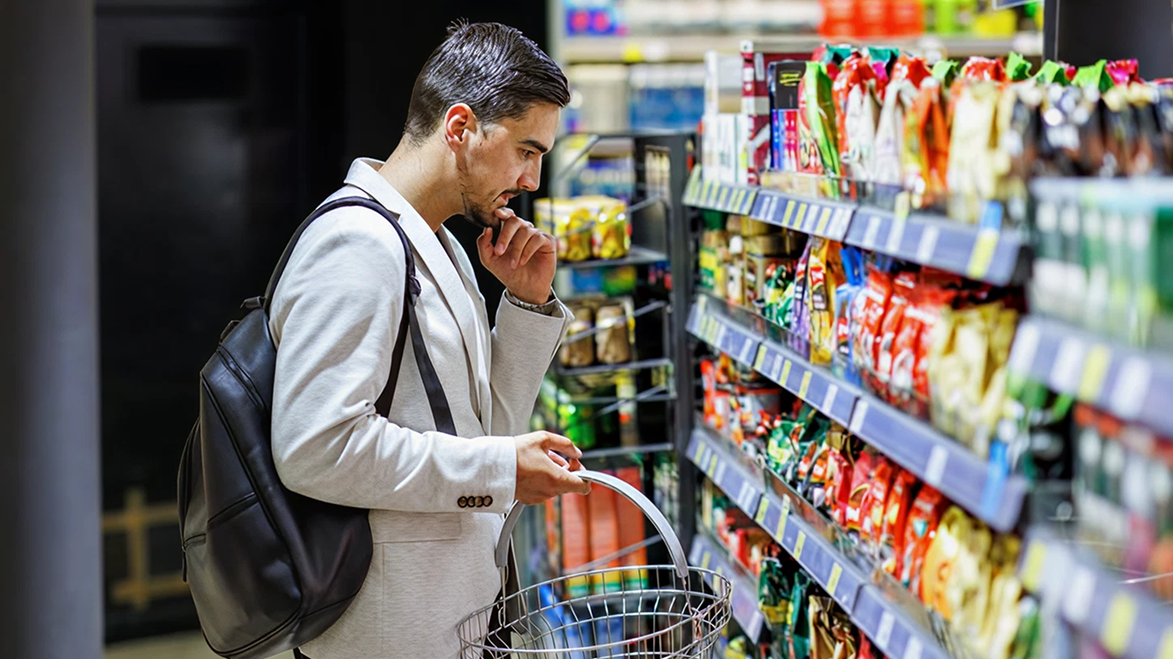
The first few steps inside the store matter more than most people realize. When a customer walks through the door, their eyes adjust quickly, and they take in the space almost instantly. They are deciding how they feel about the store, especially if it is their first time stepping through the door. If it feels clear and easy to navigate, they move comfortably around the floor toward roughly in the direction of why they are there in the first place. If it feels crowded or confusing, they narrow their focus and head straight for a single item and get out as quickly as possible.
The initial gut feeling is what sets the tone for the entire visit. Strong sightlines from the entrance can quietly guide behavior without the customer ever thinking about it. If beverages, fresh food, or high-demand items are visible right away, it begins influencing the purchase before the customer takes more than a few steps.
In many stores, the beverage cooler acts as the main destination.
In many stores, the beverage cooler acts as the main destination. Customers walk in and head straight toward it, often without looking at much else along the way. That path becomes one of the most important areas in the store because it represents the most consistent flow of traffic. Walk that line, literally. Step into your store and head straight to your beverage of choice. What do you see along the way, what catches your eye, both good and bad.
Anything placed along that route is more likely to be noticed. Snacks, candy, and grab-and-go items positioned between the entrance and the cooler naturally benefit from more traffic. When items are placed outside of that path, they rely on customers going out of their way to find them, which happens far less often.
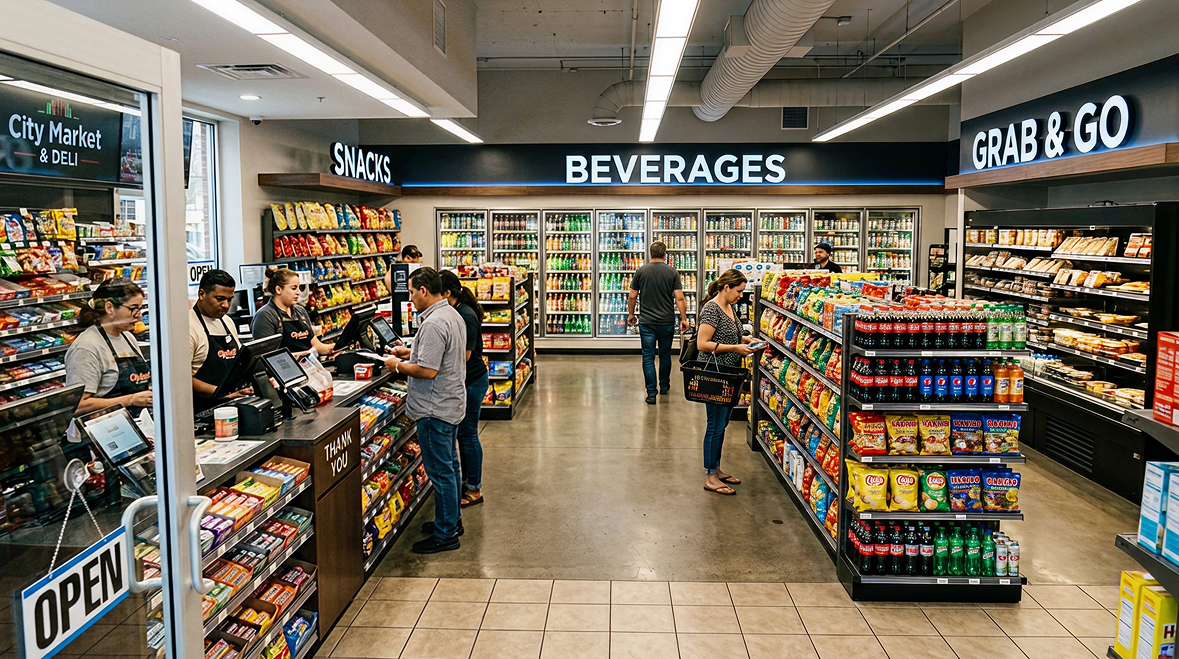
This is where impulse zones begin to matter. These are the areas where customers slow down, pause, or naturally look around. The space near the cooler doors, the coffee station, and, especially, the counter all serve as moments when attention shifts from movement to decision.
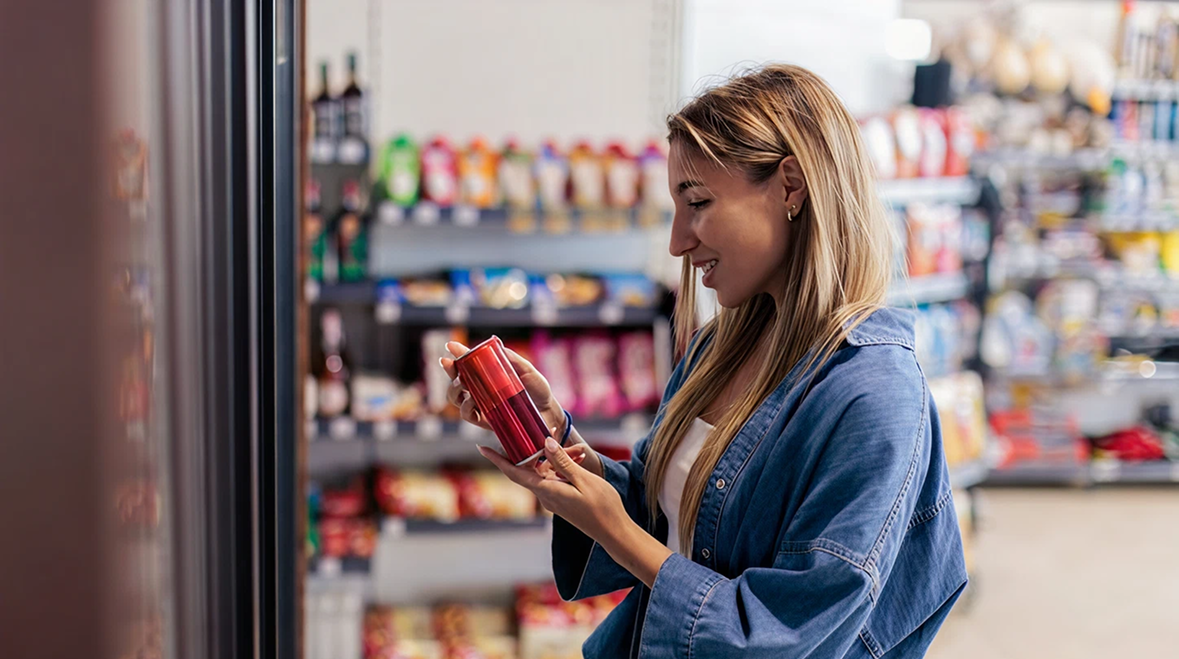
At the cooler, customers are already in a buying mindset. They have committed to making a purchase, and while they are choosing a drink, they are more open to noticing something else nearby. A well-placed snack display next to the cooler can turn a single-item purchase into two without requiring any extra effort from the customer.
The counter creates another important moment. As customers wait to pay, even for a few seconds, their attention shifts again. This is where smaller items like candy, gum, and packaged snacks perform well. These products require little thought, and the short pause before checkout gives them just enough time to catch the customer’s eye.
Prepared food introduces another layer to this behavior. When hot food or fresh items are visible and easy to access, it can interrupt the original plan. A customer who walks in for a drink may decide to grab breakfast or lunch simply because it looks good and is right in front of them.
The key is visibility. If the food is hidden or requires extra steps to reach, most customers will stick to their original plan. If it sits along a natural path or within a clear line of sight, it becomes part of the decision-making process.
Lighting plays a role in all of this, even though customers rarely notice it directly. Bright, even lighting helps customers see products clearly and makes the store feel clean and open. Warmer lighting around food areas can make those products look more appealing. When lighting is inconsistent or dim, it can make parts of the store feel less inviting, which reduces the likelihood that customers will explore beyond what they came for.
One of the most common layout challenges in convenience stores is overcrowding.
One of the most common layout challenges in convenience stores is overcrowding. As new products are added over time, displays begin to fill every available space. While this may seem like a way to increase sales, it often has the opposite effect. When customers are surrounded by too many options, they focus only on what they came to buy and ignore everything else.
When customers are surrounded by too many options, they focus only on what they came to buy and ignore everything else.
A store that feels open and easy to move through encourages customers to notice more. Even small pockets of open space can improve visibility and make displays stand out more clearly.
Operators who want to improve basket size without major renovations often start by walking their own store as if they were a customer. Enter through the front door, follow the most natural path to the cooler, and pay attention to what stands out and what gets missed.
Are the highest margin items placed where customers will see them without effort? Is the path to the cooler lined with products that encourage additional purchases? Does the counter area offer quick, easy add on items?
Small adjustments in these areas can make a noticeable difference. Moving a display just a few feet can change how often it gets seen. Clearing clutter from key sightlines can bring attention back to products that were previously overlooked.
The five-minute stop is not something operators can change. Customers will always move quickly through a convenience store. What can change is what they experience during those few minutes.
What can change is what they experience during those few minutes.
When the store is laid out in a way that matches how customers naturally move, it does more of the selling on its own. Products appear where they should, decisions feel easy, and additional purchases happen without pressure.
In a business built on speed, those small moments of visibility and timing are where the real opportunity lives.
Resource Link
Store design and layout trends in convenience retail
Share:
Newsletter
Stay Informed with
Top Headlines
Category

Insights and trends shaping U.S. convenience retail.
Content is provided for informational purposes only and does not constitute legal, financial, or professional advice.